
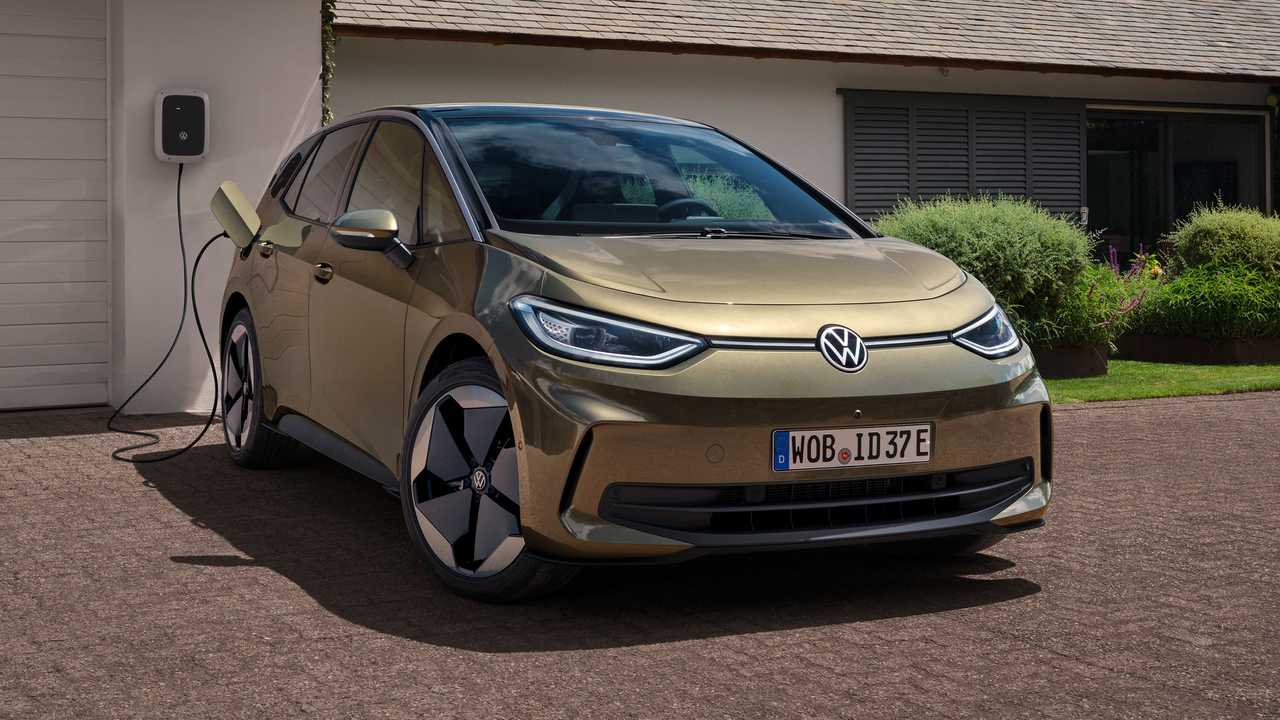


The electric revolution in Europe just hit another gear. In January 2026, battery electric vehicles accounted for 19.7 percent of all new car sales across 32 European markets, up from 16.7 percent a year earlier. That means roughly one in every five cars rolling off dealer lots had no combustion engine whatsoever.
Data from the European Automobile Manufacturers’ Association paints a picture of an accelerating shift. EVs didn’t just grow their own slice of the pie — they outsold plug-in hybrids and diesel vehicles combined. Plug-in hybrids held 10.4 percent of the market while diesels continued their slow death spiral, dropping to a mere 7.2 percent.
Pure gasoline cars slipped to 22.5 percent. Hybrids remain the continent’s favorite powertrain at 38.5 percent, but the trajectory is unmistakable.
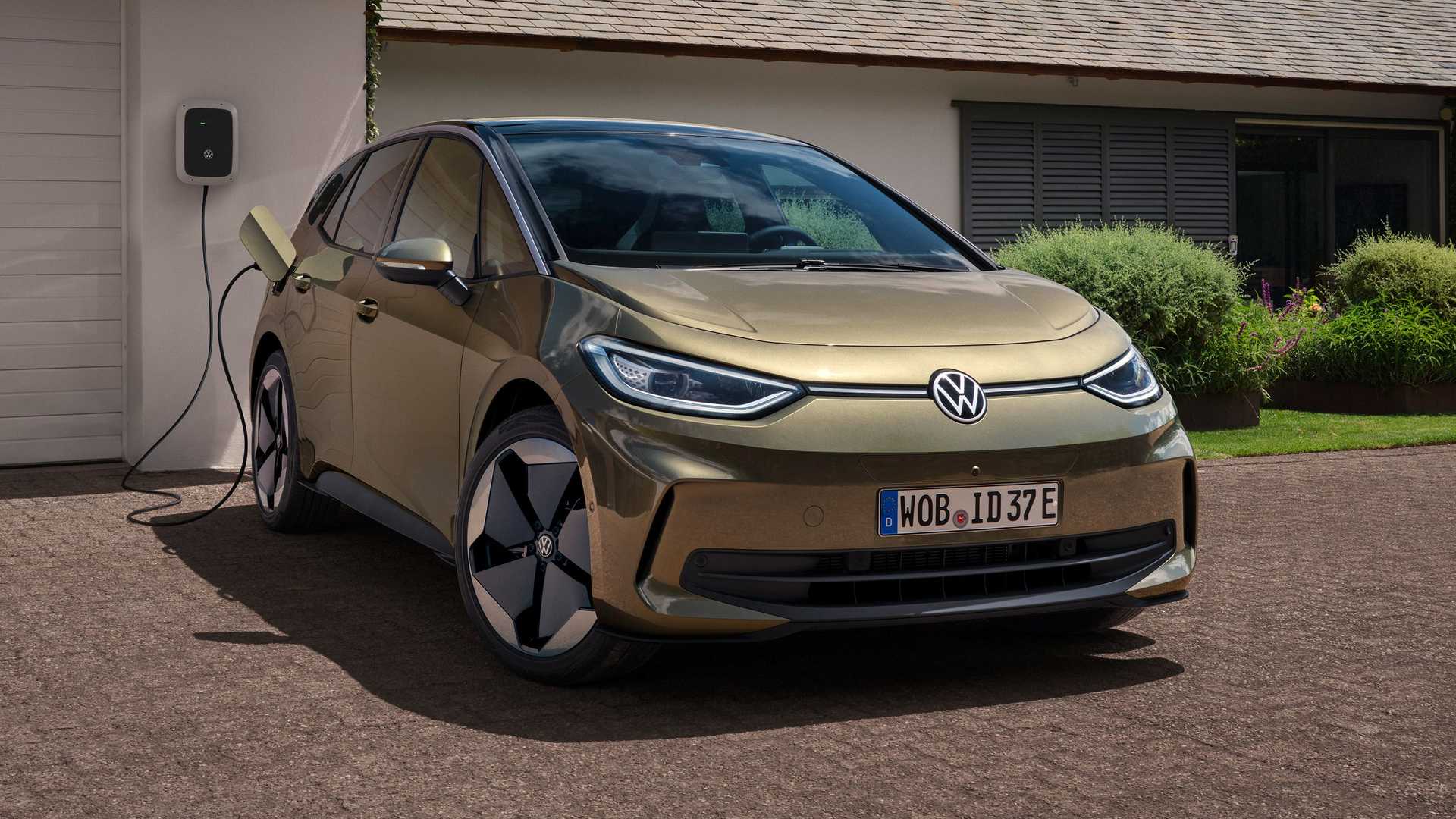
Volkswagen is leading the charge. The Wolfsburg giant recorded 17,230 EV registrations in January, with the ID.3 hatchback moving 5,417 units and the ID.4 crossover and ID.7 sedan nearly tied for second. Renault grabbed the runner-up spot at 14,447 units, with its retro-styled 5 E-Tech accounting for roughly half that volume.
Skoda rounded out the podium at 14,022 units, driven almost entirely by its Elroq crossover, which alone managed 8,426 registrations.
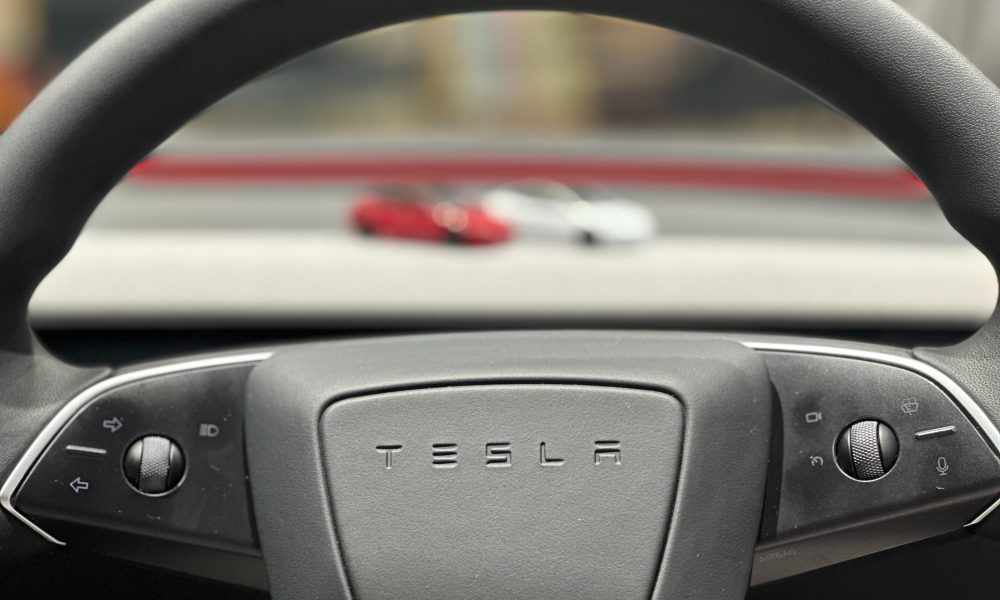
Then there is Tesla, and the story there is a different one entirely. The American automaker registered just 8,075 vehicles across the EU, EFTA nations, and the UK in January — a 17 percent decline from the same month a year ago. This drop came even as the broader EV market surged 14 percent.
The reasons for Tesla’s European slide are stacking up like rush-hour traffic. The lineup feels dated. There is no Full Self-Driving capability available on the continent.
The Cybertruck cannot be legally sold due to pedestrian safety regulations. Quality control complaints persist. And then there is the Elon Musk factor — his political activities and controversial public gestures have turned the brand toxic for a significant chunk of European buyers, particularly in the Nordic countries that were once Tesla strongholds.
Meanwhile, Tesla announced it will wind down production of the Model S and Model X to convert factory space at its Fremont plant into an Optimus robot manufacturing facility. The move raises uncomfortable questions about whether Tesla views itself as a car company at all anymore. It still produces the Model 3 and Model Y, the latter of which remains one of the best-selling vehicles globally, but the product pipeline looks thin compared to what European and Chinese competitors are bringing to market.
The affordable end of the EV spectrum is about to get crowded. The Renault Twingo revival and Volkswagen’s ID.2 are targeting buyers who previously had no electric option in their price range. VW has an even cheaper ID.1 slated for 2027.
Dacia is already selling its Spring for under 16,000 euros before subsidies in Germany, bringing the out-of-pocket cost below 10,000 euros. Chinese brands are pushing hard too, with BYD’s European market share jumping from 0.7 percent to 1.9 percent year over year.
The EU is technically backing away from its outright ban on combustion engines after 2035, but that political shift may be irrelevant if market forces keep doing what they are doing. Automakers still face a 55 percent fleet emissions reduction target by 2030 compared to 2021 levels, and a 90 percent cut by 2035. With cheaper EVs flooding the market and government incentives still flowing, the math increasingly favors electric.
Still, combustion engines powered 80 percent of new cars sold last month. The transition is real, accelerating, and increasingly inevitable. But it is far from over, and who wins the race is very much an open question.
What is becoming clearer by the month is that Tesla, once the undisputed leader, is no longer driving the conversation.
Share this Story