
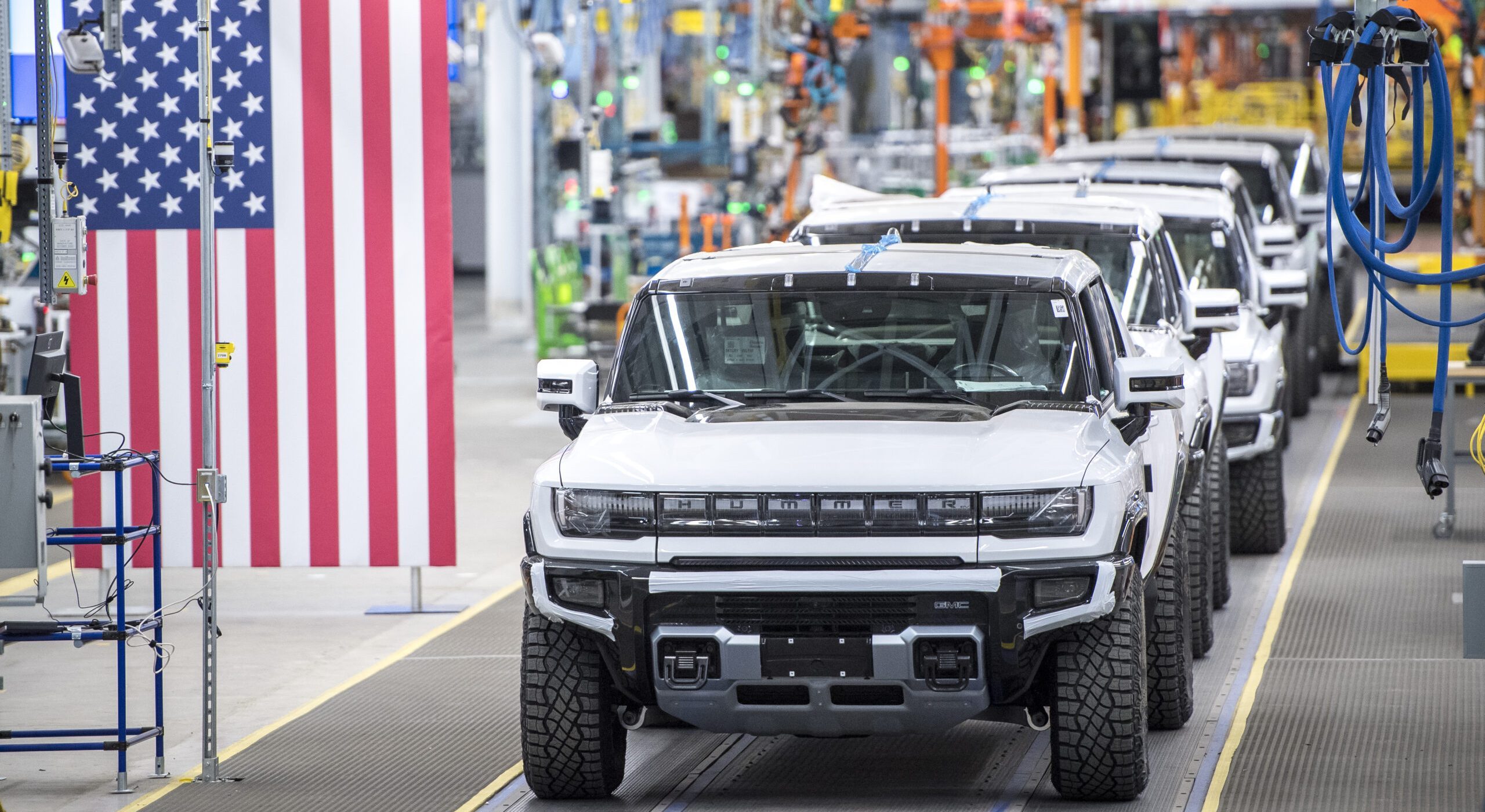


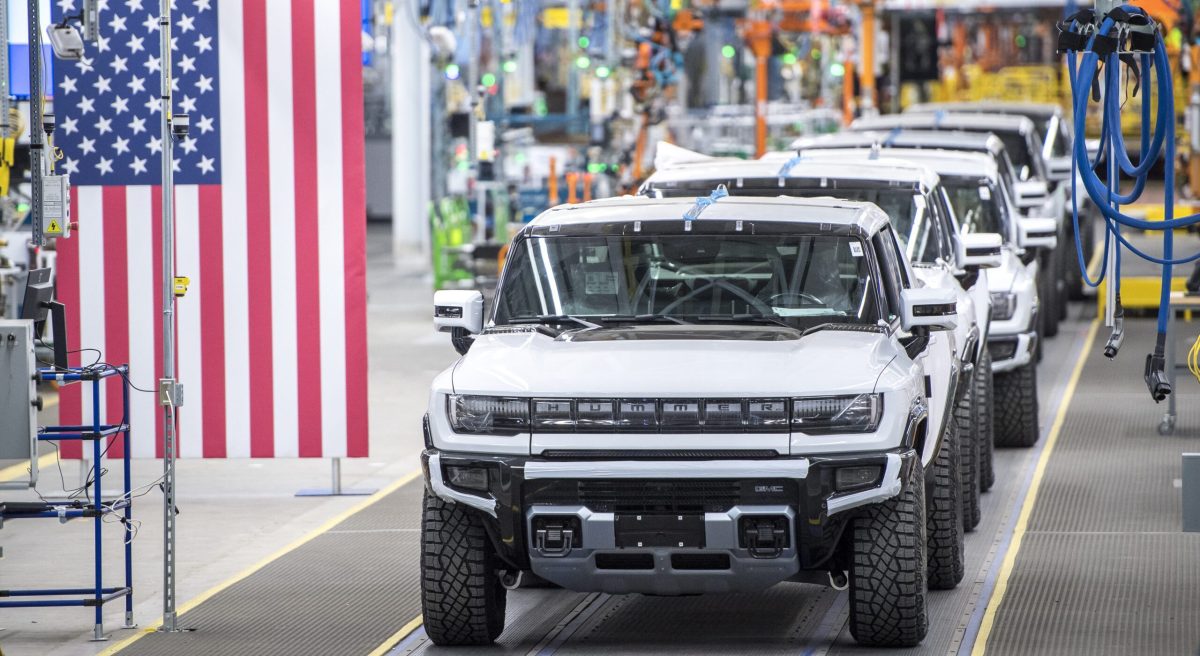
Factory Zero, the plant General Motors spent $2.2 billion converting into the crown jewel of its electric future, has shut down production again. Roughly 1,300 workers have been idled as the company pauses assembly of the Chevrolet Silverado EV, GMC Sierra EV, and GMC Hummer EV.
This isn’t a one-off hiccup. It’s the second major disruption in less than three months. GM had already slashed Factory Zero to a single shift and carried out mass layoffs earlier this year.
The plant, located on Detroit’s east side at the old Hamtramck Assembly site, was supposed to prove GM could lead in electrification. Right now it’s proving something else entirely.
The culprit is demand, or rather, the lack of it. The electric truck and SUV market that GM bet billions on hasn’t materialized at the volume the company needs to justify running the line. The Hummer EV, which debuted with enormous fanfare and a $110,000 price tag, has seen its moment fade.
The Silverado EV and Sierra EV were supposed to carry the torch into higher-volume territory. Buyers aren’t showing up fast enough to keep the lights on.
UAW Local 22 President James Cotton struck a tone somewhere between hopeful and desperate. “I just hope we can bounce back, especially when gas prices are rising,” he said. “I think EVs are the future.” That’s the kind of statement that sounds resolute until you realize the man saying it represents workers who keep getting sent home.
The timing is almost perverse. While Factory Zero sits silent, GM is ramping up production of its heavy-duty trucks, the combustion-powered workhorses that still print money. That decision speaks louder than any sustainability report.
Forecasters are predicting a 6.5 percent decline in first-quarter truck sales, and GM is still pushing more HD units out the door. The calculus is simple: even in a soft market, gas-burning trucks sell. Electric trucks, at least these electric trucks, don’t sell enough.
GM is hardly alone in confronting this math. Toyota said this week that “there are still many areas where people simply cannot get by without gasoline-powered cars.” That’s diplomatic language from a company that has been skeptical of the all-EV rush from the start and now looks vindicated, at least in the near term.
Factory Zero was renamed from Detroit-Hamtramck Assembly in 2020 with great ceremony, the “Zero” a reference to GM’s vision of zero crashes, zero emissions, and zero congestion. Five years later, the most notable zero is production output during idle weeks.
The plant’s repeated shutdowns expose a strategic vulnerability. GM committed enormous capital to a dedicated EV facility rather than building flexibility into existing lines. When demand softens, and in a market buffeted by interest rates, tariff anxiety, and consumer hesitation it has softened, there’s no fallback. You can’t run Tahoes down a line tooled for Ultium-platform trucks.
Cotton’s hope that rising gas prices might push buyers toward EVs has some logic to it. But gas would need to stay painfully high for a sustained period to change the trajectory. Even then, a $75,000 electric Sierra isn’t the obvious answer for a cost-conscious buyer.
GM has not said when Factory Zero will restart. The company hasn’t disclosed inventory levels for its electric trucks either, which tells you most of what you need to know. When the numbers look good, automakers can’t wait to share them.
For now, 1,300 workers wait. The factory that was supposed to represent GM’s tomorrow is, once again, closed today.


Share this Story