
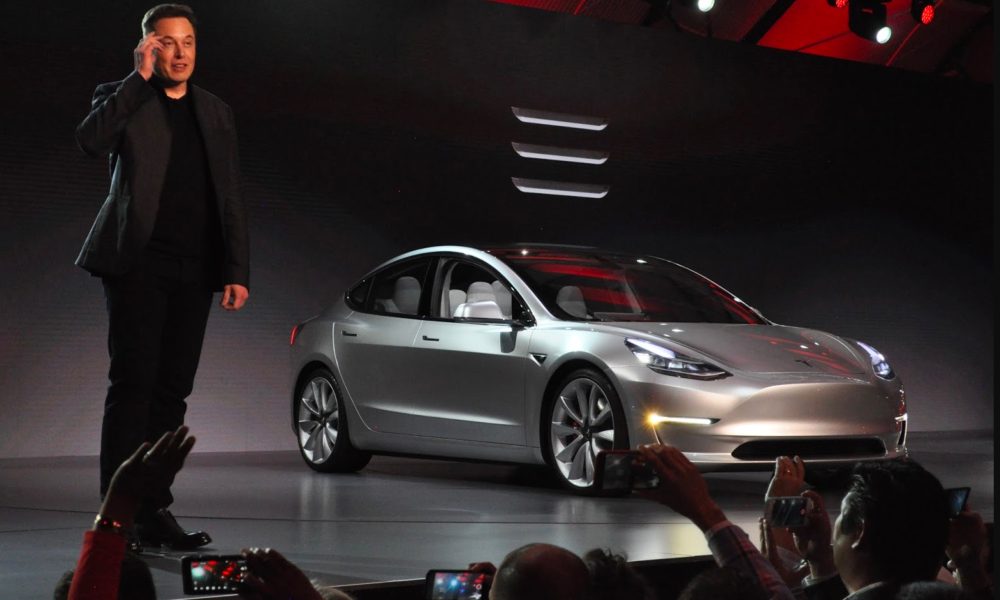


For the fourth consecutive year, Tesla has claimed the “Overall Loyalty to Make” award from S&P Global Mobility, a streak that started in 2022 and shows no sign of breaking. The 2025 awards are based on analysis of 13.6 million new retail vehicle registrations in the U.S. from October 2024 through September 2025.
That alone would be a solid headline. But dig into the supporting numbers and the picture gets more interesting.
Tesla also won the Highest Conquest Percentage award for the sixth straight year, meaning it continues to poach buyers from other brands at a rate nobody in the industry can match. It swept the Ethnic Market Loyalty to Make category too, with retention hitting 63.6% among Asian households and 61.9% among Hispanic households, rates that significantly outpace national averages.
Those are not the numbers of a brand coasting on novelty or early-adopter enthusiasm. That is a broad, demographically diverse customer base that keeps writing checks.
The timing sharpens the point. After several quarters of declining U.S. EV market share, Tesla surged back to 59% in Q4 2025. That rebound landed precisely when competitors were flooding showrooms with new electric models, sweetened with aggressive incentives and massive marketing budgets.
Every major automaker now has skin in the EV game. Ford, GM, Hyundai, BMW — the alternatives are real, they are good, and they are available. Tesla owners looked at all of it and came back anyway.
Two things keep pulling them in. The first is the Supercharger network. With over 65,000 units globally, it remains the largest and most reliable fast-charging infrastructure on the planet.
Owners build their routines around it. Switching brands means abandoning that convenience for a patchwork of third-party chargers that still cannot match Tesla’s consistency, speed, or coverage. That is a practical lock-in that no amount of competitor advertising can undo.
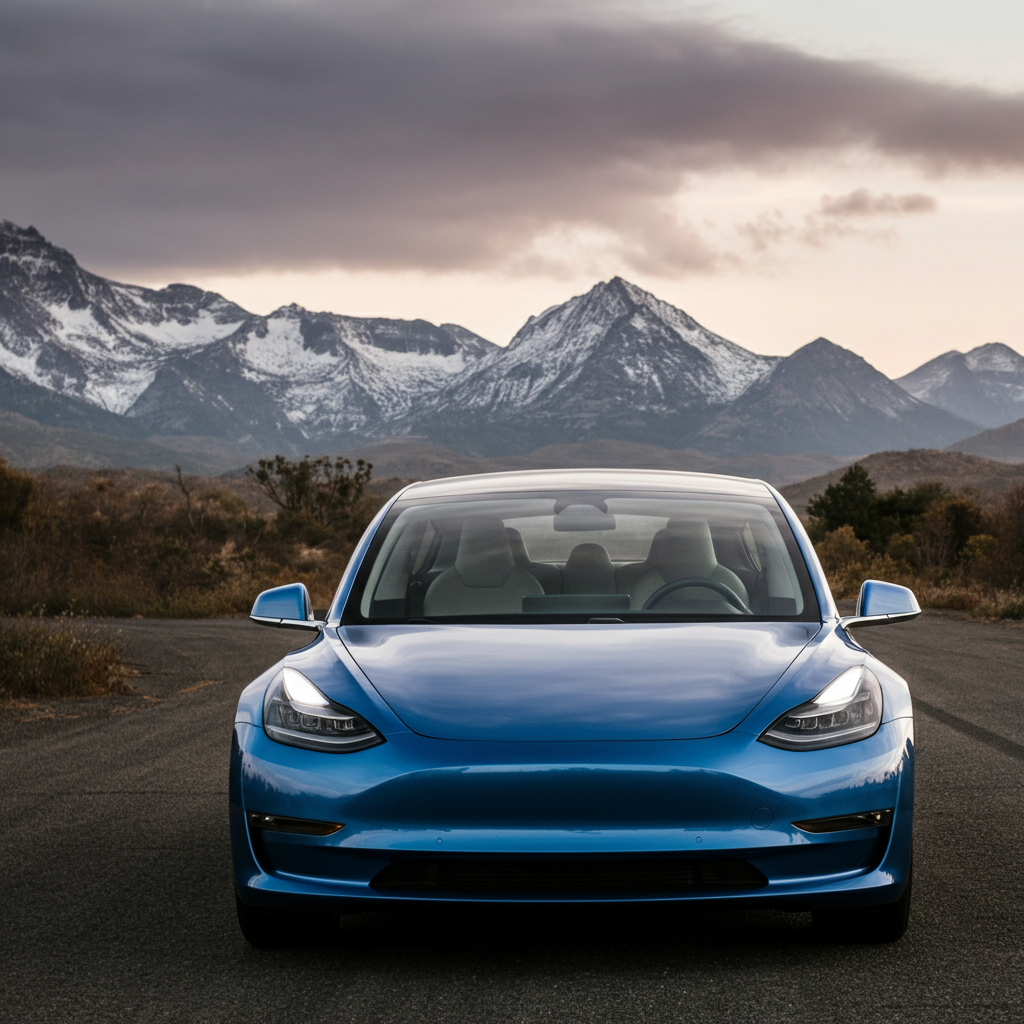
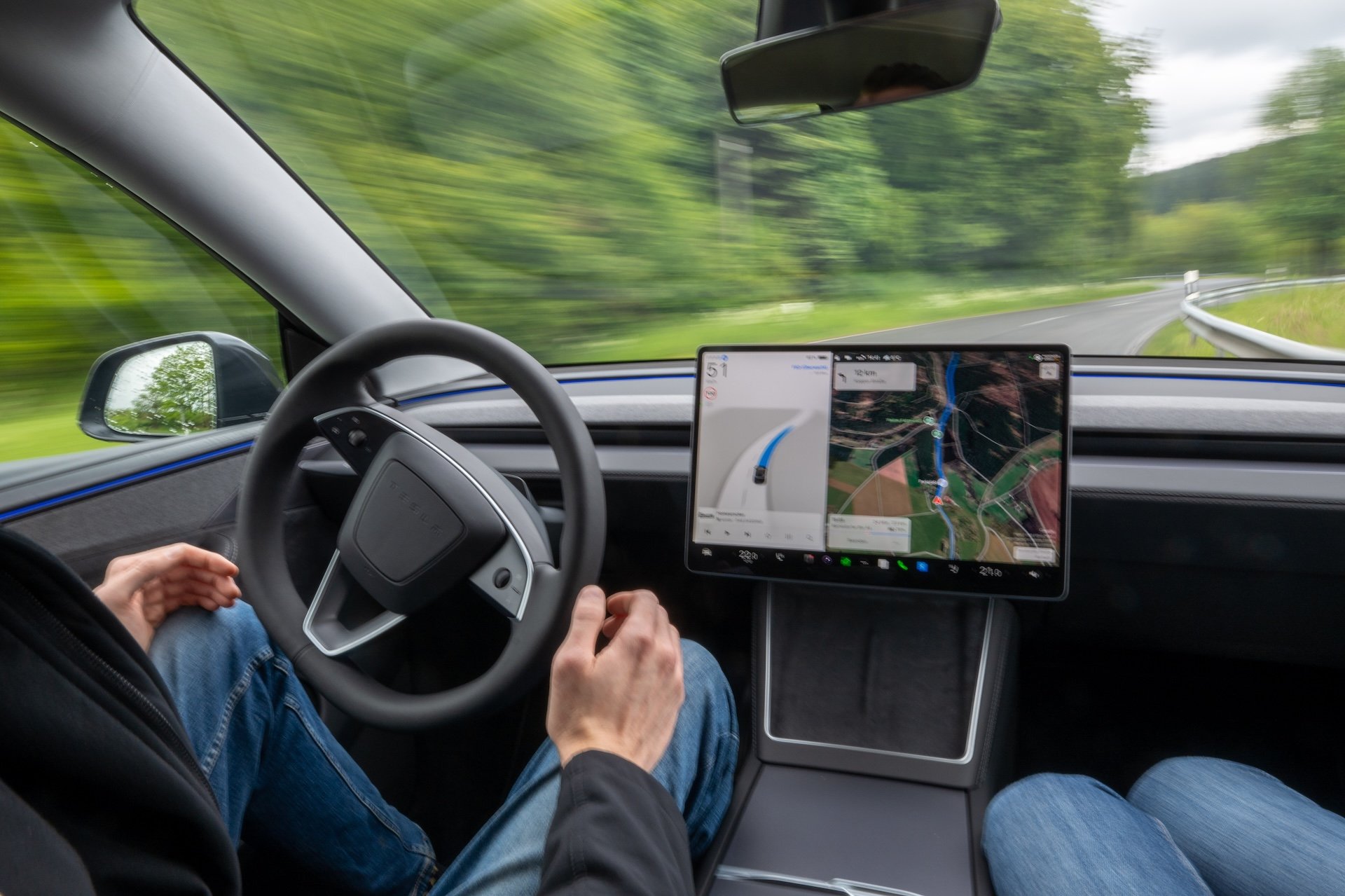
The second is software. Tesla’s over-the-air update model means the car in your driveway today is functionally different from the one you bought two years ago. Full Self-Driving has evolved from a glorified driver-assist feature into an increasingly capable autonomous system. For owners invested in that trajectory, jumping to a competitor means buying a vehicle that will essentially stay frozen in time.
General Motors took the “Overall Loyalty to Manufacturer” award, which covers its full family of brands. Chevrolet’s Equinox won for model loyalty. Subaru earned top marks for dealer loyalty, and Mini picked up the most improved category.
Respectable wins, all of them. But none of those brands are simultaneously conquesting new buyers and locking in existing ones at the rate Tesla is.
The loyalty streak also arrives amid significant brand turbulence. CEO Elon Musk’s increasingly polarizing public profile has generated no shortage of headlines, protests, and social media fury over the past two years. Critics predicted a customer exodus. The registration data says otherwise.
Whatever feelings buyers may have about the man at the top, the product, the network, and the software ecosystem are doing the heavy lifting.
Four years running is not a fluke. Six years of highest conquest percentage is not an accident. Tesla has built something the rest of the industry has not figured out how to replicate: an ownership experience sticky enough to survive a market flooded with alternatives and a CEO who generates controversy the way other executives generate quarterly reports.
The cars keep getting better without leaving the garage, the chargers keep working, and the customers keep coming back. Until a competitor cracks that combination, the loyalty crown is not going anywhere.
Share this Story