
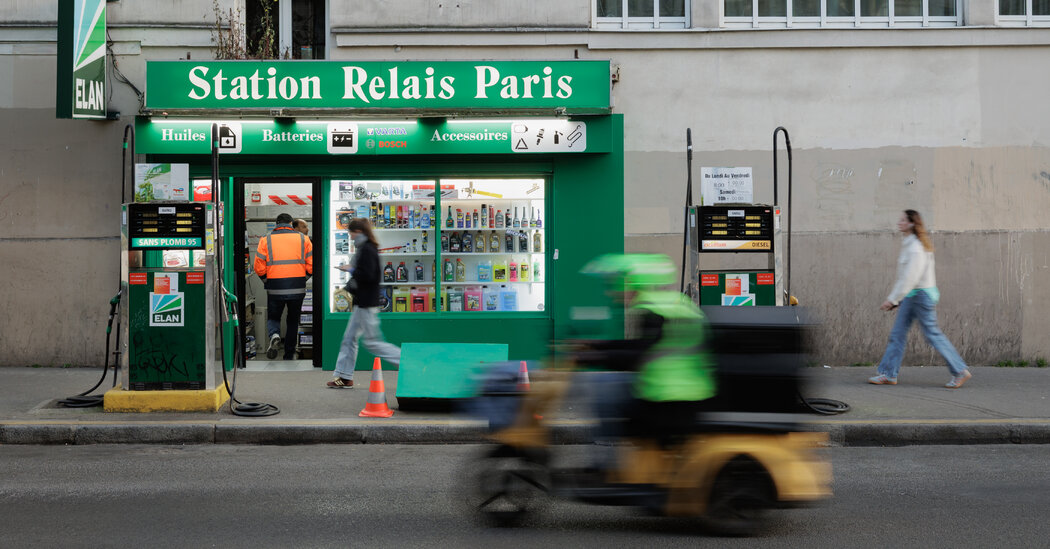


Toyota is cutting 40,000 vehicles from its production schedule. Aluminum prices have spiked 14 percent in a week. European natural gas prices have nearly doubled in two days. And the national average price of a gallon of regular gasoline has climbed 34 cents since February 26, when it sat at $2.98.
The U.S.-Israeli war with Iran, now in its eighth day, is reaching into every corner of the global auto industry. It’s disrupting shipping lanes, inflating raw material costs, and threatening to crater vehicle sales across the Middle East and well beyond.
The Strait of Hormuz, through which roughly a fifth of the world’s oil passes, is effectively closed to normal traffic. A container ship was struck there this week, underscoring just how volatile the corridor has become. Qatar’s state-owned energy company has halted liquefied natural gas production after attacks on its facilities, and Dubai, the central transshipment hub for Chinese automakers distributing vehicles across the Middle East and into Africa, is in chaos.
According to Bernstein equity research, Asian brands have the most direct exposure. Toyota holds 17 percent of Middle East regional sales, Hyundai 10 percent, and Chery 5 percent. Iran itself is the region’s largest car market at 38 percent of the roughly 3 million vehicles sold there last year, and it’s dominated by Chinese players like Chery, Changan, and Jianghuai. Those sales have stopped cold.
Chinese automakers shipped 567,000 cars through Dubai last year and another 164,000 passenger vehicles and CKD kits directly to Iran. The region accounted for 17 percent of all Chinese passenger vehicle exports in 2025. With the Suez Canal now considered high-risk, shipments bound for Europe are being rerouted around the Cape of Good Hope, adding weeks and costs to every voyage.
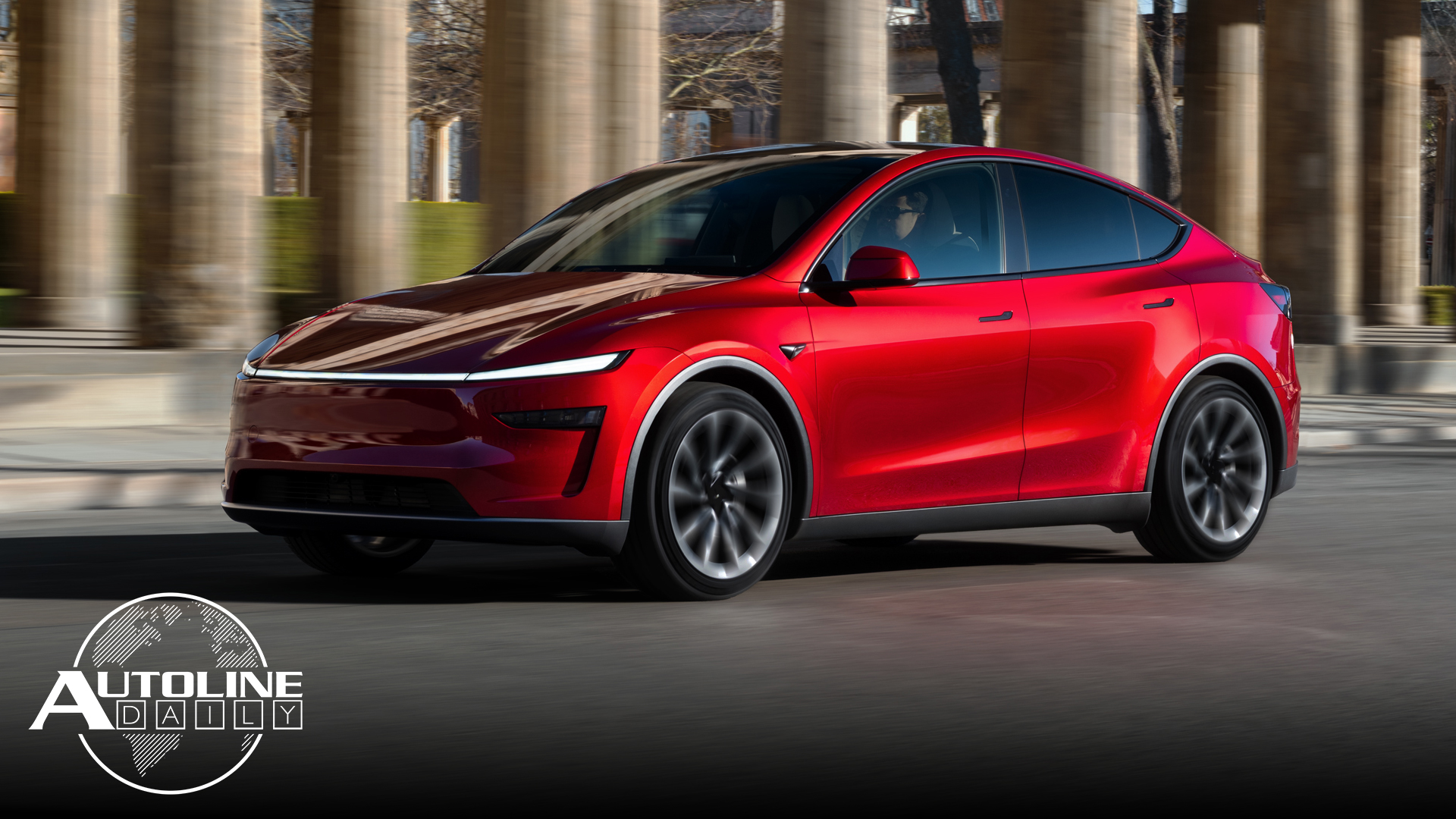
Among European automakers, Stellantis faces the sharpest pain — not from lost regional sales, but from the pump. The company is heavily invested in internal combustion powertrains, and rising gasoline prices could suppress demand for the trucks and SUVs that generate its fattest margins. Stellantis is already in emergency mode, rolling out 0 percent financing for 72 months on the Jeep Wagoneer S, Dodge Charger, and Chrysler Pacifica. That’s a desperation play dressed up as a sales blitz.
The Middle East produces about 8 percent of the global aluminum supply, and the economics that made the region attractive for smelting — cheap energy — are now working in reverse. Some producers have shuttered plants. Others are stockpiling product they can’t ship because raw materials can’t get in and finished goods can’t get out.
Europe, still nursing wounds from the energy crisis that followed Russia’s invasion of Ukraine in 2022, is staring down a second supply shock in four years. “Now the region could face an energy shock on top of a trade shock,” wrote Carsten Brzeski, an economist at ING. The European Central Bank had been celebrating low inflation and stable interest rates. That party is over.
President Trump initially said the conflict would last about a month. Central Command is now reportedly saying it could stretch into fall. Anyone with a history book knows how that math usually works.
The auto industry was already navigating tariffs, weakening demand, costly EV transitions, and regulatory whiplash from Brussels to Washington. Volvo’s sales fell 10 percent in the three months through February, weighed down by U.S. tariffs that hiked import duties from 2.5 percent to as high as 27.5 percent before settling at 15. Mercedes-Benz CEO Ola Källenius spent this week in Brussels warning that EU emissions rules could effectively ban combustion engines by 2035 — right as a war makes the transition timeline feel almost quaint.
Every automaker on the planet built its 2026 plan around assumptions that no longer hold. Oil was supposed to be stable. Shipping was supposed to be predictable. The Middle East was supposed to be a growth market, not a war zone.
Share this Story