
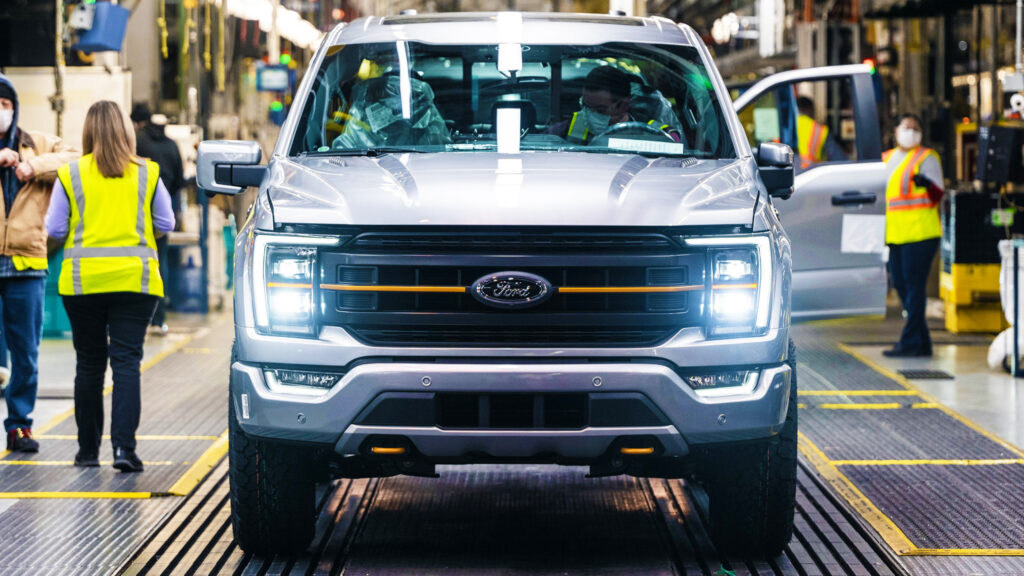


A broken hood die shut down Ford’s F-150 line for four days last week, costing the company an estimated 2,500 trucks it absolutely cannot afford to lose.
The timing is brutal. Ford was already staring at a 60,000-unit inventory deficit compared to last year, the residual damage from a fire that gutted the Novelis aluminum rolling plant in upstate New York last September. That blaze choked off aluminum supply and cratered F-150 availability by more than 40 percent. Nine months later, the wound still hasn’t closed.
And now this. A heavy-duty stamping mold used to shape the truck’s aluminum hood panels cracked at a nearby stamping facility, forcing Ford to pause production Thursday evening through the long Memorial Day weekend. Two 10-hour shifts a day, four days down. The math is simple and painful.
Ford had been running the Dearborn Truck Plant hard, desperately trying to claw back lost volume. The company publicly committed to boosting F-Series output by 50,000 units in 2026, though it acknowledged that surge wouldn’t materialize until the back half of the year. Every day of downtime pushes that target further out of reach.
An unnamed source told the Detroit Free Press that Ford may schedule a “super Saturday” or “super Sunday” to stanch the bleeding. It’s a Band-Aid on a deep cut.
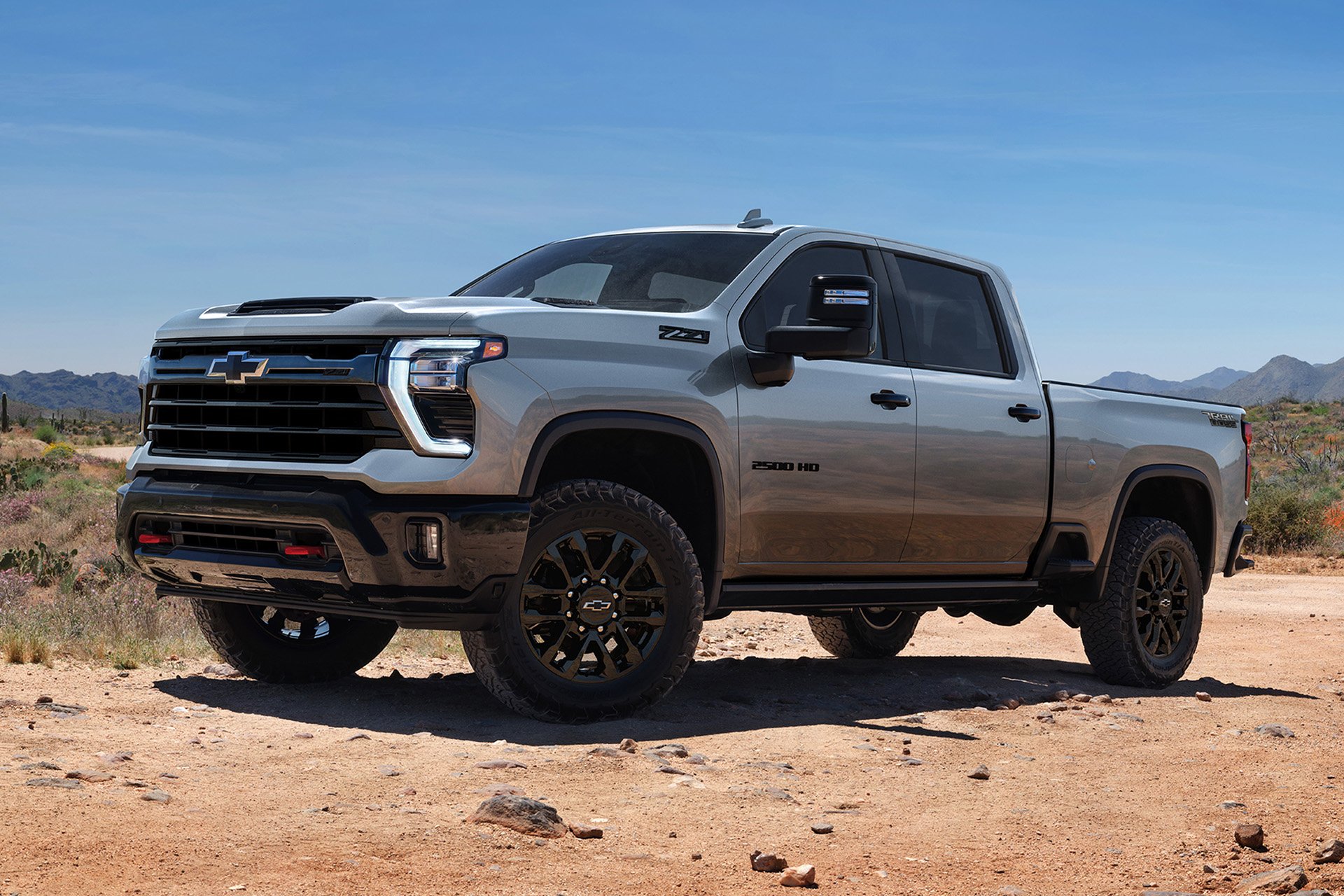
GM has been circling. With F-150 inventory thin on dealer lots, Chevrolet’s Silverado and GMC’s Sierra have been picking off conquest buyers who can’t wait or won’t pay markup premiums. The competitive window Ford handed its crosstown rival last fall is still wide open, and every unplanned shutdown props it open a little wider.
The F-150 has been America’s best-selling truck for 48 consecutive years, a streak built on relentless production volume as much as brand loyalty. Ford moved to aluminum body panels with the 2015 model specifically to shed weight and improve fuel economy, a bold bet that paid off handsomely in showrooms. The trade-off was a supply chain more dependent on specialty aluminum rolling capacity, concentrated in fewer facilities than anyone wanted to admit.
A single plant fire in September exposed that vulnerability. A single cracked die in May just underlined it.
Ford’s production issues aren’t systemic in the way that a semiconductor shortage was systemic. They’re sequential failures, each one manageable in isolation, collectively devastating in a market where truck inventory equals revenue and revenue equals survival margin.
Ford’s truck division bankrolls everything else the company does — its EV losses, its software ambitions, its restructuring plans. The F-150 line doesn’t just build trucks. It funds an entire corporate transformation.
Losing 2,500 units over a long weekend won’t sink Ford. But Ford isn’t losing 2,500 units. It’s losing 2,500 units on top of 60,000 units on top of nine months of constrained supply.
The hole keeps getting deeper, and the company keeps finding new shovels.
Ford says the ramp-up is coming. Later this year. The dealers waiting on allocations and the customers cross-shopping Silverados have heard that before.


Share this Story