
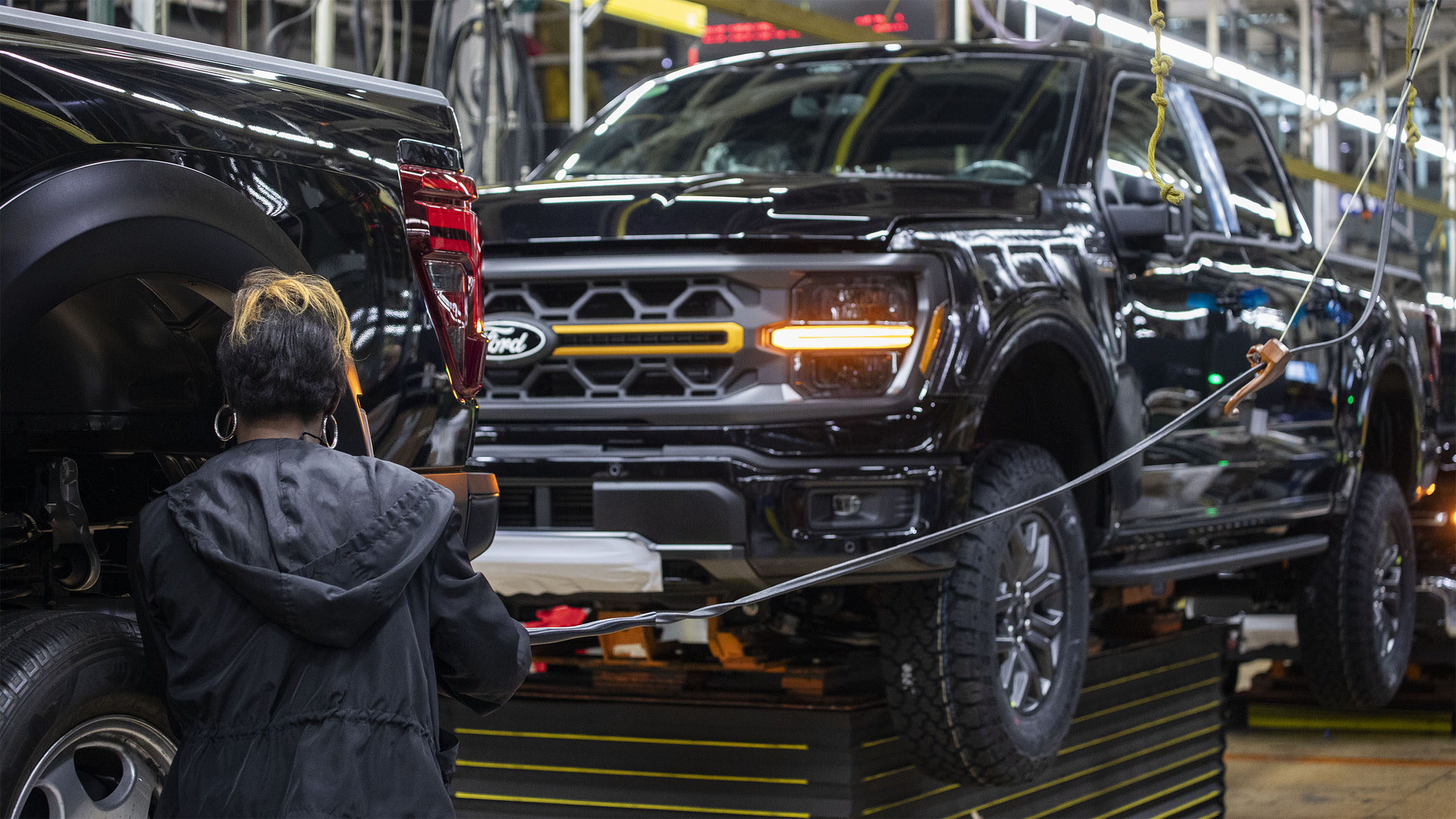


Sam Pack sells Fords for a living. Four dealerships in the Dallas-Fort Worth sprawl, built on the back of F-150s and Super Duty trucks. Right now, he’s sitting on 42 days of F-150 inventory when he normally keeps 60.
“We’d love to have more,” he told the Wall Street Journal, with the kind of understatement only a Texas dealer who knows his bread and butter is running thin can muster.
The aluminum shortage that began throttling Ford’s F-150 production late last year hasn’t loosened its grip. Ford now projects it will spend $2 billion on commodities in 2026, double what the company originally estimated, driven largely by the surging cost of the very metal its best-selling truck is made of.
That number deserves to sit with you for a moment. Two billion dollars in commodity costs for a single fiscal year, against a forecast that was half that. This is what happens when your flagship product is built around a material the global supply chain can’t reliably deliver.
Ford made the aluminum-bodied F-150 its big bet back in 2015. The move was revolutionary at the time, shaving hundreds of pounds off the truck, improving fuel economy, and making Ford look like the smartest company in Detroit. A decade later, that same decision has become a vulnerability.
When aluminum flows freely, it’s a competitive advantage. When it doesn’t, it’s a headache that no amount of engineering cleverness can fix.
The shortage isn’t just a Ford problem. It’s hitting any manufacturer with significant aluminum content in its vehicles. But no one is more exposed than Ford.
The F-150 has been America’s best-selling vehicle for over four decades. It is the profit engine that funds everything else Ford does — its EV ambitions, its commercial vehicle expansion, its ability to survive quarters where other segments bleed red.
Dealers like Pack are the ones absorbing the immediate pain. Fewer trucks on the lot means fewer sales, fewer trade-ins feeding the used inventory pipeline, and customers who start looking across the street. A truck buyer with cash in hand and no patience doesn’t care about global commodity markets. He cares about what’s on the lot today.
Ford isn’t the only automaker staring down cost pressures. Audi’s CFO, Jürgen Rittersberger, said on a recent earnings call that the company is still evaluating the potential hit from a tariff increase on European auto exports to the U.S., calling it “a significant burden on our performance.” Audi is already cutting 7,500 jobs by 2029.
Volvo posted a 10 percent sales decline from February through April compared to the same period last year. The global auto industry is getting squeezed from every direction — raw materials, trade policy, softening demand.
But Ford’s situation is uniquely painful because of how concentrated the risk is. The F-150 isn’t just a product in Ford’s portfolio. It is the portfolio.
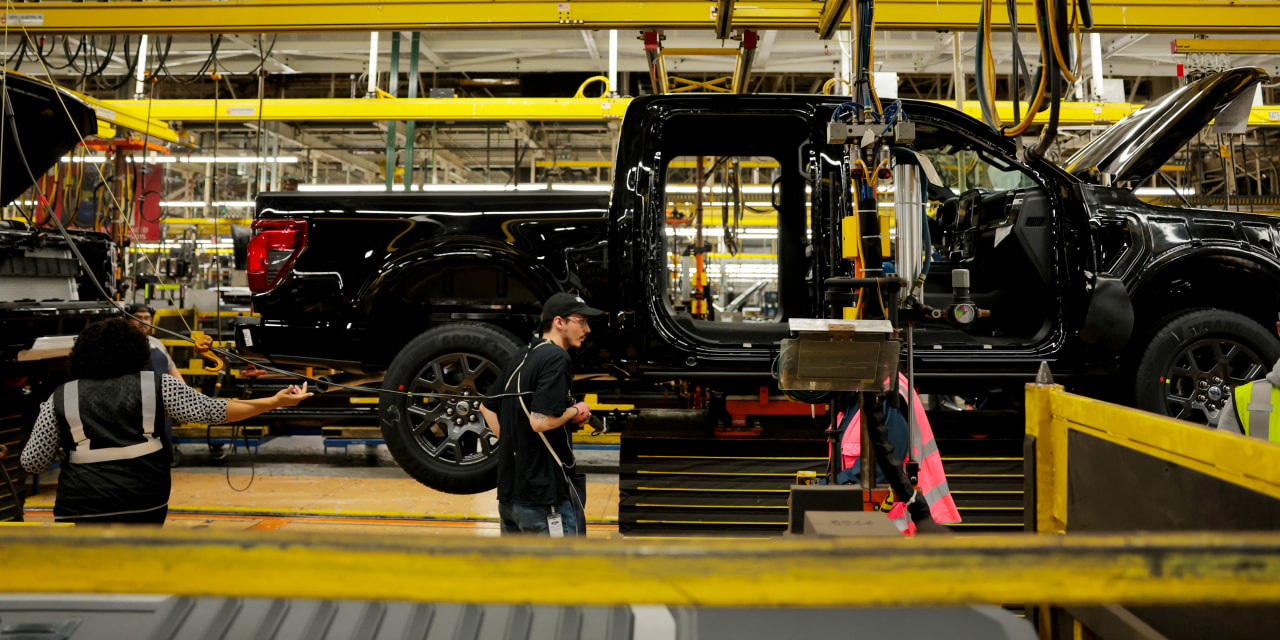
When production slows on that single nameplate, the financial damage cascades through the entire company faster than almost any other scenario short of a full plant shutdown.
The bet Ford made a decade ago was that aluminum would make the F-150 lighter, more efficient, and more competitive. All of that was true. What nobody modeled was a world where the supply of that aluminum became unreliable and its cost doubled projections in a single year.
The truck that was supposed to be Ford’s future-proof flagship is now the company’s most expensive problem.
Share this Story