
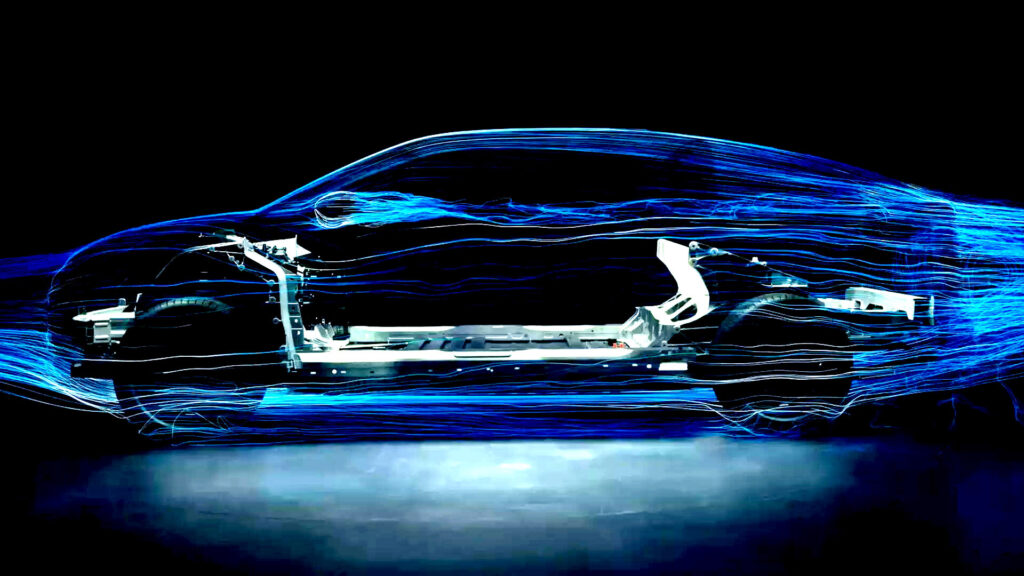


Ford isn’t just redesigning the F-150 and Super Duty. It’s blowing up the blueprint and starting over, with a 2029 deadline that gives its biggest rival a two-year head start.
The company has committed to a ground-up rethink of its most profitable vehicles, folding EV development, digital systems, and traditional engineering into a single organization under Kumar Galhotra. No more parallel universes for gas trucks and electric ones. One system, one strategy, one bet worth billions.
The scope is staggering. Ford says it will refresh 80 percent of its North American lineup by volume and 70 percent globally by 2029. By 2030, 90 percent of its vehicles will run updated electrical architectures with next-gen over-the-air capability.
Nearly 90 percent of its global nameplates will offer some form of electrified powertrain. That’s a very different tune than the pure-EV gospel Detroit was singing three years ago.
The F-150 Lightning’s trajectory tells the whole story. Reuters reported last December that Ford will replace the fully electric Lightning with an extended-range version using a gas engine as a generator. The target: roughly 700 miles of combined range.
Ford looked at what truck buyers actually do — tow boats, haul loads, drive long distances — and concluded that a massive battery pack alone wasn’t the answer. This isn’t a retreat from electrification. It’s a recalibration.
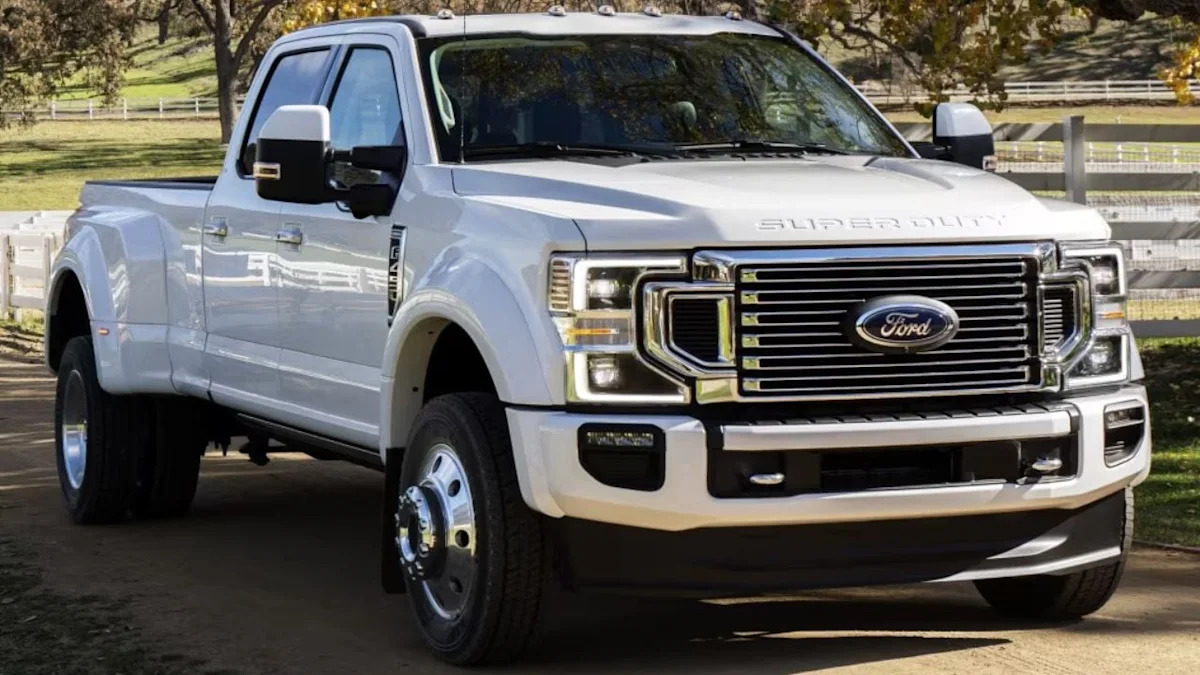
Ford now talks openly about hybrids and range-extended EVs because the market forced the conversation. Full-size electric trucks hemorrhage range under load, and customers noticed.
Ford’s universal EV platform is already serving as a proving ground, feeding breakthroughs in zonal architecture and cost modeling into future high-volume trucks. The company is studying steer-by-wire and brake-by-wire systems for the next F-Series, technology that could strip out mechanical complexity and reshape how these trucks are assembled. Reports have also linked Ford’s future plans to large-scale casting methods that would slash part counts.
Software is baked into every layer. Ford is building its next trucks as software-defined products capable of generating revenue long after the sale, with BlueCruise evolution and eventual Level 3 autonomy on the roadmap. The F-150 has always been a workhorse, but Ford wants the next one to also be a subscription machine.
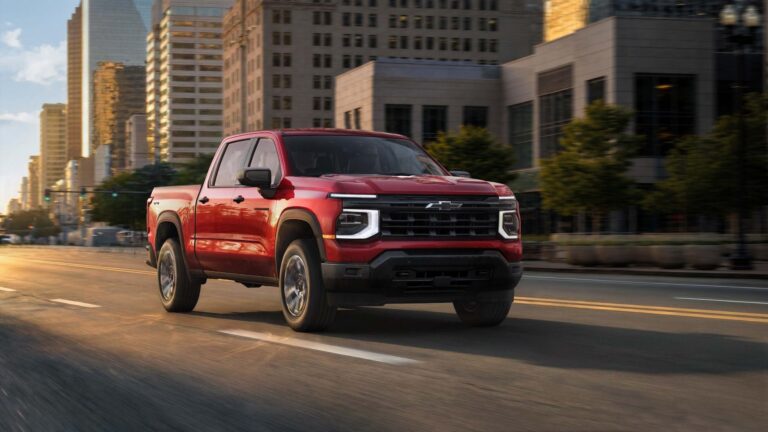
The risk is timing. Chevrolet is bringing a new gasoline Silverado to market in 2027. That gives GM two full years to sell fresh sheet metal while Ford keeps developing.
In a segment where loyalty is fierce but not infinite, two years is an eternity at dealership lots. But here’s the wrinkle: GM just indefinitely delayed its own next-generation full-size electric truck and is now exploring plug-in hybrids and extended-range systems. The same pivot Ford already made.
The entire industry is converging on the same uncomfortable truth — the battery-only full-size truck doesn’t yet fit the market the way everyone promised it would. Ford is gambling that arriving later with a more integrated product beats arriving sooner with a conventional update. It’s a bet on architecture over aesthetics, on software margins over sticker price, on a manufacturing system flexible enough to build whatever powertrain the market demands in 2030 and beyond.
The F-Series has been America’s best-selling truck for 48 consecutive years. That streak buys patience. It doesn’t buy forever.
If the 2029 trucks don’t deliver a generational leap in capability, cost efficiency, and technology, Ford will have handed its competitors exactly the window they needed. Kumar Galhotra’s new organization exists for one reason: to make sure that doesn’t happen.
Every decision Ford makes between now and 2029 — platform architecture, supplier selection, software stack, powertrain mix — flows through that single structure. No more internal turf wars between the gas side and the electric side. Ford has drawn the line, and now it has to build the truck.
Share this Story