
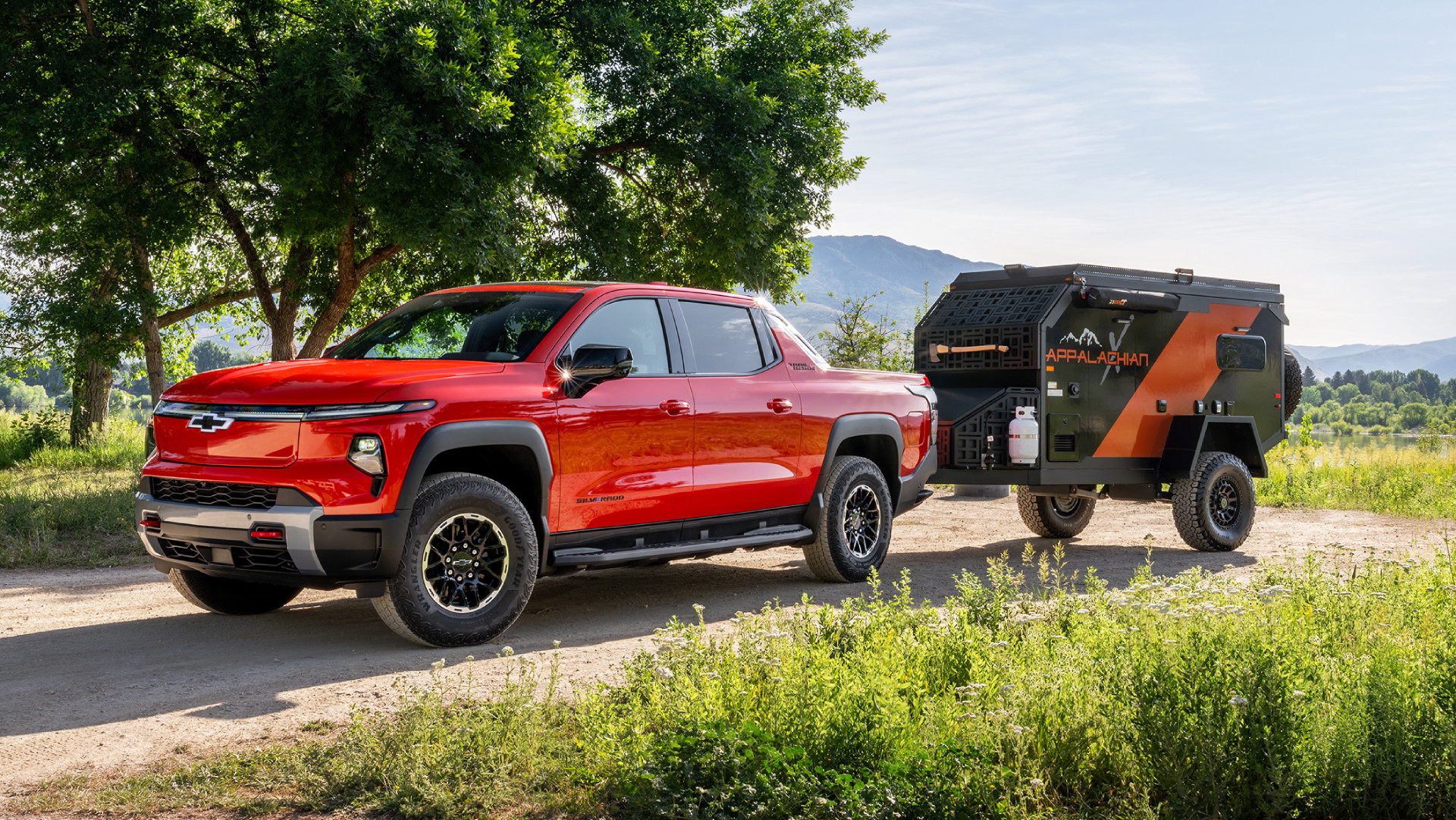


General Motors has indefinitely delayed its next-generation full-size electric truck program, killing plans to bring updated, lower-cost versions of the Chevrolet Silverado EV, GMC Sierra EV, Hummer EV, and Cadillac Escalade IQ to market in 2028. Suppliers have already been told the program is halted. No new timeline has been issued.
Three sources confirmed the suspension to Crain’s Detroit Business, and GM’s response was the corporate equivalent of a shrug. Spokesman Kevin Kelly said the company had “not disclosed any potential plans or timing for any next-generation battery electric trucks” and would not “engage in speculation.” That’s not a denial. That’s a company quietly backing away from a bonfire it lit itself.
The existing trucks will keep rolling off the line at Factory Zero in Detroit-Hamtramck, the plant GM consolidated most of its EV production into last year. That same plant has endured multiple rounds of layoffs and production halts as demand failed to meet the company’s projections. Workers were idled for about a month recently as sales softened further.
The numbers tell the story plainly enough. In Q1 2026, Chevy sold just under 1,400 Silverado EVs. GMC moved about 1,300 Sierra EVs.
Hummer managed 1,600 units. Even the Escalade IQ, at roughly 2,000 sales, is a rounding error in GM’s broader truck business. Meanwhile, the Equinox EV — smaller, cheaper, more practical — moved nearly 10,000 units in the same quarter. The market is sending a message GM can no longer afford to ignore.
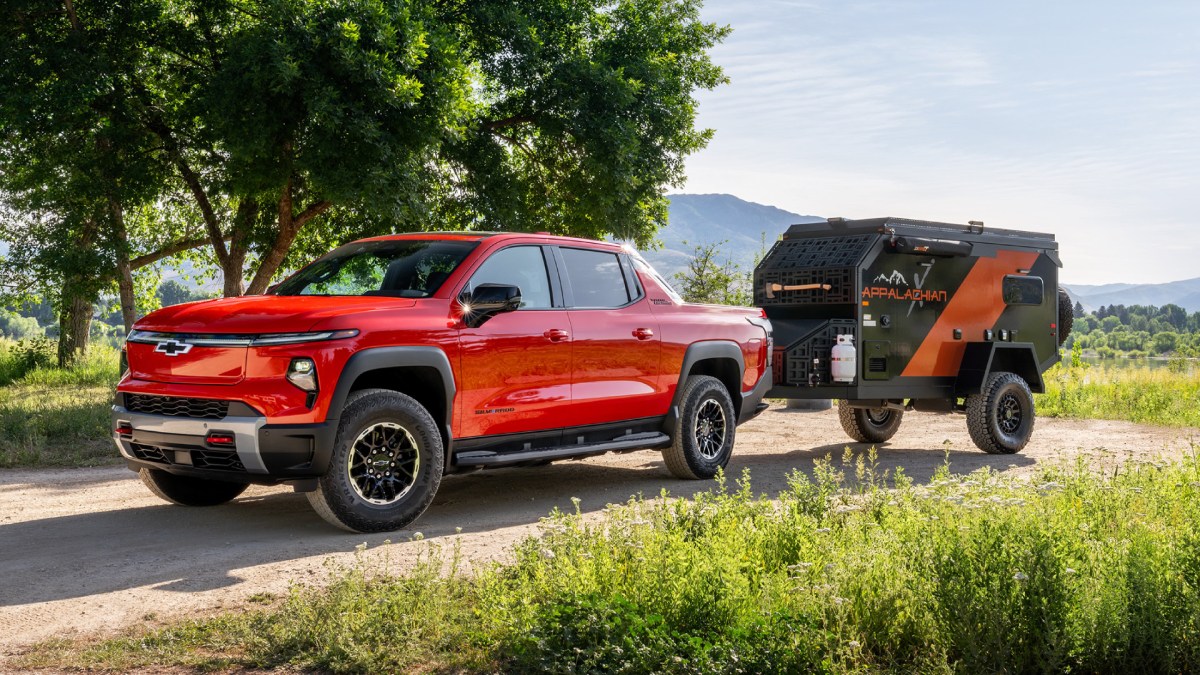
The loss of the federal EV tax credit last September gutted whatever momentum these trucks had. The credit offered buyers up to $7,500 on new qualifying EVs and $4,000 on used ones. Sales surged in the months before its expiration, then cratered. GM has sold fewer EVs in the two quarters since than it did in the same period a year earlier.
“More than anything, it shows GM is being forced to operate by market reality, not by the rapid EV growth narrative it had previously laid out,” said Paul Waatti, director of industry analysis at AutoPacific. Sam Abuelsamid of Telemetry Insights was blunter: “That’s a market that clearly isn’t working for anyone.”
Abuelsamid argued GM and others should focus on smaller, lighter, more efficient EVs and pivot to hybrid or extended-range electric powertrains for large trucks and SUVs. That appears to be exactly what GM is doing. Reuters reported the automaker is expected to bring plug-in hybrid versions of the Silverado and Sierra to a separate Michigan plant where it already builds gas-powered trucks.
GM is also talking to suppliers about developing an extended-range EV system — essentially a small combustion engine acting as an onboard generator to recharge the battery. GM currently sells zero hybrid vehicles in the United States. That it’s now scrambling to develop them after years of declaring an all-electric future by 2035 tells you everything about how thoroughly that strategy has collapsed.
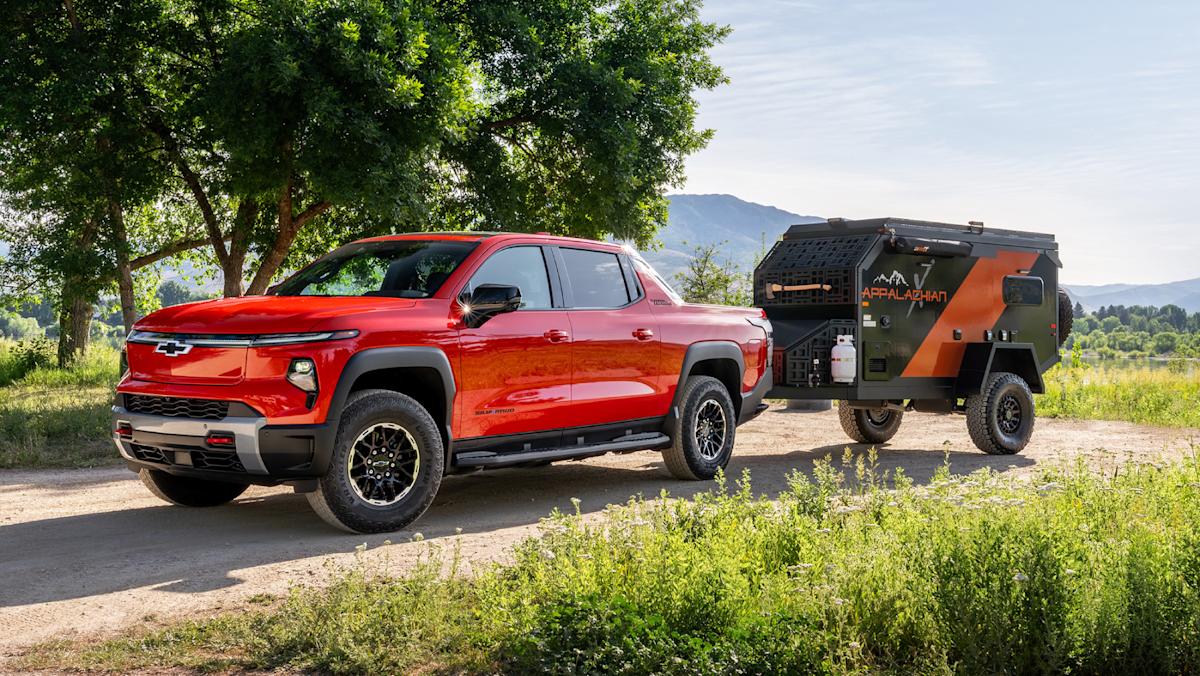
The 2035 pledge, made during a tighter regulatory climate before Donald Trump’s first administration, has been quietly scrapped. Ford already pulled the plug on the next-generation F-150 Lightning. GM hasn’t gone that far — the Silverado EV and Sierra EV survive for now.
But survival and thriving are different things, and a platform generating a few thousand sales per quarter while its next generation gets shelved indefinitely is a platform on life support. The pivot to hybrids isn’t a retreat. It’s an overdue reckoning.
Full-size electric trucks were always the hardest sell in the EV transition — too heavy, too expensive, and too compromised on range and payload for the buyers who actually use trucks as trucks. GM bet billions that sheer ambition could overcome those physics. The market disagreed.

Share this Story