
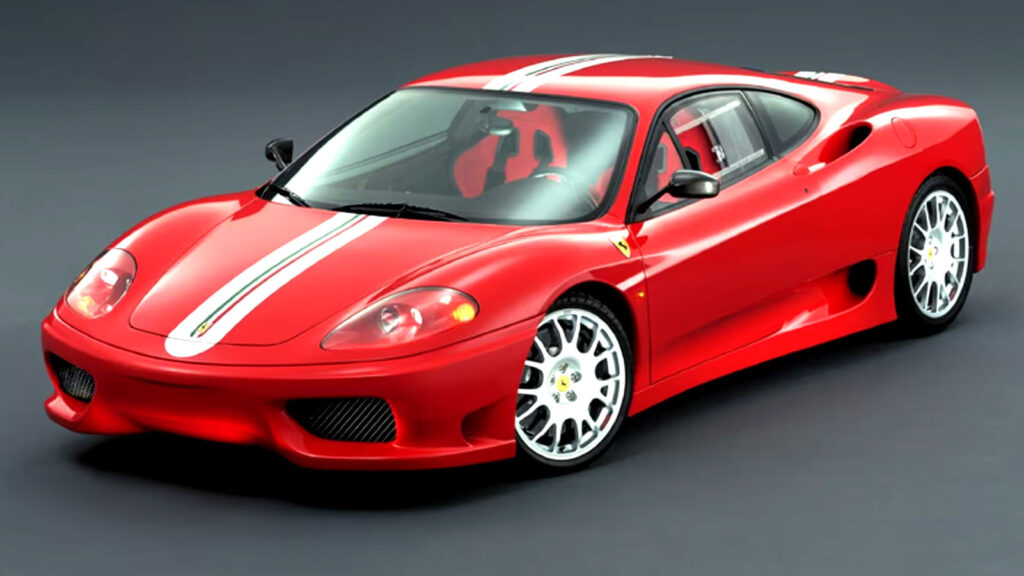


A salesperson turned the key on a Ferrari 360 Modena with parts of its fuel system missing. What happened next nearly killed a customer and is now the centerpiece of a $20.8 million lawsuit against Ferrari Quebec, Ferrari North America, and Ferrari’s headquarters in Maranello.
Newly surfaced surveillance footage from August 7, 2024, strips away any ambiguity about the severity of the incident. This wasn’t a puff of smoke or a minor flare-up. The video shows flames swallowing the car in seconds, spreading beyond the 360 and briefly reaching other vehicles on the showroom floor.
Doors open, rear decklid up, occupants apparently still near or inside the car when it erupted. Richard Papazian had walked into the Montreal dealership to shop for a Ferrari. He left with second- and third-degree burns covering more than 56 percent of his body.
He spent four weeks in a medically induced coma. The lawsuit details multiple surgeries, failed skin grafts, kidney failure requiring dialysis, and permanent injuries that persist nearly two years later. The man who once lived for F1 weekends in Montreal says he can no longer enjoy them.
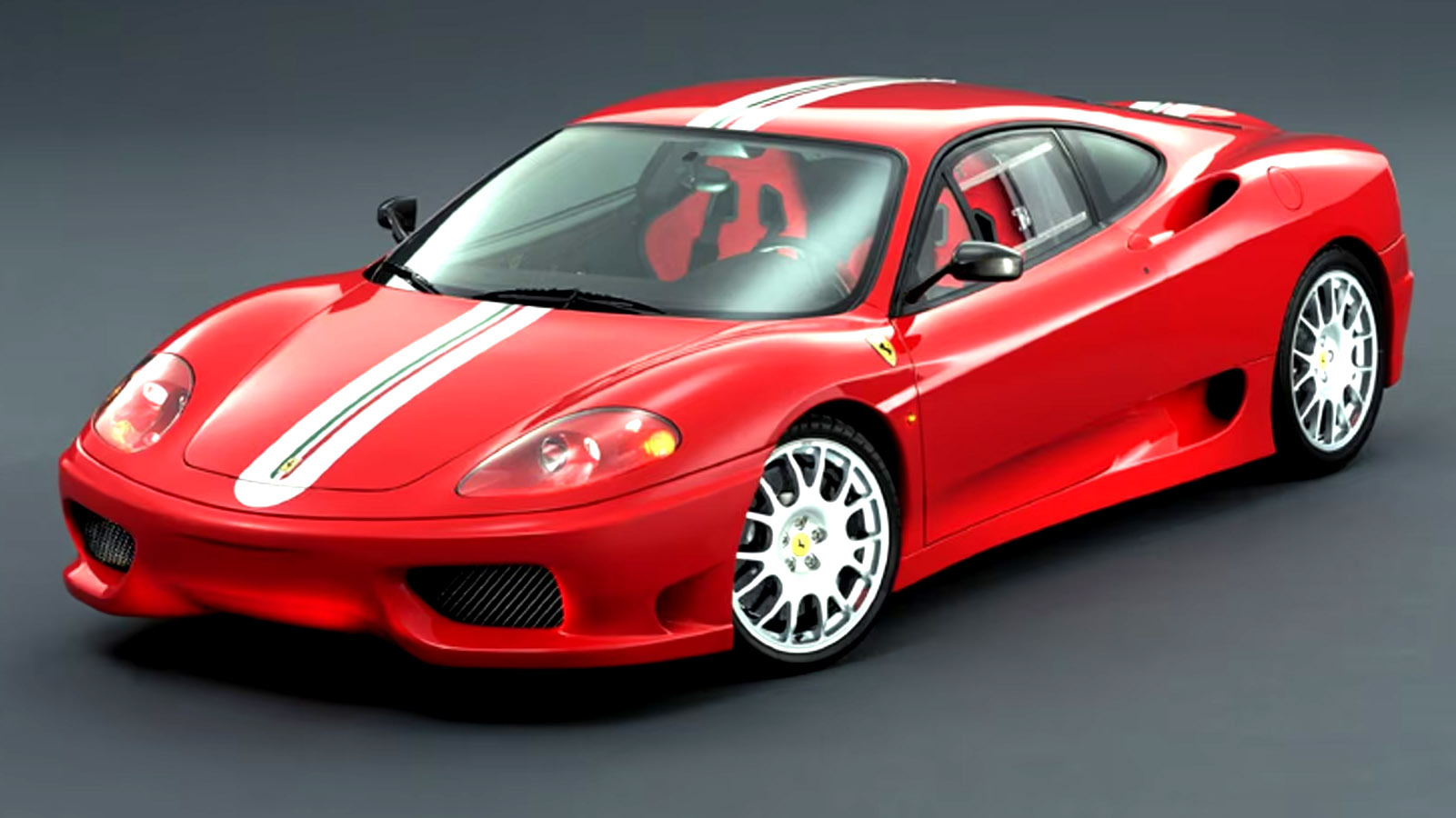
The central allegation is as damning as it is simple: a dealership employee tried to start a car that wasn’t mechanically complete. Fuel system components had been removed. Raw fuel was exposed, and a spark found it.
The lawsuit calls it gross negligence, recklessness, and willful misconduct. That language is designed to clear the bar for punitive damages, not just compensatory ones.
What makes this case unusual isn’t just the severity of the injuries. It’s the silence that followed. Papazian alleges that dealership employees were muzzled after the fire, and that a police media statement was prepared but never publicly released.
For an explosion violent enough to put a man in a coma for a month inside a high-profile luxury dealership, the incident generated almost no public attention at the time. That vacuum of information held for nearly two years, until the surveillance footage surfaced.
Now the footage exists in the public record, and it tells a story that words alone couldn’t convey. The speed of the fire, the proximity of other vehicles, the apparent chaos on the showroom floor — all of it is visible. For a jury, that kind of evidence doesn’t need expert interpretation.
Ferrari has not publicly commented on the lawsuit. The case remains ongoing, and the defendants have yet to present their version of events in court. But the footage shifts the dynamic, transforming a he-said, dealership-said dispute into something visceral and undeniable.
Dealerships routinely start and move cars that are in various states of service or preparation. It’s part of the daily rhythm of a working showroom. But there is a reason fuel system work demands specific lockout procedures — a car without a complete fuel system isn’t a car, it’s a bomb with leather seats.
Papazian is asking for $20.8 million. Given the extent of his injuries, the duration of his recovery, and the permanent damage he describes, that number isn’t theatrical. Burns across 56 percent of a human body, a month in a coma, ongoing dialysis, failed grafts — the medical costs alone would be staggering before you calculate lost quality of life.
The footage is now the loudest voice in the room. And it doesn’t need a lawyer to explain what it shows.
Share this Story