


The Hyundai Elantra is the most stolen car in America. Not a Lamborghini. Not a tricked-out Hellcat. A Hyundai Elantra. In 2025, thieves drove off with 21,732 of them, more than any other model on the road.
That number sits atop a list released by the National Insurance Crime Bureau that tells two stories at once. Vehicle theft in the United States dropped 23 percent last year to 659,880, the lowest total in four decades. But a car still disappears every 48 seconds, and the models being taken reveal something about the nature of the crime that flashy Hollywood heist films never will.
The top ten is a parade of mundane metal. The Honda Accord came second at 17,797 thefts, followed closely by the Hyundai Sonata at 17,687. The Chevrolet Silverado 1500 landed fourth with 16,764 units stolen, outpacing the Ford F-150, which came in seventh at 10,102, despite Ford selling enormous quantities of its flagship truck.
Thieves apparently prefer the bow tie by a 60 percent margin. Honda Civic, Kia Optima, Toyota Camry, Honda CR-V, and Nissan Altima round out the list. Not a single luxury nameplate, not one sports car. These are the workhorses of American driveways, and that’s precisely the point.
Stolen sedans and pickups don’t end up in some collector’s garage. They get towed to chop shops and stripped for parts that flow into a gray market of shady vendors and internet resellers. Catalytic converters alone can fetch $250 or more for their precious metal content. A bland Accord in a crowded parking lot is invisible, and invisible is exactly what a thief wants.
The NICB credits a coordinated push by automakers, law enforcement, and insurers for the steep decline. The pandemic-era theft surge, fueled by millions of cars sitting idle while owners worked from home, has finally broken. Washington state and Colorado posted the sharpest drops.
The Kia-Hyundai crisis, where thefts of those brands spiked 1,000 percent in 2023 after social media tutorials showed how to hot-wire certain models, has calmed for a third straight year. Software updates worked. Hyundai and Kia thefts now account for 14 percent of the national total, down from 21 percent two years ago.
California remains the epicenter of automotive crime. The state recorded 136,998 thefts in 2025, a full 20 percent of the national haul and nearly double the total of second-place Texas at 75,269. Los Angeles alone accounted for 53,911 stolen vehicles, more than double the New York metro area’s 27,138.
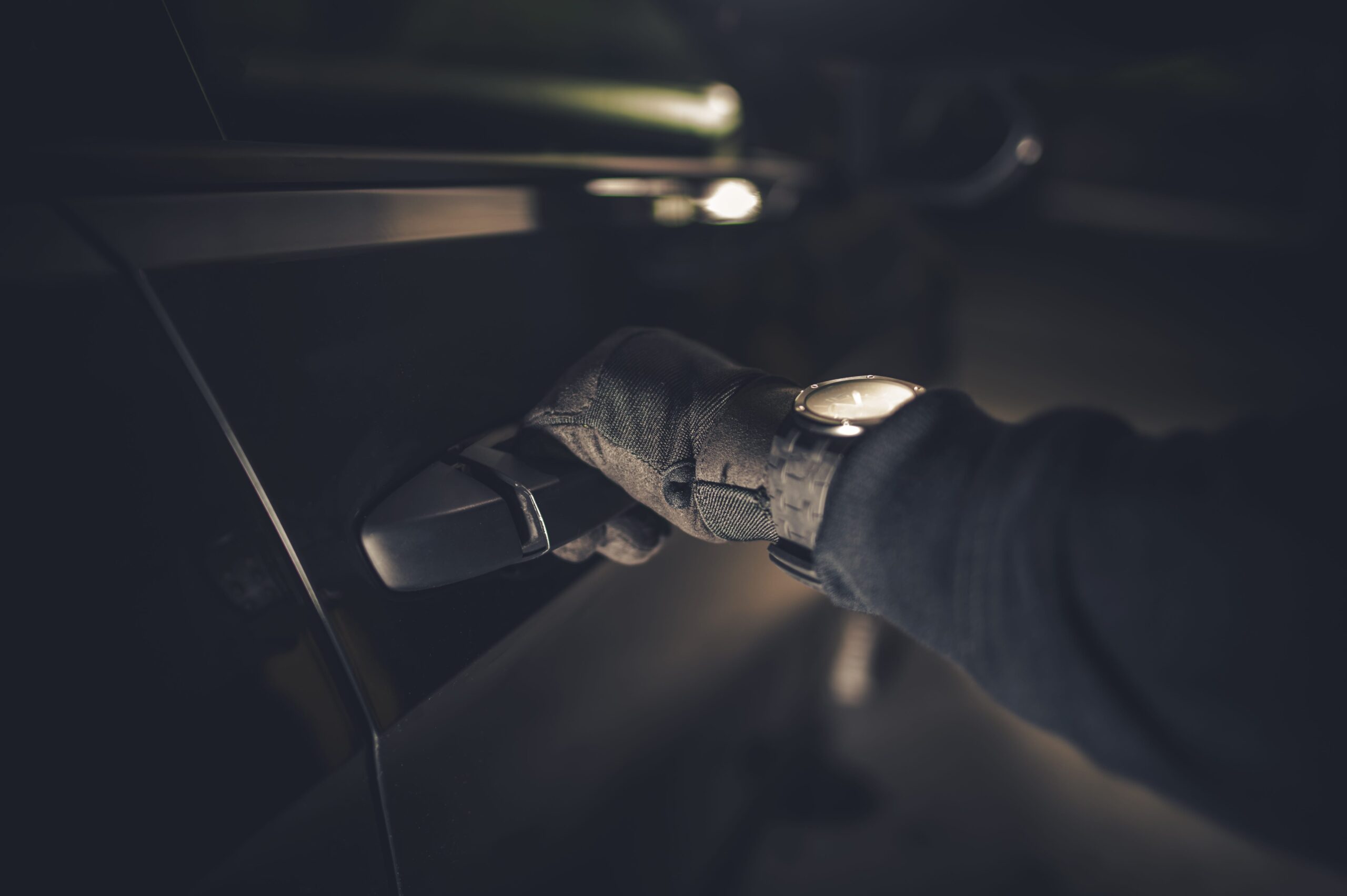
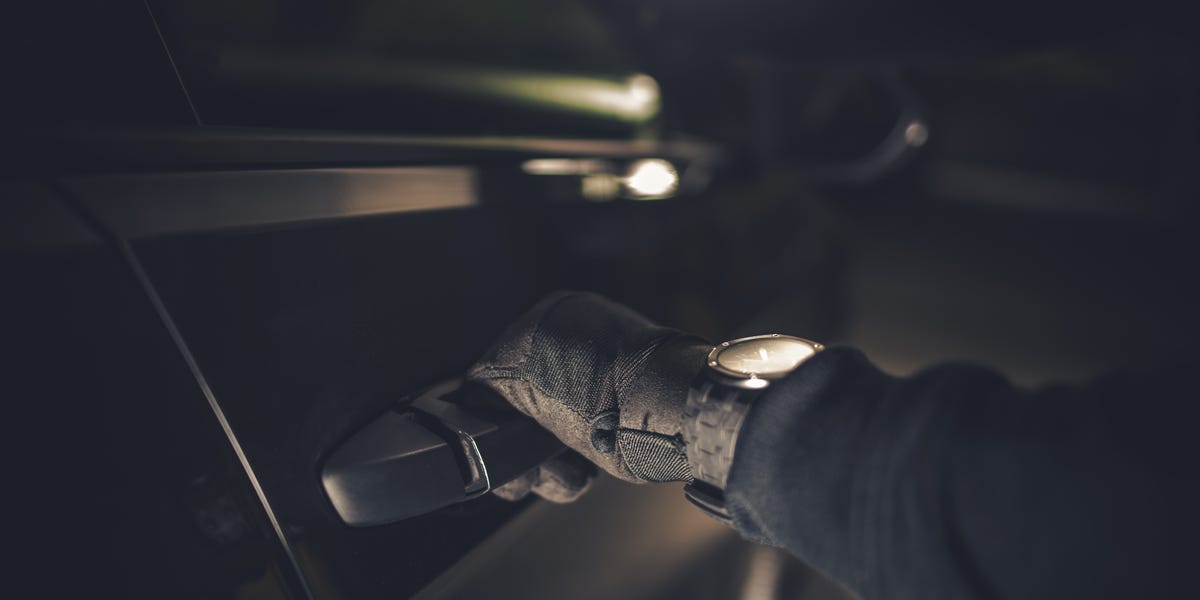
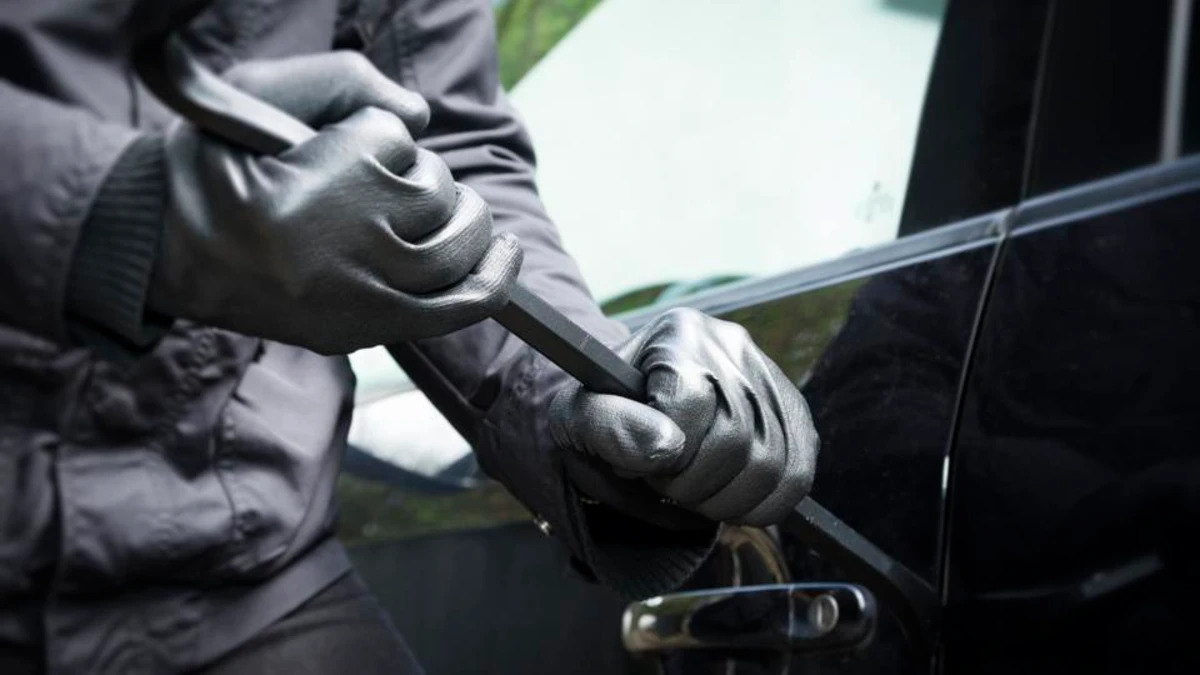
The thieves have evolved. Forget hot-wiring and hidden keys. Today’s car criminals clone electronic keys through OBD ports, use signal boosters to relay keyless entry fob signals from inside a house to a car parked in the driveway, and in some cases hack through headlight wiring harnesses.
A rash of thefts routed through the port of Montreal saw Lexus RX models driven around with headlights removed. That was the telltale sign a car had been compromised and was headed overseas.
NICB President David Glawe struck a cautious note despite the progress. “With several hundreds of thousands of vehicles stolen in a single year, vigilance and prevention efforts remain key to protecting families, businesses and communities nationwide.”
The recommended countermeasures are almost quaint against the sophistication of modern thieves: steering-wheel locks, kill switches, AirTags tucked under seats, parking in well-lit areas. Lock your doors. Don’t leave packages visible. Don’t leave the title in your glove box.
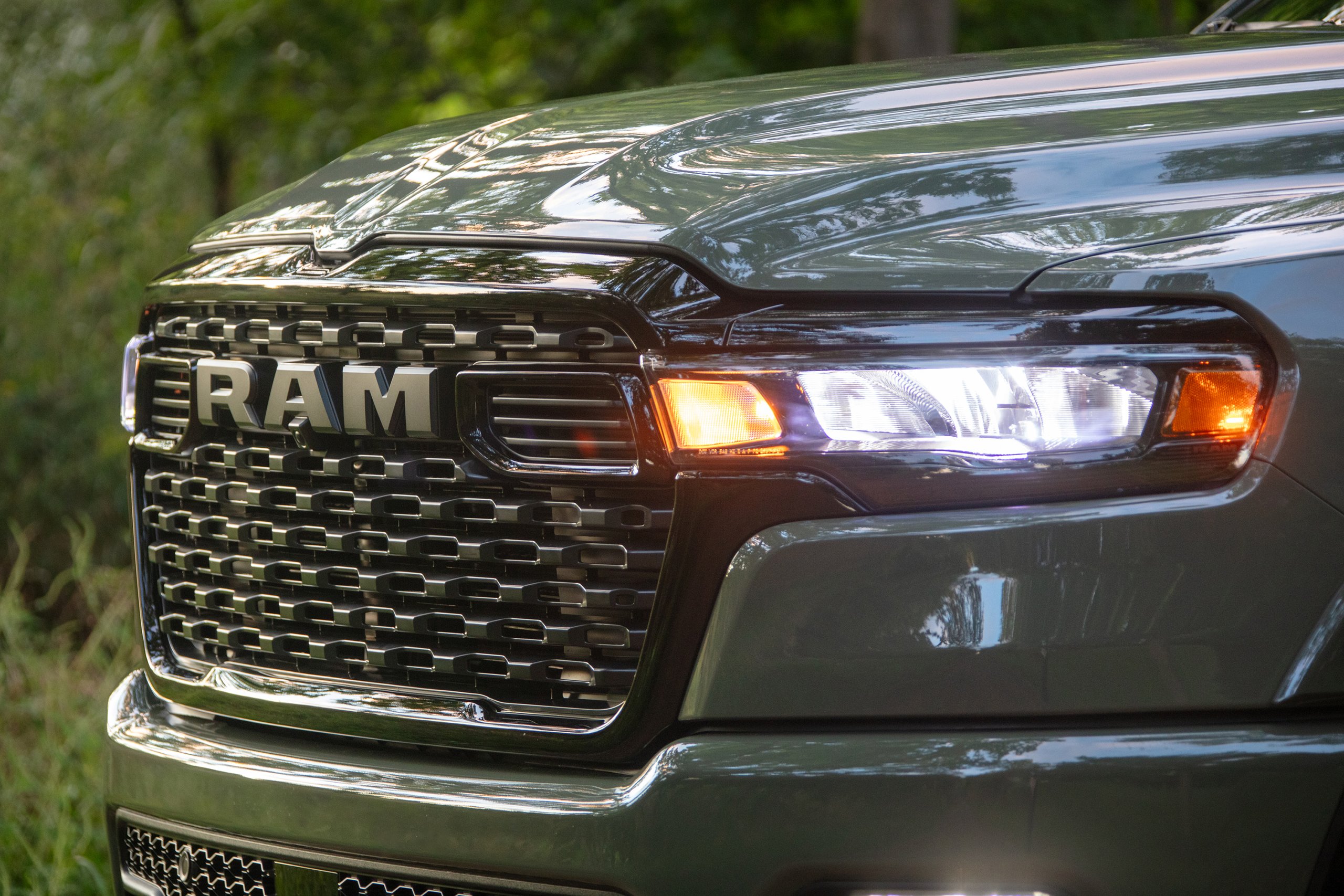
Notably absent from the top ten are the Toyota RAV4, Toyota Tacoma, and Ram pickup, all massive sellers that somehow escape the worst of the theft epidemic. Whatever combination of security hardware and thief indifference protects those models, the rest of the industry should be taking notes.
The 23 percent drop is real and welcome. But 659,880 is not zero, and the cars vanishing aren’t aspirational. They’re the ones people depend on to get to work. That’s the cruelty of it.



Share this Story