
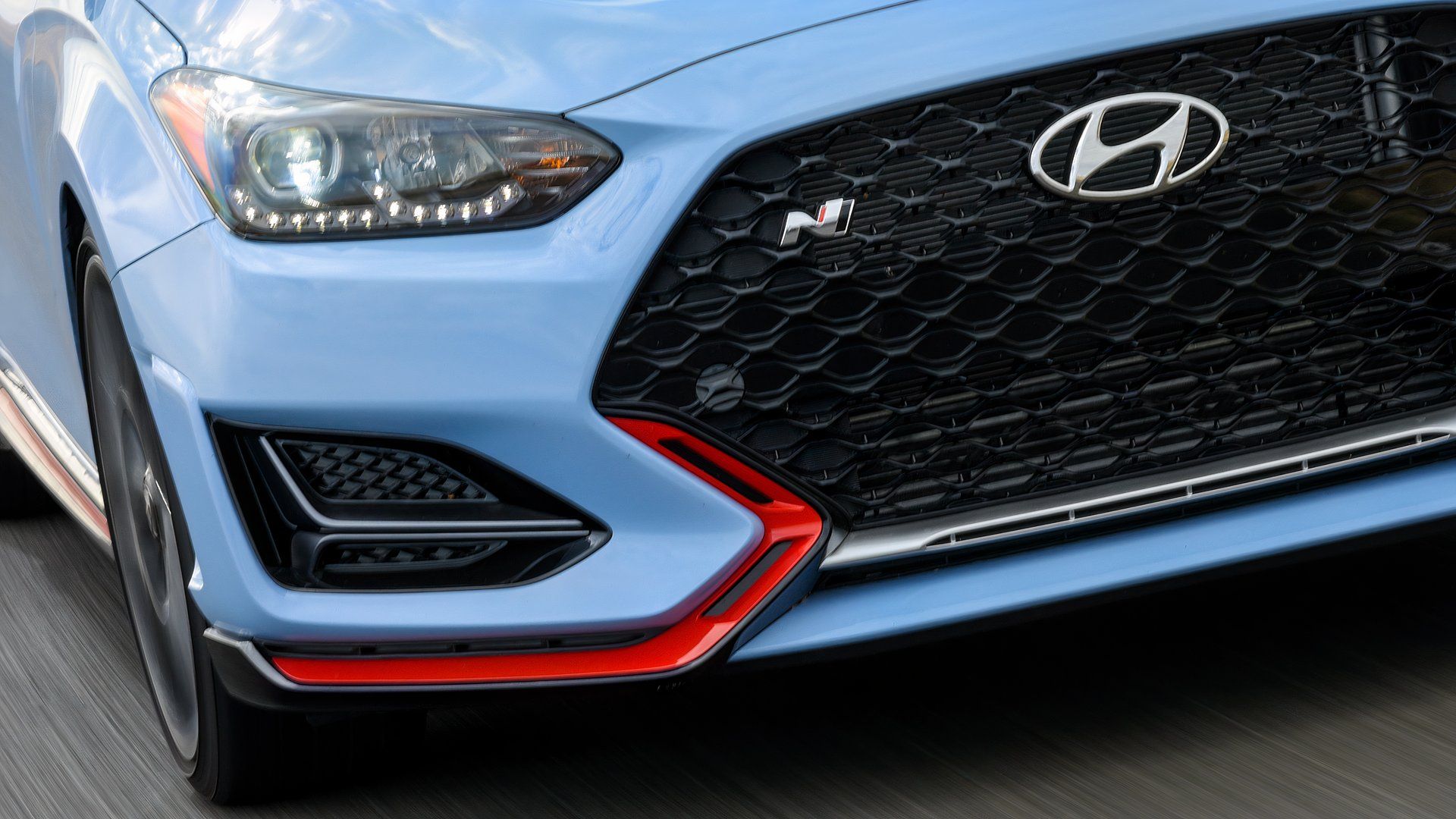


Hyundai’s performance division is costing the company millions in government penalties, and the automaker couldn’t be happier about it.
Newly released data from the Australian government reveals that Hyundai racked up $4.2 million Australian dollars in fines for exceeding CO2 emissions limits under the country’s New Vehicle Efficiency Standard. Its lineup of hot-blooded N performance cars pushed the brand over its allowed emissions threshold during the first six-month enforcement period ending in late 2025.
Gavid Donaldson, Chief Operating Officer at Hyundai Australia, didn’t flinch when confronted with the numbers. Speaking at the launch of the new Hyundai Elexio electric SUV, he told journalists the fines were “100 per cent worth it.
“The Hyundai N brand is one of the most important parts of our subculture for Hyundai,” Donaldson said. “We have a great following, a fantastic N community.”
Here’s the math that makes it sting a little less. Donaldson explained that if Hyundai stripped the N cars from its Australian portfolio, it would have actually earned emissions credits instead of penalties. The N lineup alone accounts for roughly $5.1 million in liability.
He framed that figure not as a loss but as a marketing investment. It’s one that buys brand loyalty, enthusiast credibility, and cultural cachet that no billboard campaign could replicate.
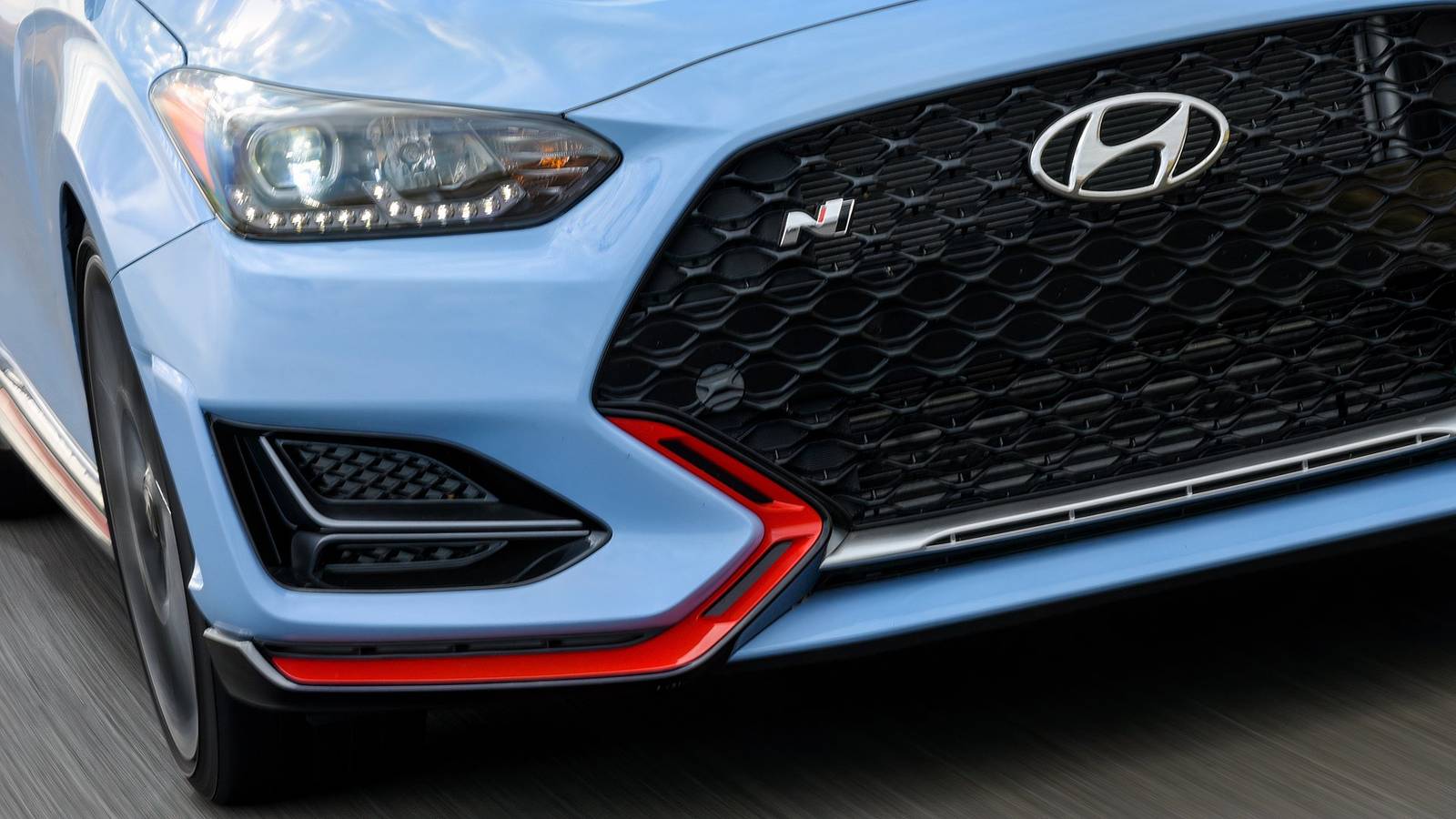
Hyundai currently sells three gas-powered N models in Australia: the i30 Sedan N (known stateside as the Elantra N) with 276 horsepower, the i30 N hatchback with the same potent powertrain, and the pocket-rocket i20 N packing 201 horses from a turbocharged 1.6-liter four-cylinder. That smallest N is currently exclusive to the Australian market.
And the per-car fine is almost laughably small in context. Across 39,863 vehicles imported, spanning both Hyundai and Genesis models, the penalty works out to just $106 per unit. Compare that to Mazda at $661 per car, Nissan at $776, or the eye-watering $7,308 per unit that Ferrari faces on its 108 Australian sales.
The broader picture is more sobering for the industry. Mazda topped Australia’s emissions shame list with $25.4 million in fines, followed by Nissan at $10.7 million and Subaru at nearly $7 million. About a third of all carmakers importing vehicles into the country missed the targets, which are set to tighten through 2029.
Donaldson acknowledged that Hyundai “hadn’t been able to maximize its EV sales just yet.” The brand shifted fewer than 2,000 electric vehicles in Australia during 2025, a fraction of sister company Kia’s 8,159 units. He expects the new Elexio electric SUV to do the heavy lifting on the compliance side going forward.
And here’s where it gets interesting for enthusiasts. Donaldson drew a direct line between EV sales and N car imports: sell more electrics, and he’ll order more N models. Every Ioniq 5 N or Elexio that rolls off the lot creates headroom for another screaming i30 N to land on Australian shores.
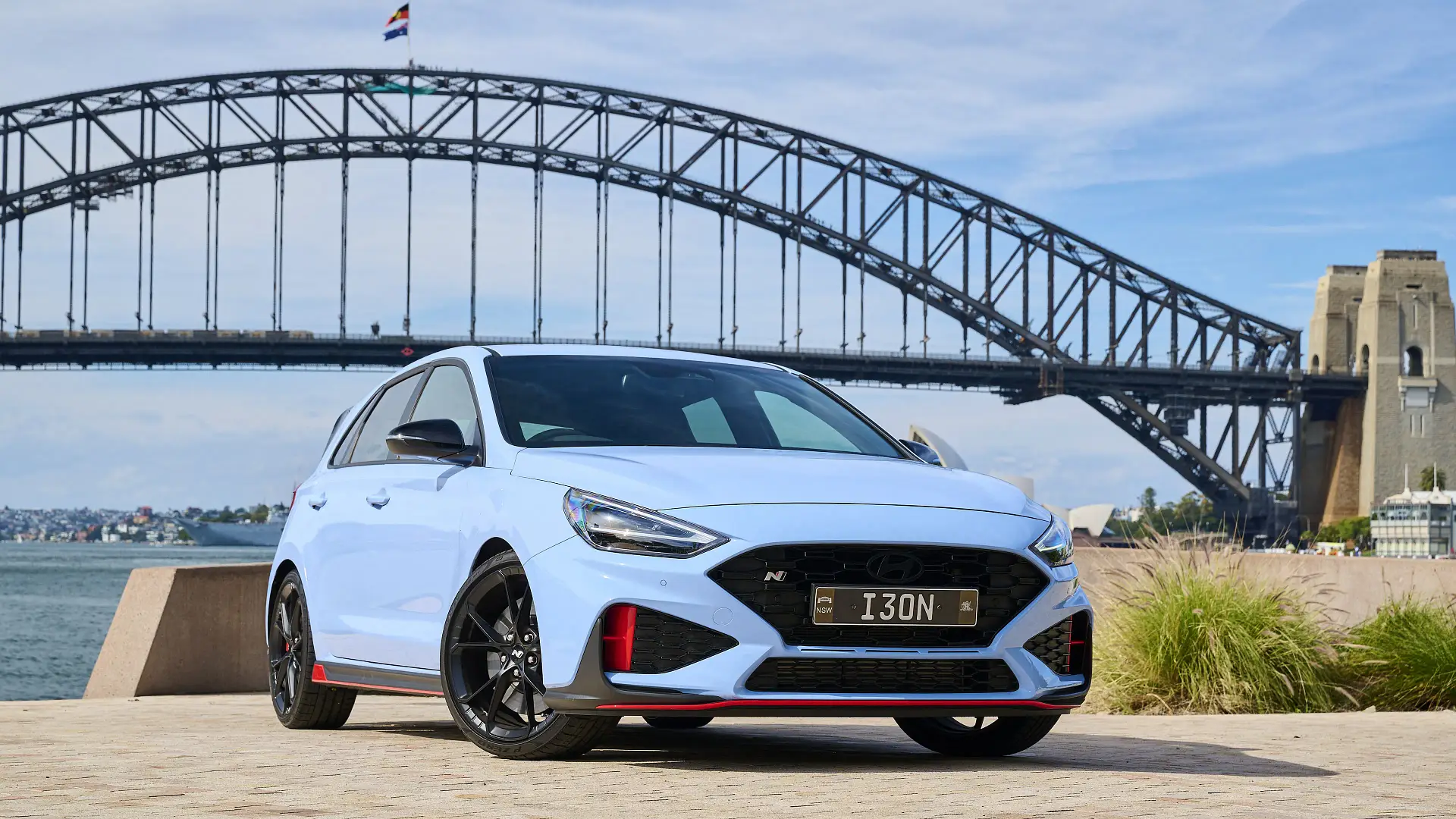
The company also holds its annual N Festival in New South Wales, a multi-day celebration featuring track days and driver coaching that has run every year since 2019. It’s exactly the kind of grassroots community building that turns customers into evangelists.
Under Australia’s NVES rules, fines are set at $50 per gram per kilometer of CO2 over the limit, calculated across a brand’s entire model range. Companies have three years to pay up or can buy credits from overachieving rivals like BYD, Toyota, or Tesla, which all banked significant surpluses.
Hyundai’s strategy is clear: use electrification profits and credits to subsidize the cars that make people fall in love with the brand. It’s a calculated bet that passion pays dividends no spreadsheet can fully capture. And at $106 a car, it might just be the cheapest marketing money Hyundai has ever spent.
Share this Story