
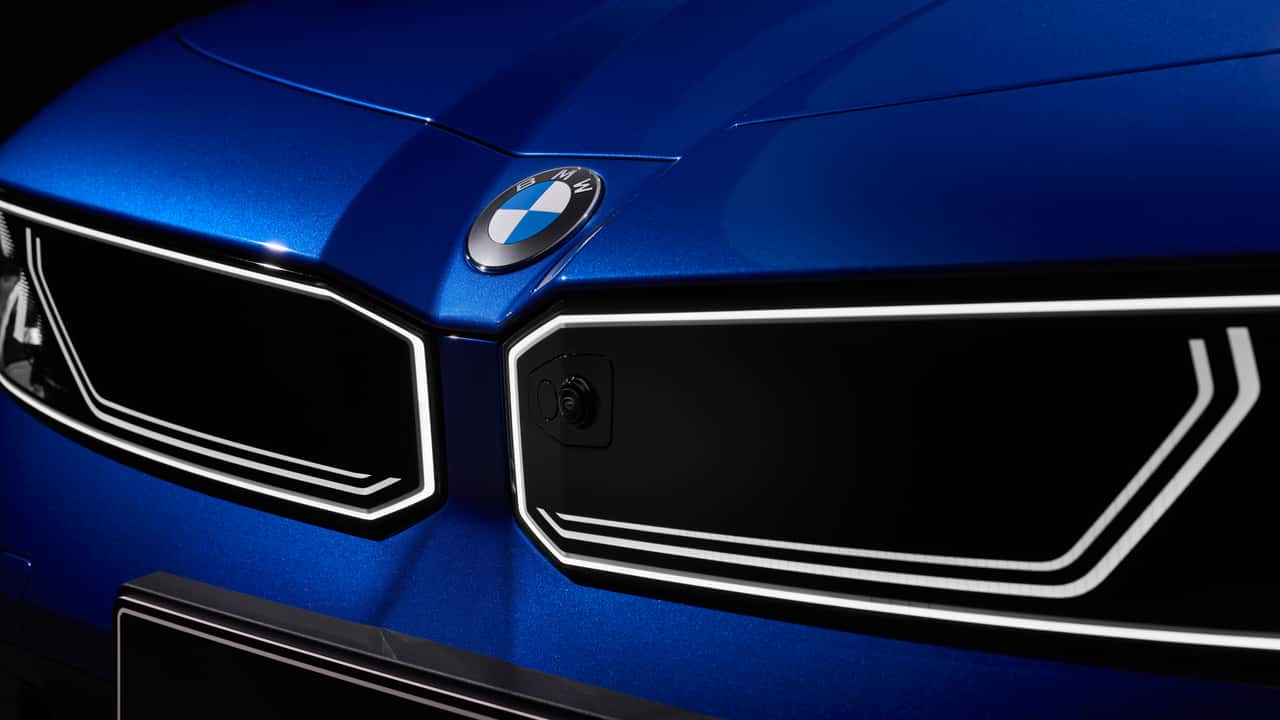


Nearly 200,000 BMW 1 Series hatchbacks found buyers last year. Not bad for a compact car that doesn’t even exist in North America. Now Munich is betting that number can grow by splitting its smallest model into two distinct animals — one electric, one combustion — and letting the market sort it out.
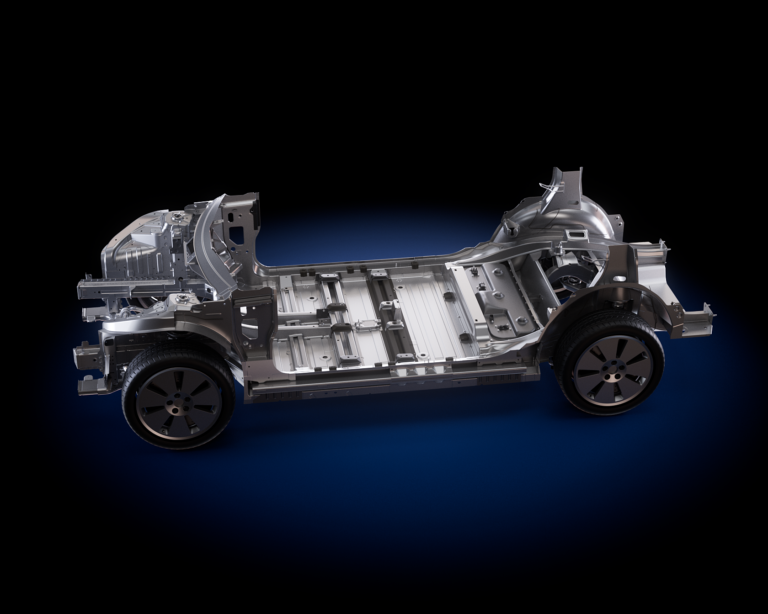
The next-generation 1 Series, expected around 2028, will ride on a dedicated electric platform with power routed to the rear wheels. BMW is tentatively calling it the i1. For purists who spent the last decade mourning the shift to front-wheel drive in BMW’s compact lineup, this is a quiet vindication — though not exactly the one they imagined. The rear-drive layout returns, but the inline-six and turbocharged four-cylinders do not. This 1 Series runs on electrons.
The combustion-powered 1 Series isn’t dying, though. BMW plans to keep it alive on an updated front-wheel-drive architecture, refreshed with Neue Klasse design language and the latest cabin technology, including the brand’s massive central touchscreen and windshield projection system. Both cars will look like they rolled off the same design brief, even though their platforms share nothing underneath.
This is BMW’s “Power of Choice” philosophy taken to its logical extreme. Rather than forcing customers into an EV to access the newest design and tech, Munich is ensuring the gas car doesn’t feel like yesterday’s leftovers. It directly addresses the resentment that builds when automakers treat their ICE models as afterthoughts propping up an electric transition.
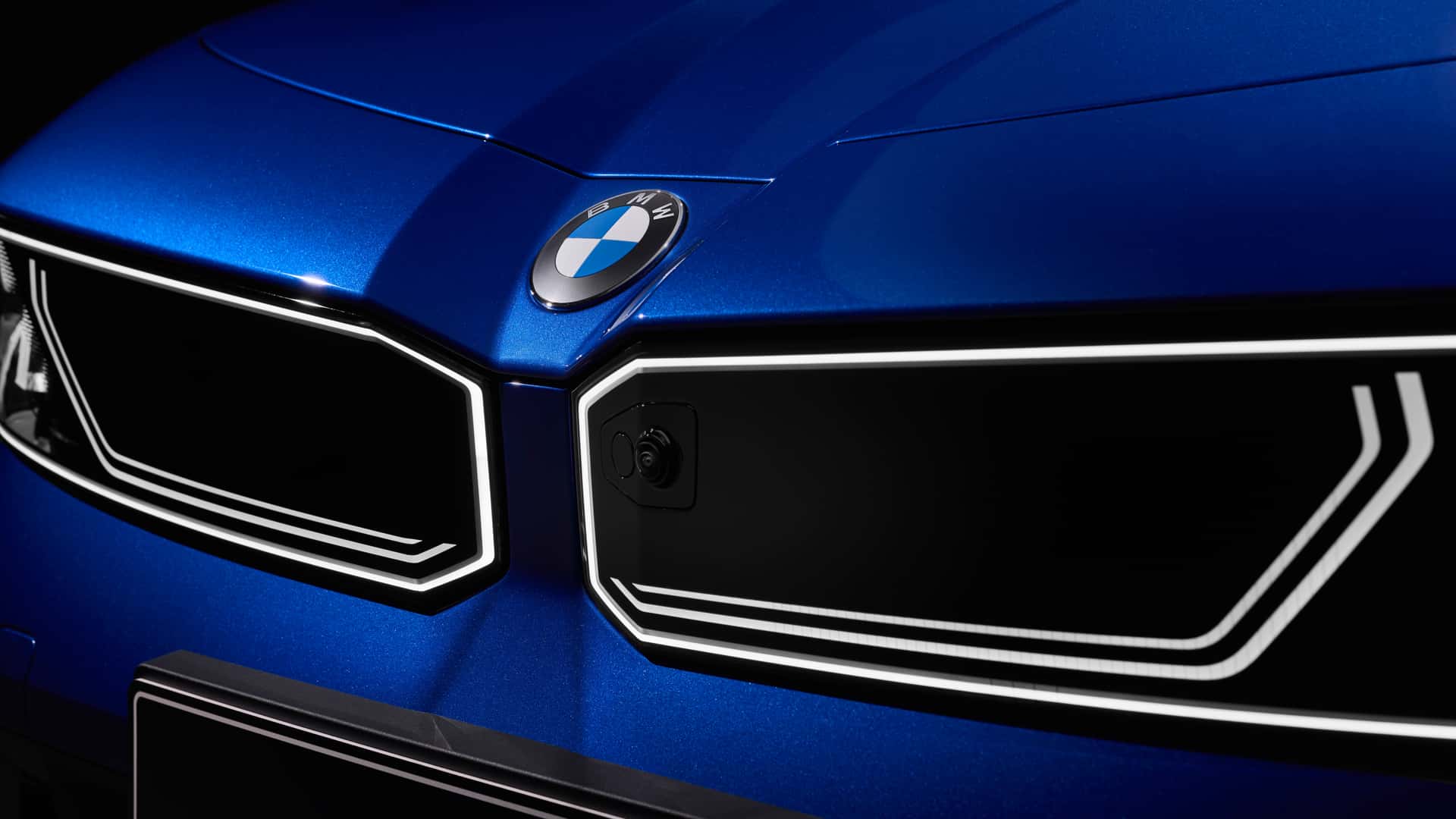
The i1 will slot in as BMW’s entry-level EV, picking up where the original i3 left off after its quiet death in 2022. It enters a segment that’s getting crowded fast. Audi’s electric A2 is due this year, and Mercedes is prepping a new A-Class with both electric and combustion variants. Of those three German rivals, only Mercedes is mirroring BMW’s dual-powertrain strategy at this end of the market.
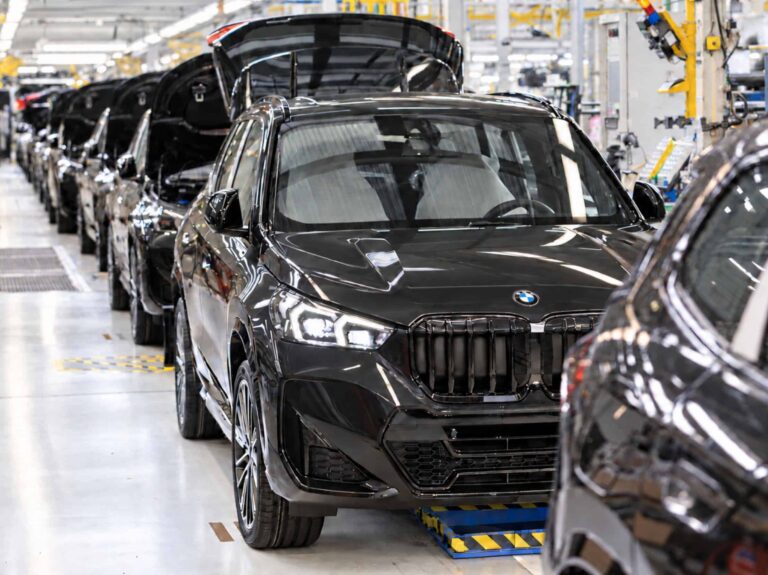
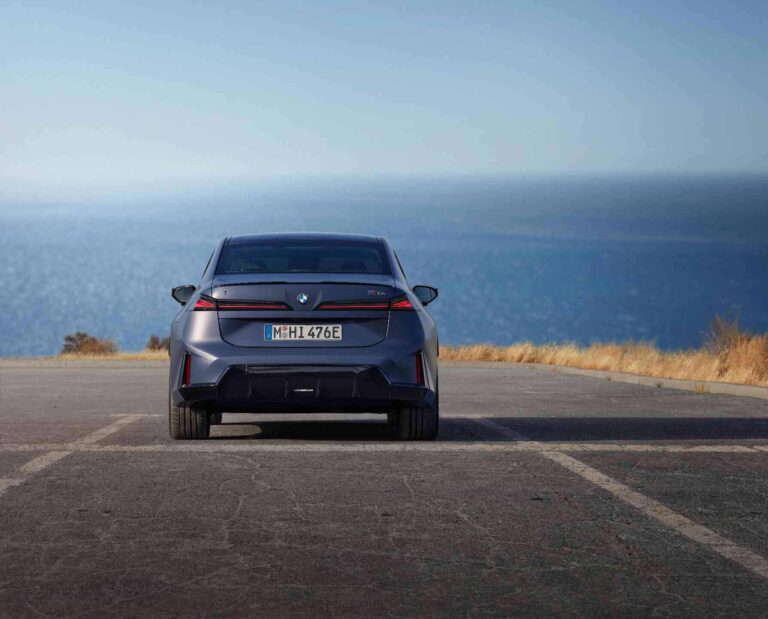
BMW has already road-tested this approach further up the food chain. The new i3 and the upcoming 3 Series will coexist on separate platforms while looking nearly identical. The X1 and iX1 follow the same script next year. It’s an expensive way to do business — maintaining two distinct architectures across an entire model range — but BMW clearly believes hedging is cheaper than guessing wrong.
While competitors who sprinted toward full electrification have been forced into embarrassing retreats — delayed EV launches, revived combustion programs, recalibrated timelines — BMW kept building gas cars without apology and steadily expanded its electric portfolio. No dramatic pivots. No public hand-wringing.
The 2028 timeline for the i1 suggests BMW isn’t rushing. The compact EV segment needs charging infrastructure and battery costs to catch up with the ambitions of automakers trying to sell electric hatchbacks at accessible prices. Launching late with a mature platform beats launching early with a compromised one.
Expect the 1 Series and i1 to eventually spawn sedan siblings as well. A next-generation 2 Series Gran Coupe paired with an electric i2 seems inevitable, extending the dual-platform logic one rung further.
BMW is running two car companies under one roof, and the complexity is staggering. But in a market where nobody can agree on what powertrain they want next, offering everything might be the only honest answer.
Share this Story