
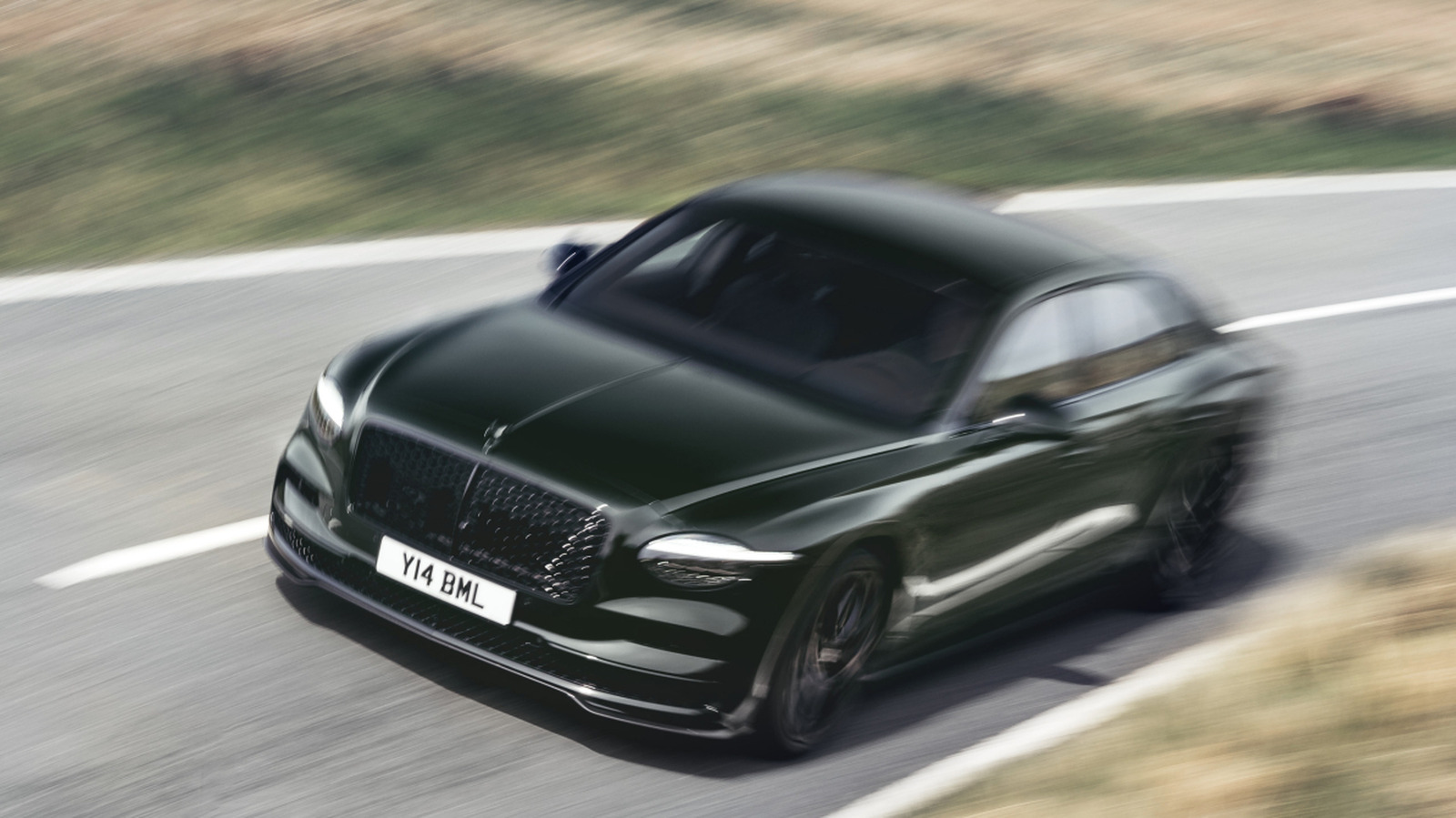


Bentley ditched its quad headlights on the refreshed Flying Spur, and nobody rioted. That quiet acceptance sparked a bigger question among Jalopnik’s readership: which automakers should be next to kill their sacred design cows?
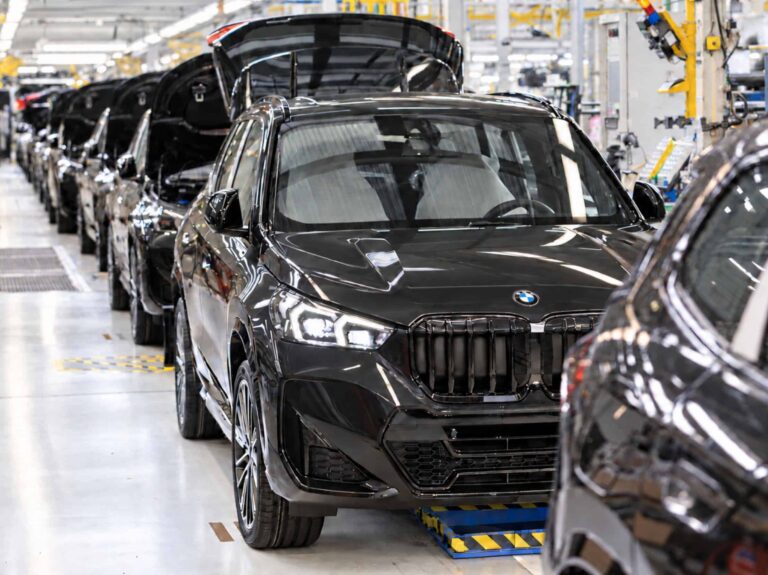
The answers rolled in, and BMW’s kidney grille topped the list with the force of a long-suppressed grudge. The split grille defined BMW for decades, but its bloated modern interpretation, the one that launched a thousand buck-teeth memes, has turned a heritage element into a punchline. The grille that once signaled driving precision now signals a brand that confuses size with presence.
Lexus caught heat for the spindle grille that swallows entire bumpers whole. One reader pointed to the current GX as proof the company already knows how to dial it back. The predator-mouth aesthetic works on a concept stage, but on a crossover in a Costco parking lot, it’s trying too hard.
Porsche drew a more provocative nomination. One reader argued the 911’s silhouette, sacred as it is, has become a creative straitjacket. The suggestion to look back toward the 924 and 944 for fresh inspiration isn’t blasphemy — it’s a reminder that Porsche once took bigger swings than filing down the same shape for six decades.
Buick earned praise for already executing the kill. Those fake fender portholes, cool in 1955, became tombstones for the brand’s relevance on anything built after 1990. The new SUV lineup buried them without ceremony, and nobody asked for flowers.
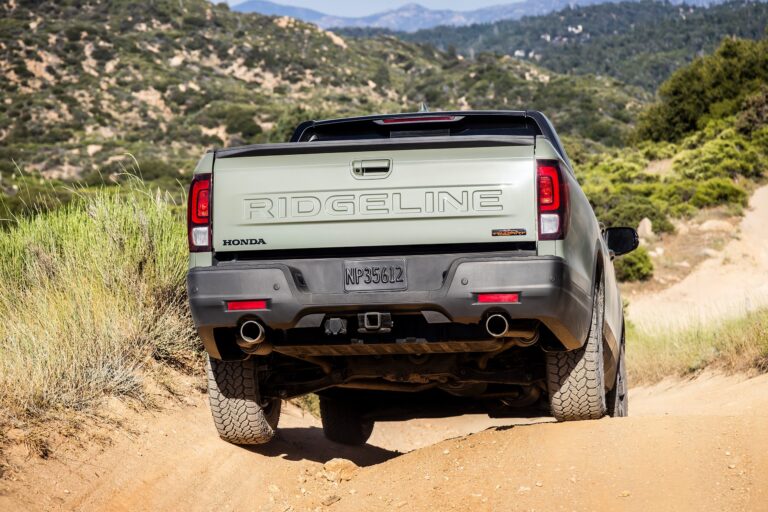
Pickup trucks as a category got called out for the arms race of oversized chrome grilles. Every full-size truck now wears a face designed to intimidate other vehicles into submission. The aesthetic peaked years ago, and now it just looks like insecurity measured in square inches.
Hyundai’s logo problem is real. The brand builds some of the sharpest-looking vehicles on the market, then slaps on a badge that screams 1996 regional bank. Kia took its lumps for the new logo, but at least it matches the car it’s sitting on.
Tesla’s nomination was less about design language and more about one man. Readers suggested the brand’s true signature element is Elon Musk himself, and that removing him would be the single biggest aesthetic improvement the company could make. It landed as a joke, but it carried weight.
Ford’s reader didn’t bother with styling at all. Their signature element? Recalls. That’s not design criticism — it’s ownership fatigue distilled into two words.
Mercedes got dinged not for anything the factory does but for the dented, battle-worn E-Classes circling Atlanta like rolling insurance claims. Subaru’s plastic wheel arch cladding rounded out the list, a feature that screams “adventure” on exactly zero vehicles parked at a trailhead.
Heritage elements only work when they evolve with the cars wearing them. Slap a legacy detail onto a modern body without rethinking scale, proportion, or context, and you get a costume, not a design. Bentley understood that, and readers are betting most of these brands will figure it out eventually — or get dragged there by buyers who already have.
Share this Story