
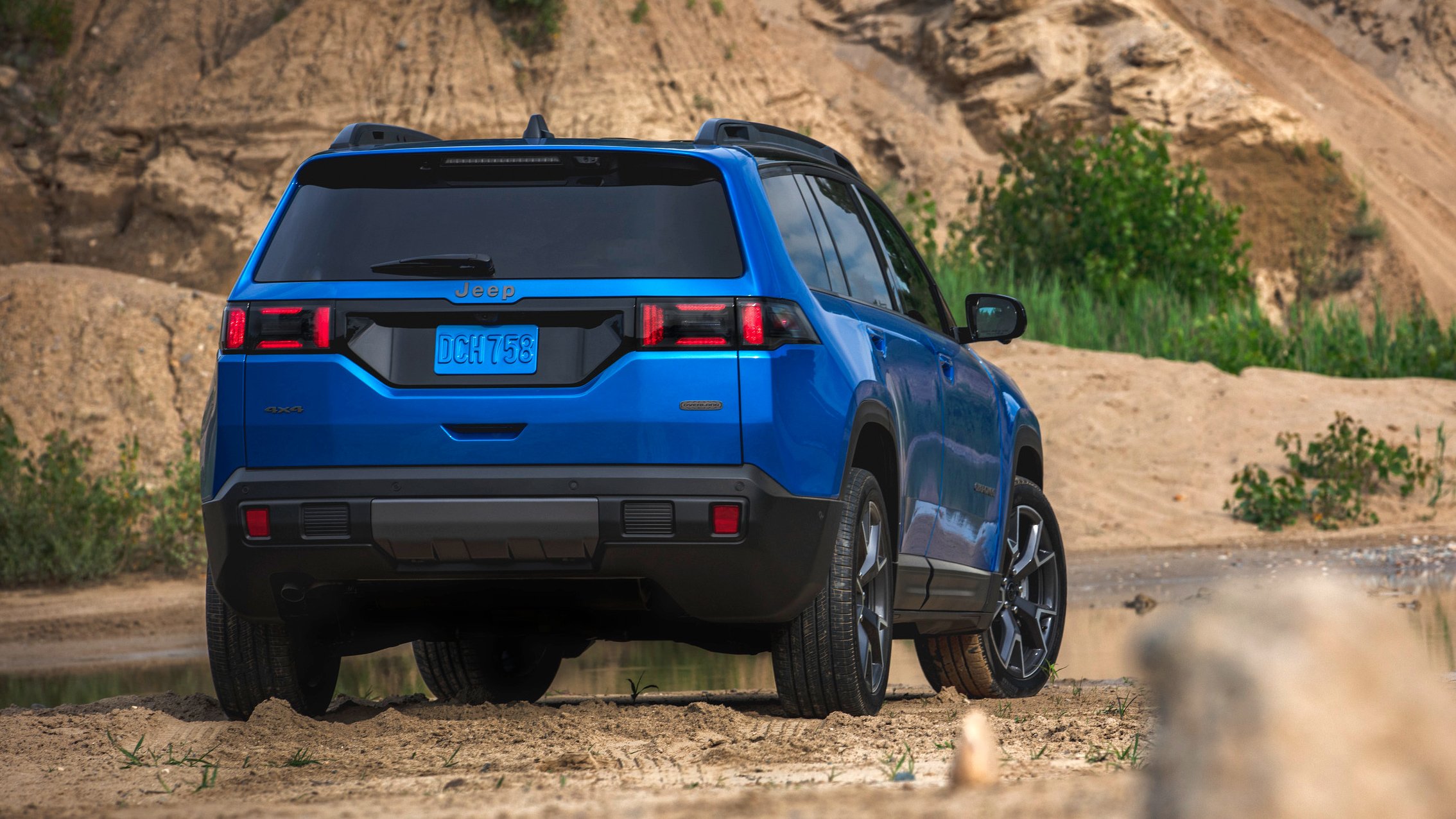


Stellantis just brought the Jeep Cherokee back for 2026 after a two-year gap, and it is already planning to kill it off and replace it by 2029. The sixth-generation SUV barely had time to reach dealer lots before its successor was penciled into the product plan.
The replacement will move production from Mexico to the Belvidere Assembly plant in Illinois, riding on the newer STLA One architecture. That timeline means the current Cherokee could end up as one of the shortest-lived generations in Jeep’s modern history. It’s a placeholder built on aging bones while Stellantis scrambles to get its next-generation platform into more showrooms.
The previous Cherokee ran from 2014 to 2023, giving it a nine-year life cycle. Its successor might not even see four. That ratio tells you everything about how rushed and reactive Stellantis product planning has become under pressure to consolidate manufacturing back onto American soil and onto fewer, more efficient platforms.
Belvidere has been at the center of Stellantis labor politics since the company shuttered the plant in early 2023, then promised to reopen it as part of the contentious UAW contract deal later that year. Slotting the next Cherokee there checks a political box and a labor obligation at the same time. Whether it checks the box for consumers who just bought a brand-new 2026 model is another question entirely.
Buyers who walk into a Jeep dealership today and finance a Cherokee over five or six years will be making payments on a vehicle that Stellantis has already decided to orphan. Residual values rarely thank you for that kind of corporate transparency.
The Cherokee situation is a perfect snapshot of the whiplash playing out across the Stellantis portfolio. Products arrive late, linger briefly, and get superseded by whatever platform consolidation demands next. The customer is expected to keep up.
Meanwhile, the broader Monterey weekend news cycle offered its own contradictions. Ferrari sold a Luce “Chassis 0” for $40 million at charity auction, dressed in bespoke white paint. The car has drawn intense criticism from purists who loathe its design language, but someone with very deep pockets clearly disagreed.
On the enthusiast front, Porsche North America CEO Timo Resch hinted that engineers might eventually find a way to mate a manual transmission with the brand’s hybrid powertrains, a pairing that is currently incompatible. It was a tease, not a promise. Lamborghini CEO Stephan Winklemann was far more blunt, saying manuals are “mostly for collectibles” and that Sant’Agata has no plans to offer one.
Two supercar makers, two very different readings of the same cultural moment around driver engagement.
Toyota issued a recall on the freshly launched bZ Woodland electric SUV over an electrical short that can simultaneously disable stability control and activate the brake lights without driver input. Not the first impression Toyota wanted for a vehicle meant to prove it can compete in the EV space.
In racing, Joey Logano won the NASCAR Cup Series at Richmond for Team Penske, while IndyCar saw Marcus Ericsson take the checkered flag at Ontario for Andretti Global.
Back in the Jeep showroom, the Cherokee sits on the lot with a sticker that says new and an internal memo that says temporary.
Share this Story