
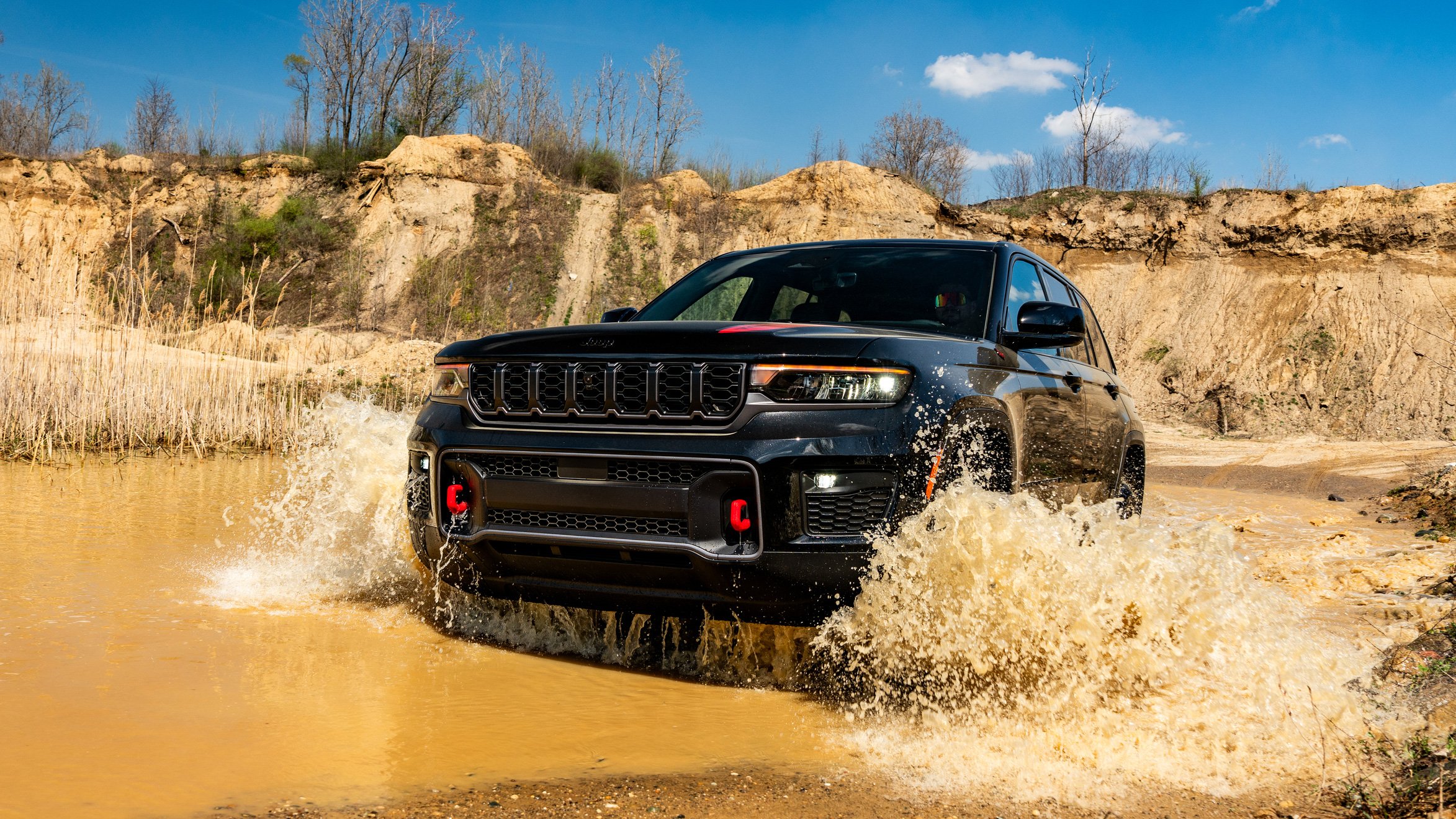


Stellantis posted a 10% global sales increase in the second quarter of 2026, but the real story is buried in the regional breakdown. North American shipments jumped 38% year over year, a number that would be remarkable for any automaker, let alone one that spent much of 2024 and 2025 stumbling through inventory crises and dealer revolts.
Refreshed Jeep and Ram models drove the surge, alongside the updated Chrysler Pacifica — a nameplate many had written off as an afterthought in Stellantis’s sprawling portfolio.
But Stellantis itself offered a caveat worth paying attention to. The company acknowledged that production was “somewhat elevated” to get ahead of factory pauses planned for later this summer. That’s corporate-speak for front-loading volume before the lines go quiet.
Whether those pauses are routine retooling or something more strategic, the admission tempers the headline number. A 38% jump looks different when some of that metal is sitting on dealer lots waiting for buyers who haven’t arrived yet.
The North American performance masked a more modest picture elsewhere. A 10% global gain built almost entirely on one region’s spike suggests the rest of Stellantis’s empire — Europe, South America, the Middle East — isn’t pulling with the same force. That imbalance is familiar territory for the company Carlos Tavares built and then departed.
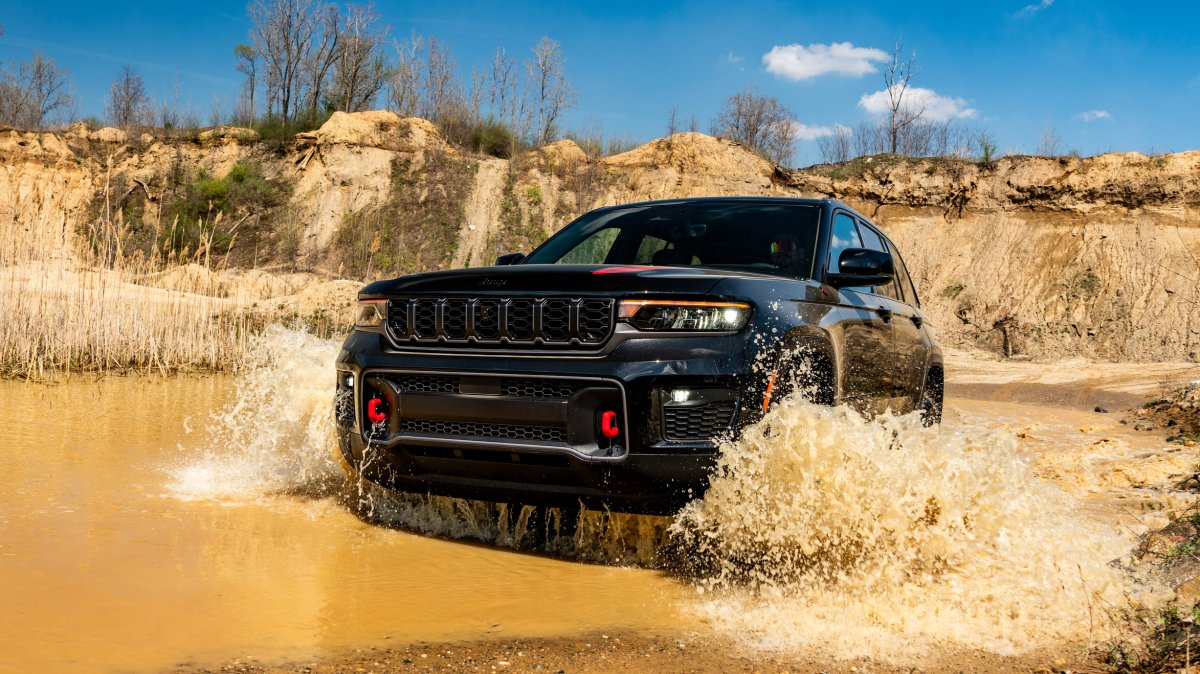
Jeep, in particular, appears to be running hot. The brand just introduced a new Laredo trim for the 2027 Wrangler, following up on a concept shown at this year’s Easter Jeep Safari. It arrives with 35-inch BFGoodrich KO2 tires, a one-inch lift, brown Nappa leather, and Mayan gold accents in both two- and four-door configurations.
It’s the kind of heritage-drenched trim packaging that prints money for Jeep when the product cycle is fresh.
Ram, meanwhile, has been clawing back share it lost during the chaotic 2024 transition period, when bloated inventories and stale product left dealers furious and customers shopping at Ford and GM lots instead. A refreshed lineup and more disciplined pricing appear to be having the intended effect.
The broader context matters. Stellantis is operating in a North American market distorted by tariff anxiety and pull-ahead demand. Consumers and fleet buyers alike have been accelerating purchases to beat potential price increases, a dynamic that flatters near-term numbers but borrows from the future. Every automaker enjoying a strong Q2 will eventually have to answer for it in Q3 or Q4.
Ford, for its part, is playing a different game in the region. The company just reached a tentative three-year deal with Canadian union Unifor, which chose to negotiate with Ford first because it had been “most committed to continuing its operations in Canada.” That’s a pointed statement aimed squarely at GM and Stellantis, both of which have drawn union ire over plant investment decisions north of the border.
Stellantis needed this quarter badly. After two years of management upheaval, margin compression, and a stock price that cratered, a strong North American number gives the new leadership team something to point to. The question is whether refreshed product and aggressive production scheduling represent a genuine turnaround or a sugar rush before the summer slowdown hits. The answer will come when those factory pauses arrive and the sales charts have to stand on their own.



Share this Story