
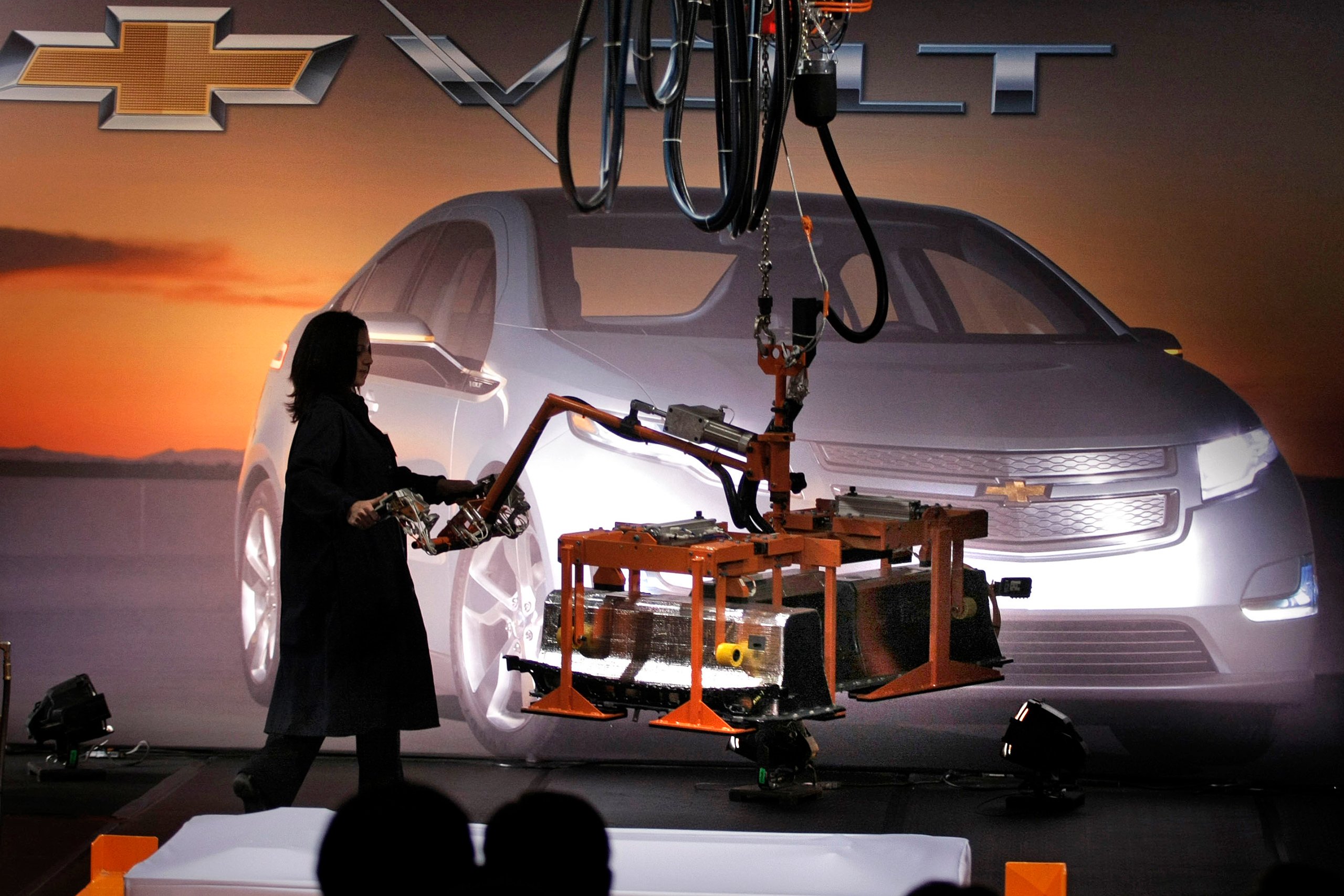


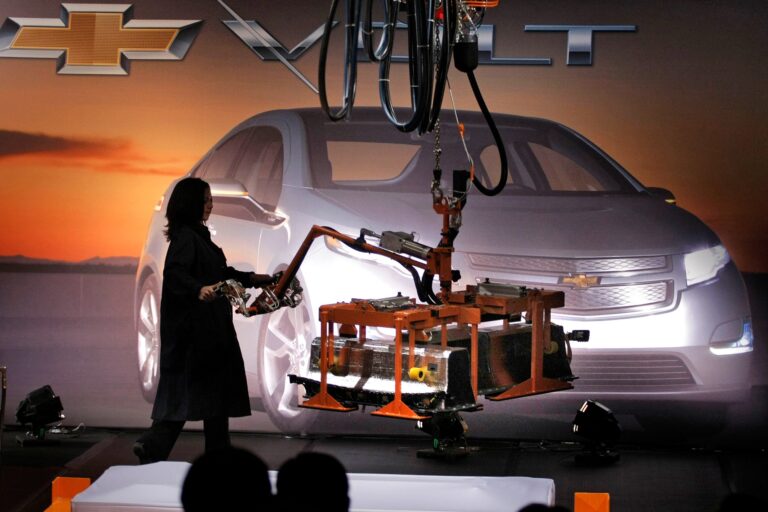
General Motors is closing its Brownstown Battery Assembly plant south of Detroit, a facility that opened in 2009 and built the first battery pack for the Chevy Volt in 2010. The plant most recently assembled battery packs and electric drive components for the Corvette E-Ray and Cadillac Celestiq.
The closure is the latest in a string of EV-related cutbacks by GM this year. In August, the automaker divested its battery plant joint venture with Samsung in Indiana. Brownstown’s shutdown follows the same logic: spend less on electrification, shore up the gas-powered lineup that still pays the bills.
Here is the uncomfortable part. While GM retreats, the market it is retreating from keeps growing.
EV market share rose from 6.2% in July to 6.5% in August, according to Automotive News data. Rivian, of all companies, climbed to second among EV brands thanks to early demand for its more affordable R2 SUV. A startup that nearly ran out of cash two years ago is now outselling most legacy automakers in the electric space.
GM once positioned itself as the company that would lead Detroit’s electric transition. The Ultium platform, the $35 billion investment commitment, the “zero crashes, zero emissions, zero congestion” mantra. Brownstown was where that story began, literally, with the Volt’s battery pack rolling off the line 16 years ago.
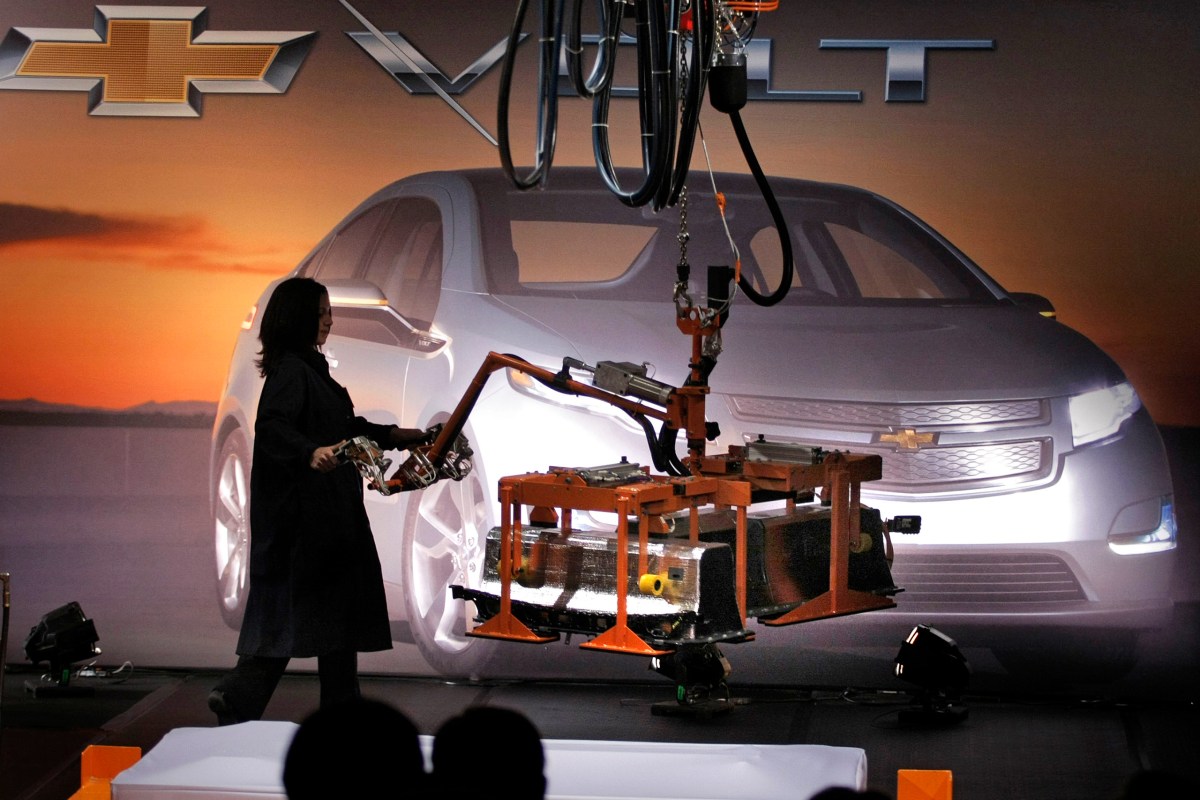
Now the company is dismantling that infrastructure piece by piece. Not because EVs failed, but because GM’s particular EV strategy did not deliver returns fast enough to satisfy the balance sheet. The Celestiq was a halo car that moved in tiny numbers.
The E-Ray is a hybrid Corvette, not a volume play. Brownstown served niche products, and niche products are the first casualties when the accountants sharpen their pencils.
The broader picture makes GM’s pullback look even more curious. Foxconn and Mitsubishi Electric just announced a 50/50 joint venture to co-develop EV platforms for global sale. Volkswagen, despite stumbling with its Xpeng collaboration in China where the ID UNYX 08 is averaging only 270 units a month against a target that required roughly 720, has not abandoned the partnership or the strategy.
Everybody else is still pushing chips to the center of the table. GM is cashing out.
There is a version of this story where GM’s discipline looks smart in hindsight, where the company avoids burning capital on a transition that takes longer than the optimists promised. There is another version where GM looks up in three years and finds that Rivian, Hyundai, and a dozen Chinese brands have locked up the customers it walked away from.
Brownstown’s closure is not just a plant shutting down. It is GM conceding that the facility where its electric ambitions were born no longer fits the company’s plans. The building opened when Barack Obama was in his first term and GM was fresh out of bankruptcy, betting everything on an electrified future.
That bet is still on the table. GM just decided someone else can make it.
Share this Story