
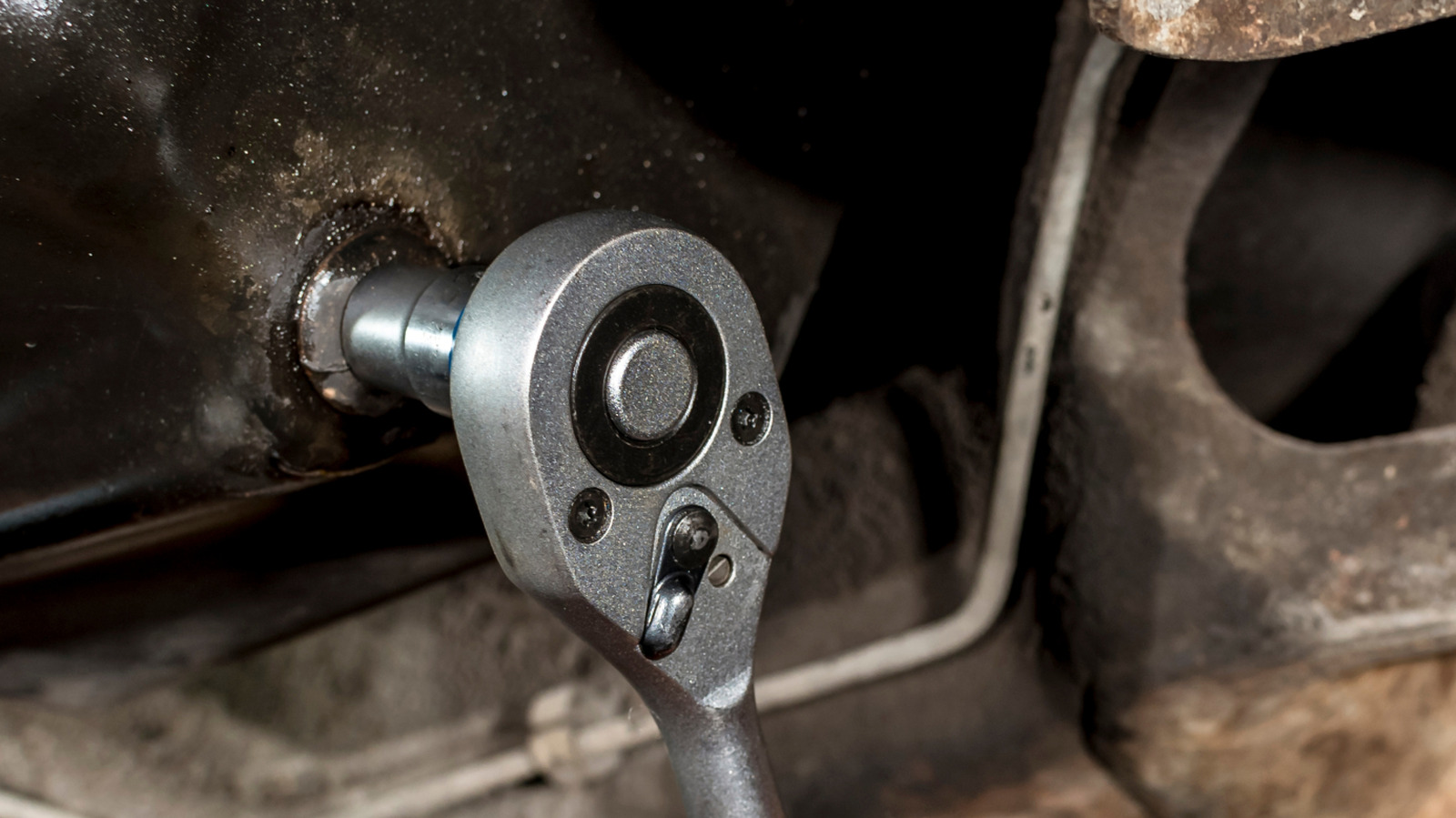


Nissan put a brass-threaded insert in a plastic oil pan on the third-generation Rogue, paired it with a traditional metal drain plug, and watched owners and technicians crack pans by overtightening. In 2025, the fix arrived. More plastic.
The current answer is an all-plastic oil pan sealed by a one-use plastic drain plug. Nissan now specifies that design as the replacement for earlier third-gen Rogues too.
So the cure for a plastic pan that broke too easily is a plastic plug you throw away every time.
On paper, the logic holds up. A metal bolt spun into plastic threads is a stripped pan waiting to happen, and anyone who has felt a drain plug suddenly spin free at the end of an oil change knows that sinking feeling.
The single-use plug avoids all of it. It makes a quarter turn and locks, with no threads to strip and no bolt to cross-thread. It also takes the torque wrench out of the hands of someone in a hurry.
Same seal, every time. That consistency is the selling point, and for the people who build the cars, there’s a bonus: these plugs are cheaper to produce.
The owner gets a different bill. Every oil change now requires a new plug, because the old one is not meant to go back in.
Take that instruction seriously. A reused plug can let go on its second tour, dump the oil, and leave the engine running dry until it seizes.
An oil change is the most routine job in car ownership. It’s the one task a driveway mechanic with a socket set and a drain pan has always handled without a parts run. Plastic chips away at that in small ways that add up.
Nissan isn’t alone in the plastic pan business. BMW, Dodge, Ford, and Mercedes-Benz have all moved to plastic oil pans on at least some models.
Expect plastic drain plugs to follow those pans elsewhere, for the same reason Nissan made the switch. Strip the threads on a plastic pan and the remedy isn’t a thread repair kit. It’s a new pan.
That replacement runs hundreds of dollars, sometimes more. Against that, a new plug adds a few bucks to each service. Framed that way, the math favors the disposable part.
But the math only works because the pan became fragile in the first place.
Not every automaker agrees. Honda still tells owners to reuse the drain plug and simply swap in a new washer, the same routine mechanics have followed for generations.
That split leaves owners with homework. The right procedure now depends on the badge on the grille, the model year, and sometimes which version of the oil pan sits under the engine.
Follow the manufacturer’s guidance and the system works. Assume your new car takes an oil change the way your last one did, and a 50-cent habit could cost you an engine.
For automakers, the plastic plug kills a warranty headache and trims cost. For owners, it fixes a problem they didn’t create while adding a recurring charge they didn’t ask for.
Next time a shop hands over the invoice, look for the drain plug. On more and more cars, it will be there, every single time.




Share this Story