
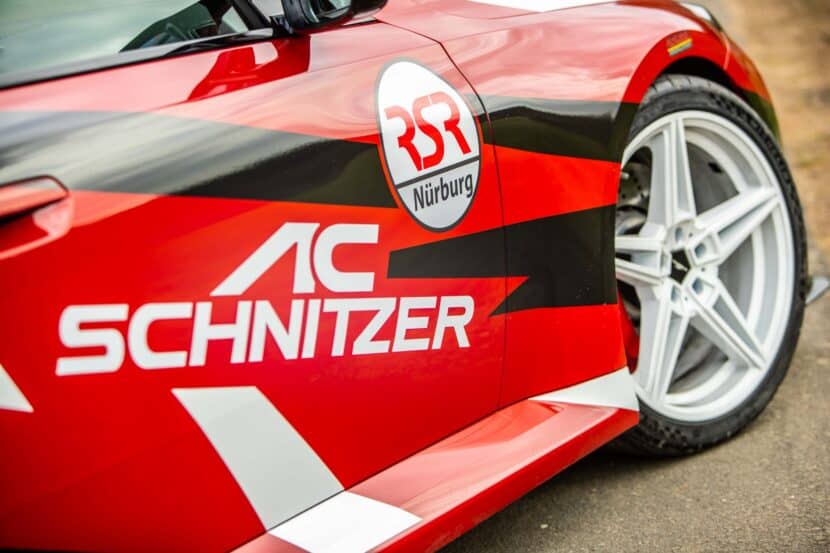


Herbert Schnitzer died on his 85th birthday. That detail alone tells you something about the man’s timing — he spent five decades on a pit wall reading races better than anyone alive, and he picked his exit with the same precision.
The co-founder of Schnitzer Motorsport passed on June 5, 2026, at home in Freilassing, Germany, surrounded by family. The news came from Uwe Mahla, a former BMW press officer who’d known him for over half a century. No corporate statement from Munich. Just a man who’d been there.
They called Herbert “the Patron.” They also called him the man with the “golden bladder” — a nickname earned by sitting on the pit wall with a lap chart for entire 24-hour races without getting up. Gerhard Berger called him the soul of Schnitzer. Dieter Quester called him a hard-nosed businessman. Nobody said those two descriptions contradicted each other.
Herbert and his older brother Josef took over the family BMW dealership in 1966. Racing came a year later. Josef engineered the cars. Herbert ran the money.
The split worked beautifully — Josef became German circuit racing champion in a BMW 1800 TISA, and together they developed a Formula 2 engine good enough that Jacques Laffite won the 1975 European F2 title on Schnitzer power, beating BMW’s own factory engines.
Then Josef was killed in a road accident in 1978. Not his fault. The team won the German Touring Car Championship that same year with Harald Ertl. You can frame that as resilience. It was also a man who had nowhere to put his grief except back into the stopwatch.
The résumé that followed reads like a motorsport encyclopedia: European and World Touring Car Championships, titles in Britain, Italy, Japan, and the Asia-Pacific series, the American Le Mans Series. In 1999, Schnitzer’s BMW V12 LMR won Le Mans outright with Dalmas, Martini, and Winkelhock. The drivers who rotated through that garage — Bellof, Berger, Cecotto, Ickx, Ludwig, Piquet, Röhrl, Stuck, both Müllers, both Winkelhocks — constitute a hall of fame unto themselves.
His half-brothers, twins Dieter and Karl “Charly” Lamm, who ran race operations in the team’s later years, died before him. Dieter in 2014, Charly in 2019. Herbert was the last of four brothers who built one of the most successful privateer operations in touring car history.
Schnitzer closed its racing program at the end of 2020. Herbert had kept it alive longer than the economics justified. The team had returned to the DTM in 2012 after years away and immediately swept the drivers’, manufacturers’, and teams’ championships. It didn’t matter. The money dried up anyway, the way it always does for independent teams that don’t own their own series or their own broadcaster.
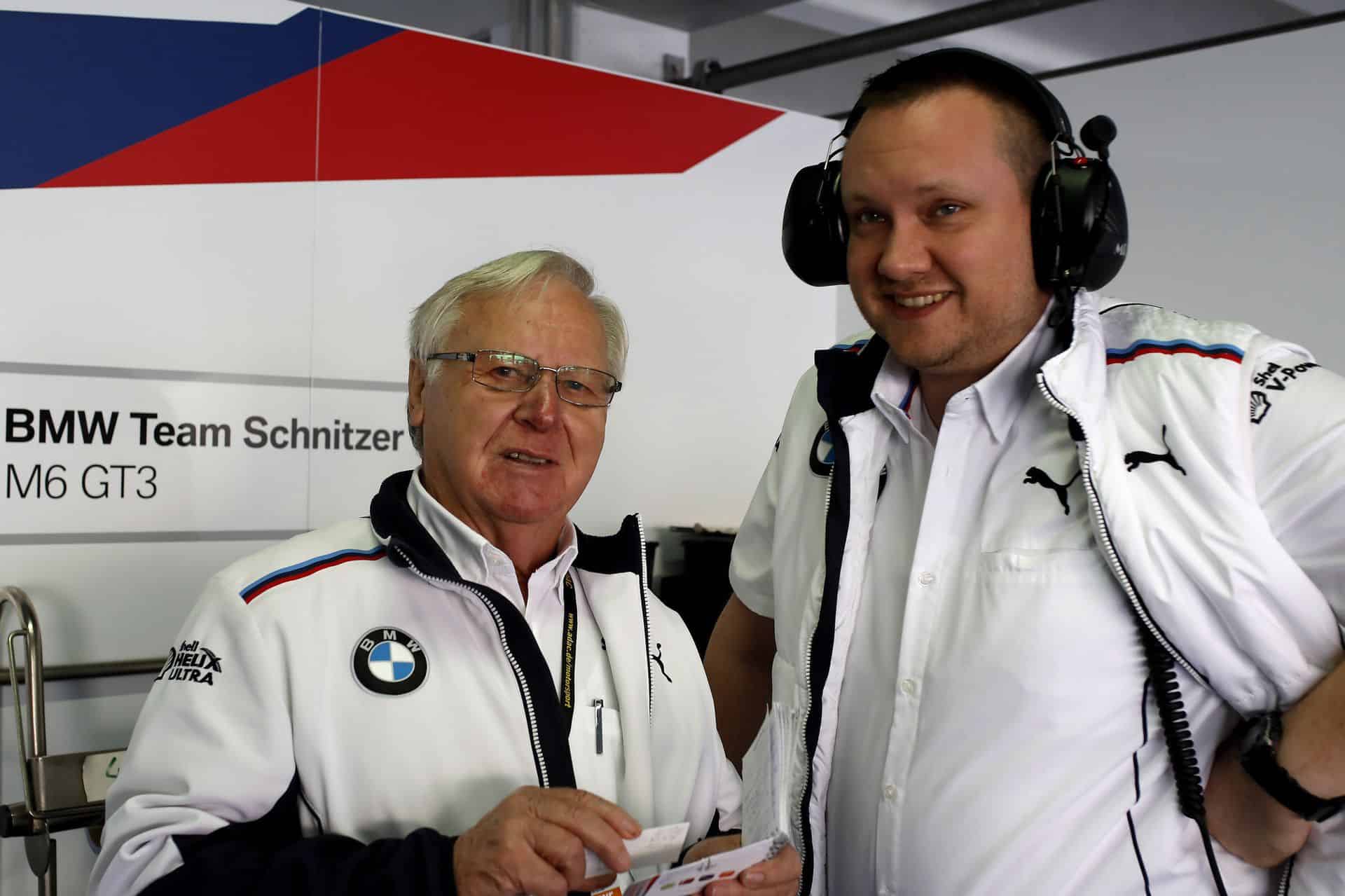
In his final years, Herbert watched motorsport on television. His longtime companion Peter Reinisch drove him to his regular table. He kept up with old friends — and in a sport that chews through relationships as fast as tire compounds, the fact that he still had old friends says plenty.
Fifty-three years of racing. One family name on the door. Four brothers, now all gone. The modern BMW motorsport operation is a corporate entity with global activation strategies and content partnerships. Schnitzer Motorsport was a dealership family that built race cars in Bavaria and beat factory teams on their own circuits. That world doesn’t exist anymore, and now neither does the last man who made it work.




Share this Story