
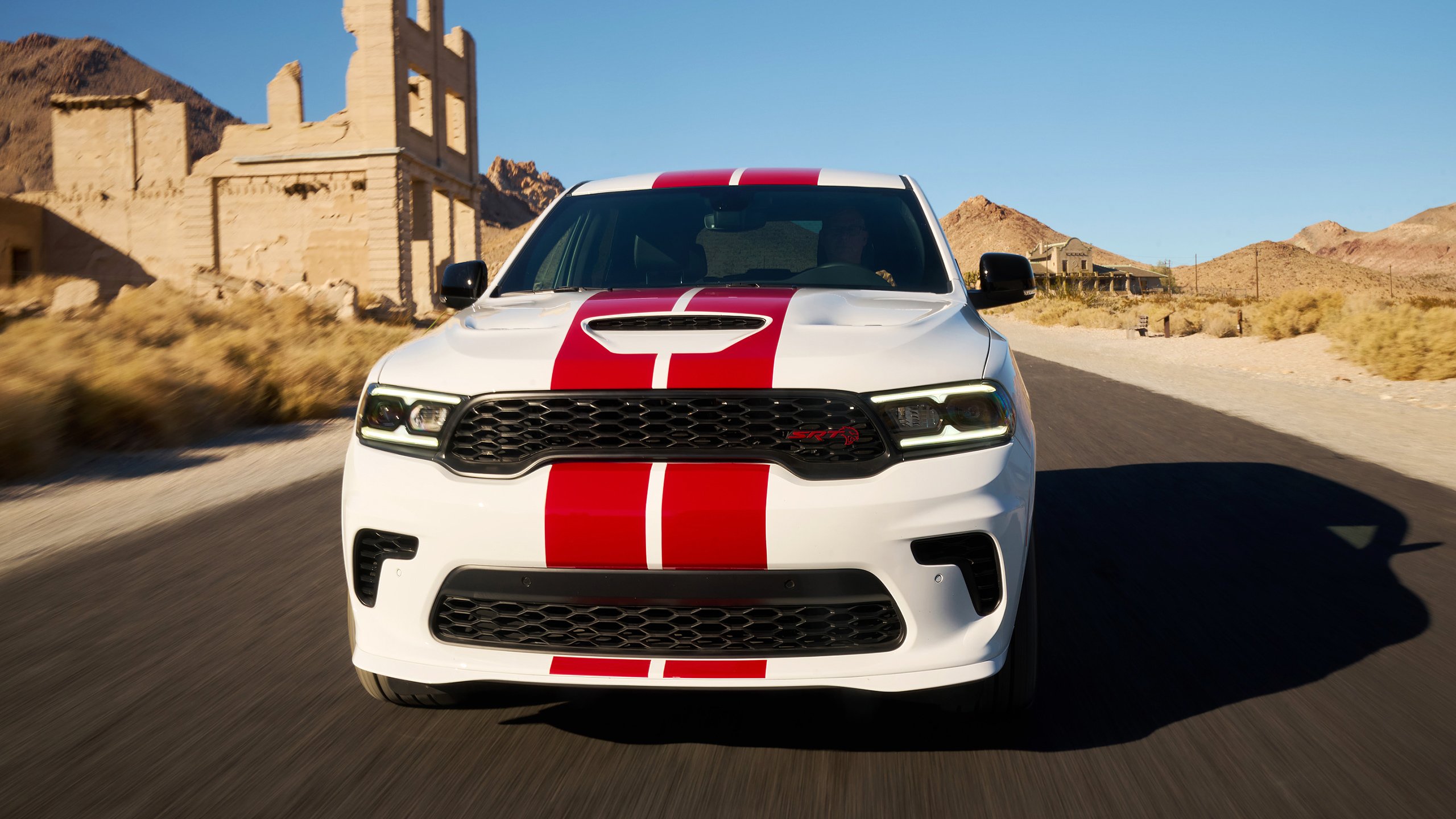


Somewhere in Auburn Hills, a product planner is staring at a spreadsheet and wondering why anyone would greenlight a replacement. The third-generation Dodge Durango, a vehicle old enough to have its learner’s permit, just posted its best first-half sales in 20 years. Stellantis moved 38,575 units between January and June, a clip not seen since 2006.
Let that sink in. A body-on-frame SUV designed during the Obama administration is selling like it’s fresh off the auto show turntable.
The Durango’s resilience is one of the stranger stories in modern automotive retail. It rides on a platform that traces its lineage back to the Mercedes-Benz ML-Class era of the DaimlerChrysler marriage. Its interior has been refreshed, its tech updated in increments, and its Hemi V8 lineup has remained the one constant buyers keep coming back for.
In a segment where the competition has turned over entire generations twice, the Durango just keeps grinding. Nobody else offers quite this combination anymore. A three-row SUV with a V8, rear-wheel-drive architecture, and a tow rating that actually means something occupies a peculiar niche.
The Ford Explorer went turbo four-cylinder mainstream. The Chevy Traverse is a front-drive crossover in a body kit. GM killed the Blazer’s V8 aspirations before they ever existed. The Durango’s stubbornness has become its competitive advantage.
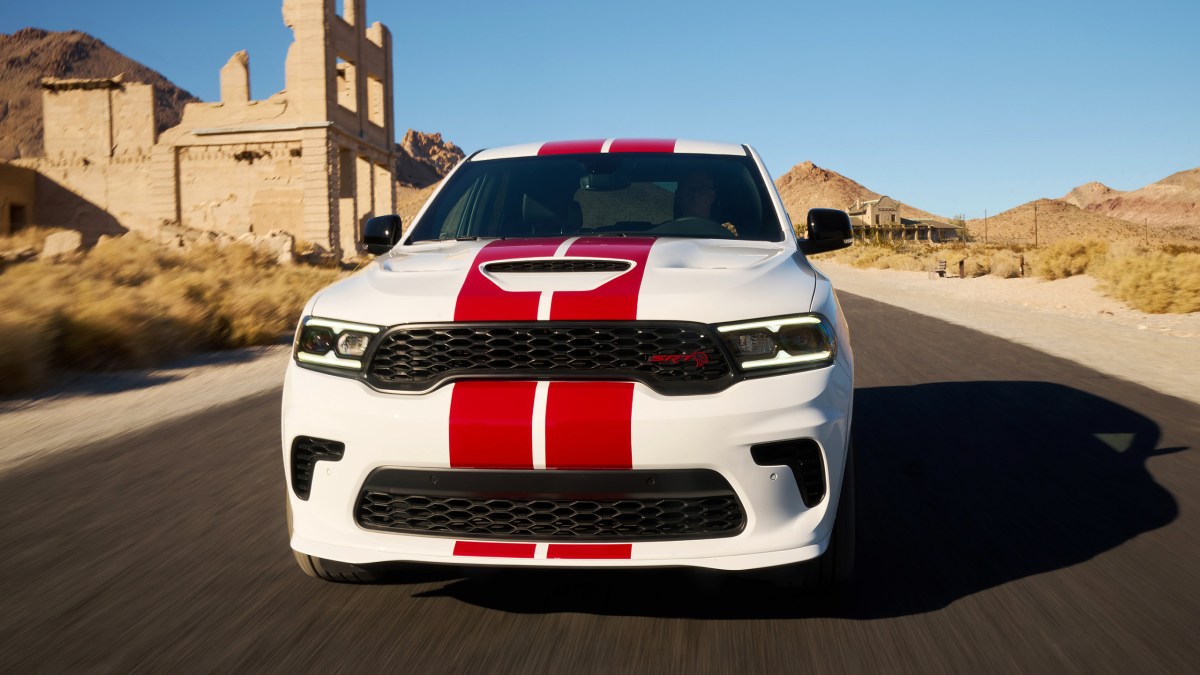
Then there’s price. Stellantis spent much of 2024 and 2025 eating crow over bloated MSRPs and choked dealer lots, slashing stickers and piling on incentives across the lineup. The Durango benefited.
When a vehicle’s tooling has been amortized for over a decade, there’s margin to play with that newer models simply don’t have. Buyers noticed.
The timing is awkward for Stellantis, which has publicly committed to electrifying the Dodge brand and already launched the Charger Daytona EV to mixed reviews and modest take rates. The company needs the Durango’s cash flow, but every unit sold reinforces the argument that the old formula still works. It’s the internal contradiction that haunts every legacy automaker trying to pivot: your most profitable products are the ones you’re supposed to be phasing out.
Whether Stellantis can translate this demand into a next-generation Durango, or whether it even wants to, remains the open question. A replacement has been rumored for years, variously described as a unibody crossover, a plug-in hybrid, or vaporware. Meanwhile, the current truck just keeps stacking numbers.
Twenty years between sales peaks for the same generation of vehicle isn’t a product cycle. It’s a geological era. The factories that stamp Durango body panels have outlasted two CEOs, a merger, a demerger, and an entirely new corporate parent.
The dealers who couldn’t give them away during the sedan-to-crossover panic of the mid-2010s are now watching them leave the lot before the detail crew finishes wiping them down.
The Durango doesn’t care about your product roadmap. It doesn’t care about your EV targets or your platform consolidation strategy. It just sells. And at 38,575 units in six months, it’s selling with an enthusiasm that should make Stellantis deeply proud and mildly embarrassed in equal measure.

Share this Story