
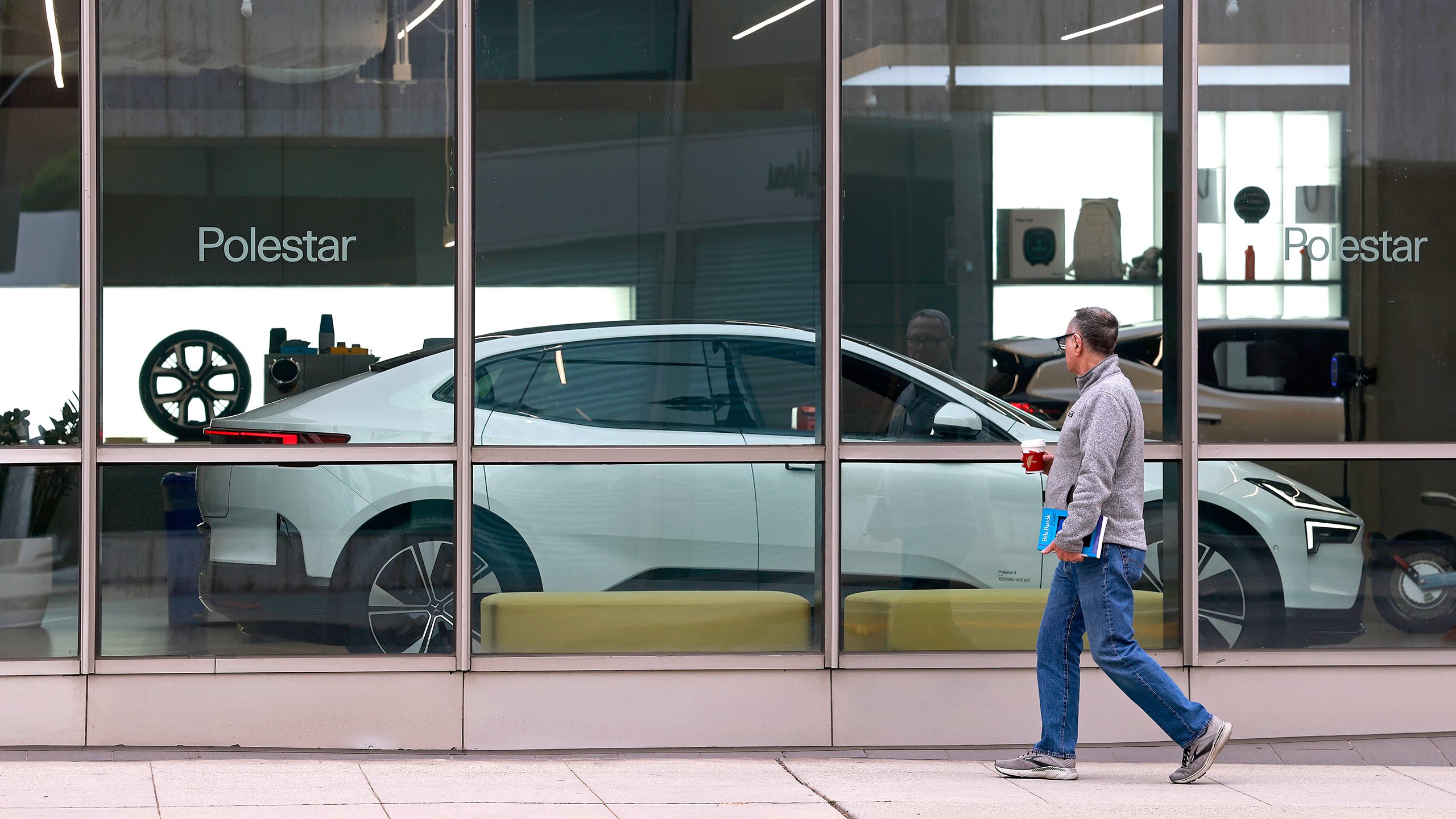


Polestar told its dealers last week it still has no explanation for why the U.S. government effectively banned it from the American market while Volvo, a brand sharing the same Chinese parent company, continues to sell cars without interruption.
“We are currently focusing on getting the attention of the Commerce Department to obtain the requested information and to understand the underlying basis for the denial,” said Peter Wexler, Polestar’s head of product, retail network, and government affairs, according to The Wall Street Journal.
Both Polestar and Volvo are owned by Geely, the Chinese automotive giant. Both build vehicles with varying degrees of Chinese supply chain involvement. Yet only one got shut out, and the Commerce Department has not publicly clarified the distinction.
That silence is corrosive. Polestar is a small-volume EV brand already fighting for survival in a brutally competitive market. Being locked out of the world’s most profitable car market, with no clear path back in, is not a regulatory inconvenience — it is an existential threat.
The situation raises uncomfortable questions about how the federal government is drawing its lines on Chinese automotive influence. If the concern is data security, connected vehicle technology, or software sourced from China, those issues don’t respect brand boundaries within the same corporate family. If the concern is manufacturing origin, Polestar builds some vehicles in China while Volvo’s U.S.-sold models largely come from plants in Sweden, Belgium, and South Carolina.
That distinction might explain the split, but the government has not confirmed it. Dealers caught in the middle are left selling a brand with no certainty about its future inventory pipeline. Customers who already own Polestars face questions about long-term parts and service support.
This is playing out against a broader backdrop of escalating trade hostility. Canadian auto suppliers took heavy hits this week as tariff threats intensified. Magna’s stock dropped 6.6 percent, Linamar fell 8.3 percent, and Martinrea shed nearly 10 percent.
The entire North American supply chain is being reshaped by policy decisions that move faster than factories can adapt.
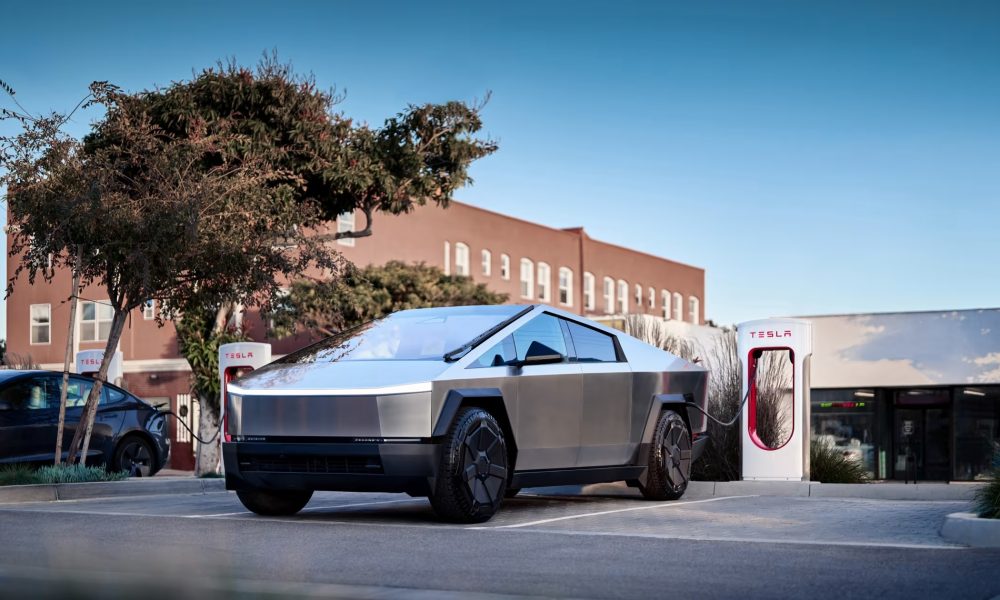
Tesla, meanwhile, raised the Cybertruck’s price by $5,000, pushing the base dual-motor model to $74,990. Since a limited-time offer in February, the cheapest Cybertruck has climbed $15,000. Demand elasticity, meet Elon Musk’s pricing strategy.
Over at Volkswagen Group, CEO Oliver Blume and brand boss Thomas Schäfer stood before 10,000 workers at a German town hall urging the company to “pull together” through restructuring. They were booed. When management asks for solidarity while cutting jobs, the shop floor tends to have a different vocabulary for it.
Land Rover pushed the next-generation Defender back by two years, meaning a replacement for the SUV launched in 2019 won’t arrive until the early 2030s. Given that the original Defender sold from 1983 to 2016, Land Rover’s product cadence has always operated on geological time.
But the Polestar story is the one that lingers. A brand caught between geopolitical forces it cannot control and a bureaucracy that will not explain itself. Wexler’s carefully worded statement is the kind of language companies use when they are out of options and trying not to sound desperate.
Whether the Commerce Department responds, and what it says if it does, will determine whether Polestar has an American future at all.

Share this Story