
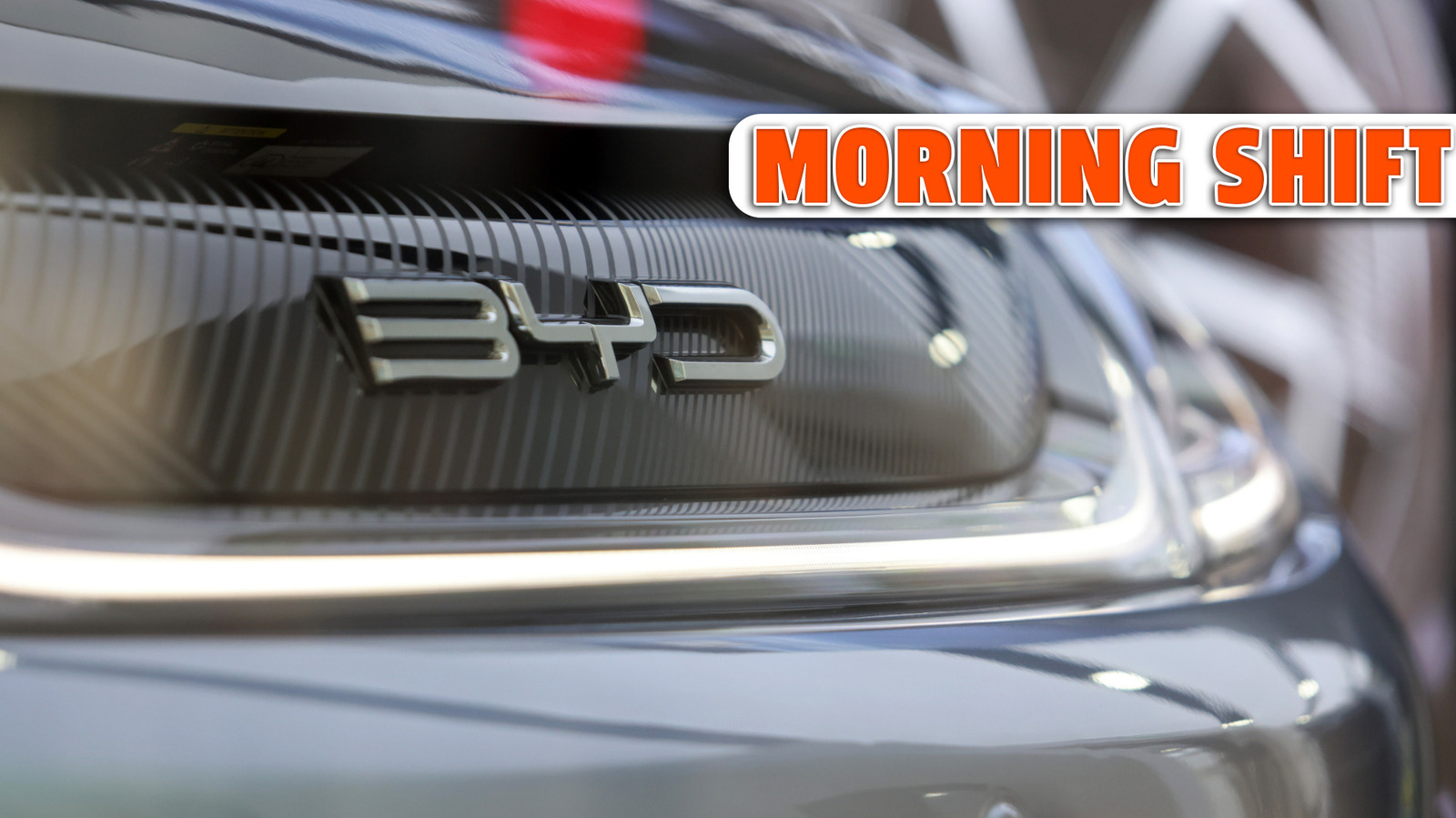


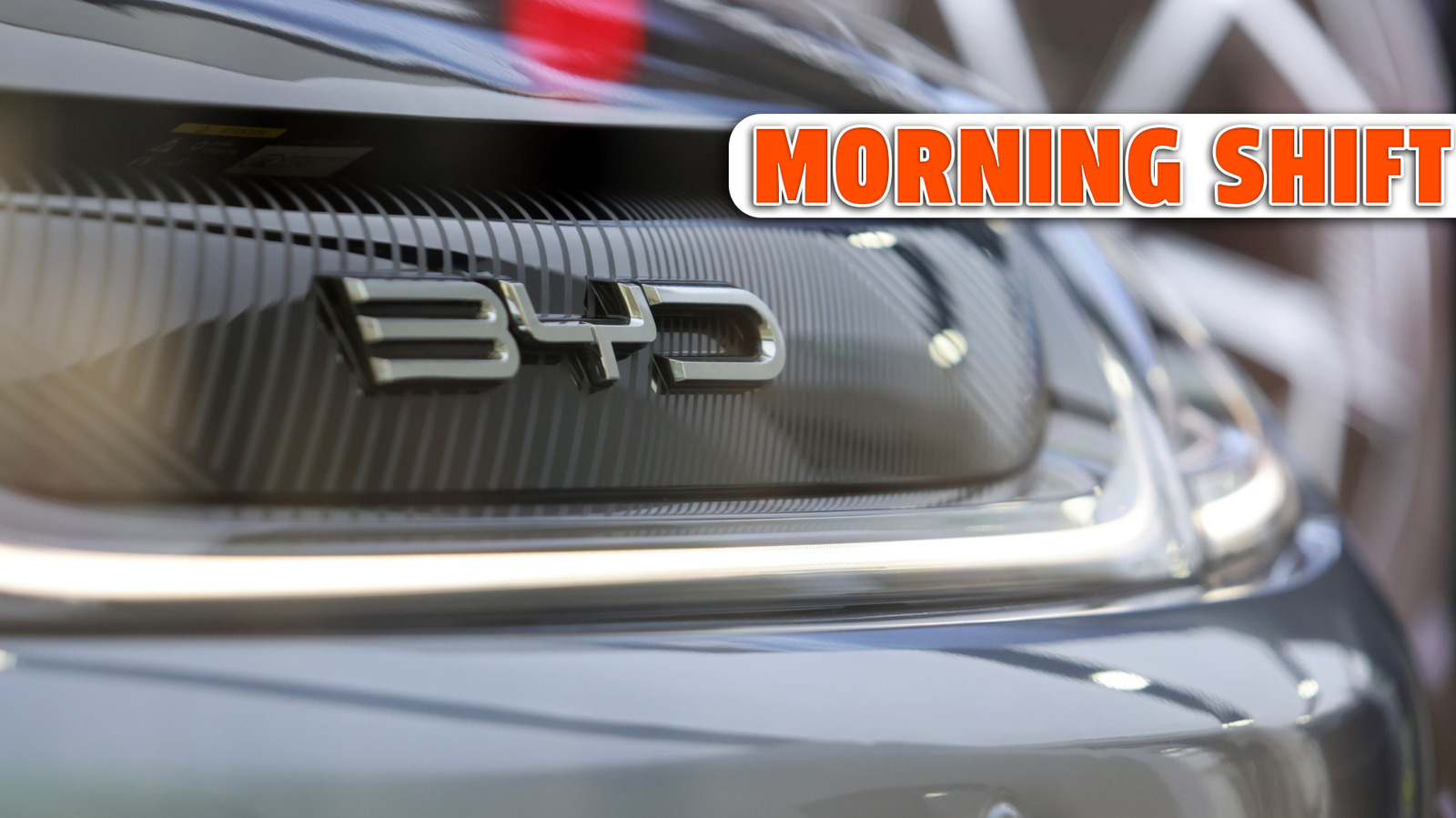
BYD delivered 557,090 battery-electric vehicles in the second quarter of 2026. Tesla is expected to report roughly 396,500 when its numbers drop next week. That’s a gap of more than 160,000 units, and it signals the Chinese automaker is about to reclaim the global EV sales title it briefly lost earlier this year.
The two companies have been trading the crown like a heavyweight belt since late 2024, when BYD first surpassed Tesla in pure EV deliveries. BYD held the lead through most of 2025 before a soft first quarter this year let Tesla slip back on top. That reprieve now looks temporary.
BYD’s overseas shipments are accelerating, propping up its numbers even as its Q2 total came in slightly below the same period last year. Tesla, meanwhile, continues to deal with the fallout from Elon Musk’s polarizing political activities and his proximity to far-right movements in Europe and the U.S. Brand damage is a slow leak, and Tesla’s tire has been hissing for over a year now.
The broader market tells a more complicated story. In the United States, June sales data shows Hyundai, Kia, and Honda thriving while much of the industry struggles. Hyundai volume climbed 11 percent to 77,555 units, Kia rose 10 percent to 70,507, and Honda’s numbers jumped 17 percent powered by a 49-percent surge in Accord sales and a 30-percent lift for the CR-V.
Hybrids are doing the heavy lifting for the Korean brands. Hybrid volume exploded 74 percent at Hyundai and 187 percent at Kia. Rising fuel prices and buyer skepticism about full EVs have turned hybrids into the sweet spot of the American market, and nobody is exploiting that better than Seoul’s automakers.
Honda is winning the old-fashioned way, with bread-and-butter sedans and crossovers that people actually want. Civic sales rose 15 percent. The Accord and CR-V numbers suggest that when you build something competent and price it right, buyers show up regardless of tariff anxiety or economic headwinds.
The picture is grimmer for Western automakers in China, where domestic brands now command two-thirds of new car sales. Volkswagen’s Chinese market share dropped from 14.7 percent in 2015 to 9.7 percent last year. The company’s China profits collapsed from $5 billion to a projected range of $228 million to $684 million this year, a staggering decline now driving tens of thousands of potential job cuts globally.
American brands fared even worse, falling from 12 percent market share in 2014 to just 5 percent last year. Chinese automakers learned fast, built better, priced lower, and loaded their cars with technology that makes most Western competitors look like they’re running software from 2019.
Even Tesla, which arguably lit the fuse on China’s EV revolution, is losing ground there. The company that once had the Chinese market in awe is now just another foreign nameplate getting squeezed by BYD, Nio, Xpeng, and a dozen others who know their home turf better.
The thread connecting all of this is competence and relevance. BYD builds cars people want at prices they can afford. Hyundai, Kia, and Honda are reading the American market correctly and delivering hybrids and crossovers that match the moment.
Western legacy brands in China failed to adapt and are paying for it in cratering profits and vanishing share. Tesla’s problem is different and arguably harder to fix. The product still sells, but the brand is bleeding.
You can engineer your way out of a technology gap. You can cut prices to close a value gap. But when your CEO becomes the reason people cross-shop your competitors, that’s not a product problem — that’s a self-inflicted wound, and the sales numbers are starting to show the scar.
Share this Story