
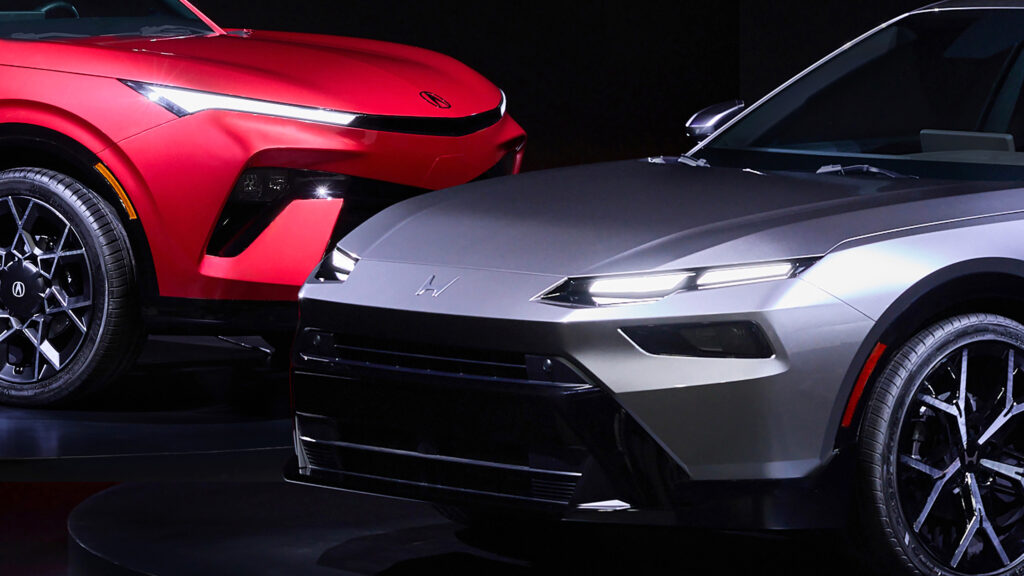


Honda’s electrification strategy just cleaved in two. After abandoning several ambitious North American EV programs, including the 0 Saloon, 0 SUV, and Acura RSX EV, the automaker is betting heavily on hybrids. But how that bet plays out depends entirely on which badge sits on the hood.
Acura is preparing to drop gasoline-only models from its lineup, while Honda plans to keep updating combustion-powered vehicles for buyers who still shop on monthly payments. The divergence, outlined by American Honda planning chief Gary Robinson to Automotive News, is the clearest signal yet that Honda sees its two brands occupying different lanes through the transition away from pure internal combustion.
Robinson’s reasoning is straightforward: luxury buyers are already gravitating toward electrified powertrains in large numbers. We are expecting an even higher percentage of electric vehicles in the luxury segment going forward,” he said. For Acura, hybrids won’t just be about fuel economy. They’ll be tuned for performance, a move that tracks with the aggressive Acura Hybrid SUV Prototype Honda recently showed off. That concept almost certainly previews the next-generation RDX.
Honda’s mass-market side will take a more cautious path. Bread-and-butter models like the Civic and CR-V won’t suddenly get more expensive just to carry hybrid hardware. The company plans selective updates to combustion-powered vehicles, keeping sticker prices competitive in segments where affordability still wins deals.
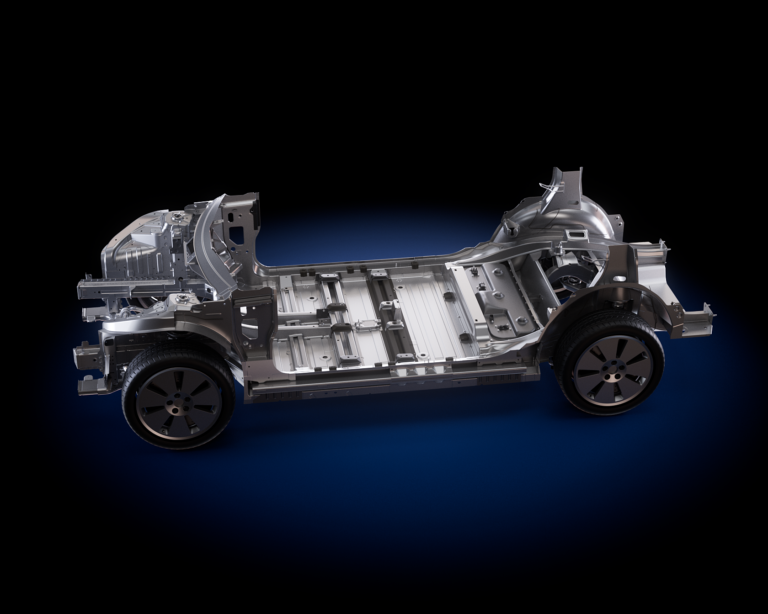
Both brands will share a new hybrid platform arriving in 2027. Honda says it will cut production costs while improving efficiency and driving dynamics. A new electric all-wheel-drive system is also in development for larger vehicles, with the Pilot, Passport, Ridgeline, and MDX all expected to benefit.
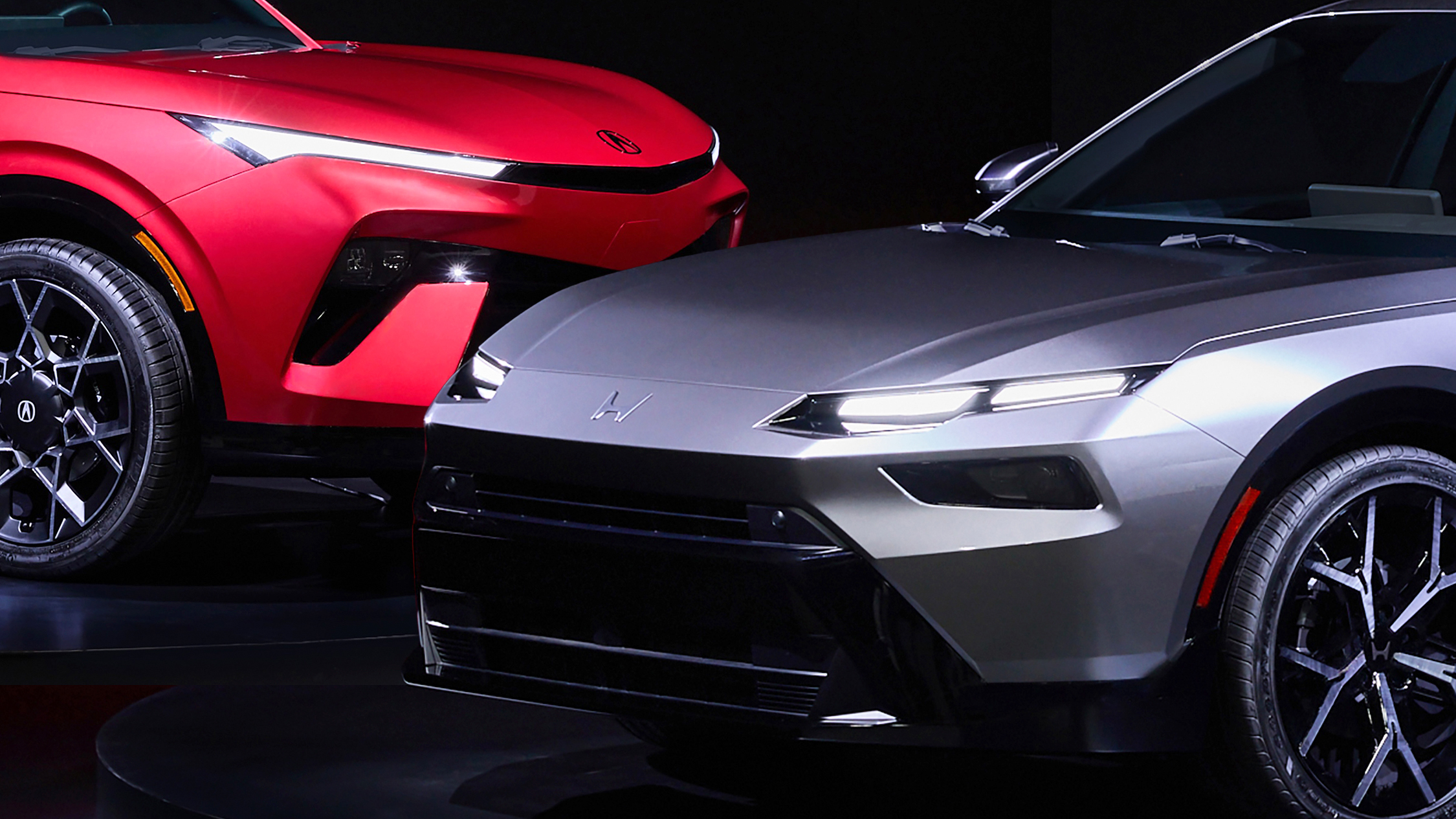
That platform debuted in concept form alongside the Acura SUV: a slippery Honda fastback sedan that hinted at a future Accord or Civic. It proves the engineering beneath both brands will overlap heavily even as their market positioning diverges.
This is a company course-correcting after real pain. Honda swallowed massive losses on its North American EV ambitions. The futuristic concepts it paraded just a couple of years ago are shelved. Demand for battery-electric vehicles softened faster than projected, and Honda found itself overcommitted to a technology that American buyers weren’t adopting at the pace the spreadsheets promised.
Hybrids are the safer play, and Honda knows it. Toyota proved that years ago. The question is whether splitting the strategy so visibly between Honda and Acura creates clarity or confusion.
On paper, it makes sense. Acura competes with Lexus and BMW, where electrified drivetrains are already table stakes. Honda fights in the trenches with Toyota, Hyundai, and Kia, where a $2,000 price bump can kill a sale.
But there’s a risk in making Acura’s hybrid pivot look like a retreat from EVs dressed up as a performance story. Luxury buyers shopping a new RDX in 2028 will also be cross-shopping the Lexus RZ, BMW iX3, and whatever Cadillac has cooking. Those brands aren’t just doing hybrids — they’re pushing full electric options at the same time.
Honda is asking Acura to hold the electrification flag while Honda proper keeps the combustion fires burning. It’s a pragmatic split born from a $15.9 billion EV writedown and the cold realization that the future isn’t arriving on anyone’s original timeline. Whether hybrids are a bridge or a destination depends on how long the crossing takes, and Honda just admitted it doesn’t know the answer.
Share this Story