
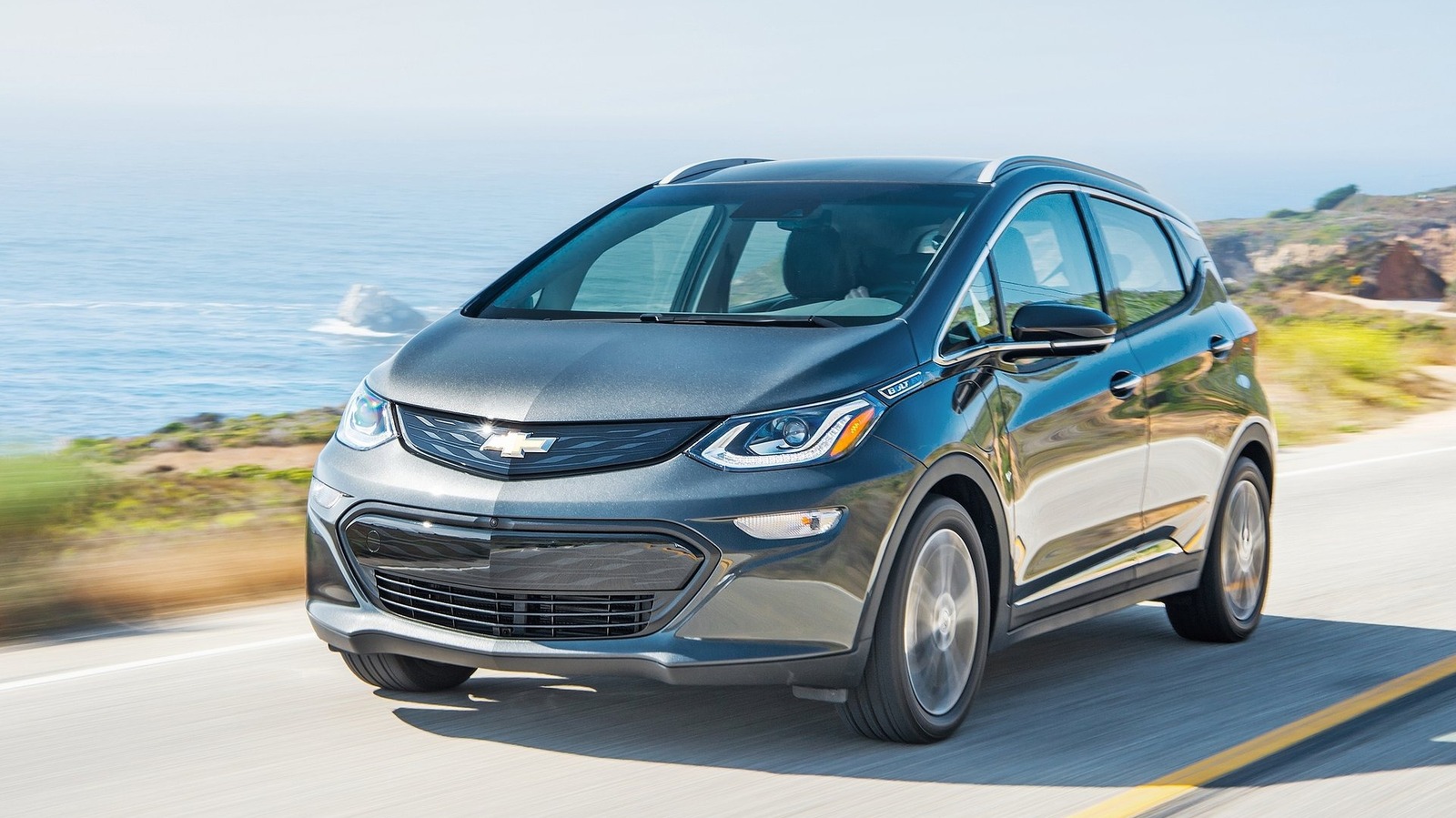


New electric vehicle sales in the United States fell 28% year-over-year in early 2026. Used EV sales, in the same period, jumped 17% quarter-over-quarter and climbed 12% compared to a year ago. Those two numbers tell a story of an EV market being reshaped not by policy or ideology, but by the oldest force in car buying: the price tag.
The collapse of the federal EV tax credit, killed by congressional Republicans, gutted new EV demand almost overnight. But the ripple effects are playing out in unexpected ways. Gas prices have been climbing, new ICE car prices have been climbing, and used EVs, battered by depreciation that terrified their original owners, are suddenly looking like bargains to a very different kind of buyer.
The average price of a used EV dropped 8.5% over the past year, according to data cited by the Financial Times. The gap between the average used EV and the average used ICE vehicle has shrunk from nearly $5,000 to just $1,334. That’s pocket change when you factor in the fuel savings.
Here’s where the math gets interesting. Experian projects that used EVs will double their share of off-lease inventory by year’s end, jumping from 7.7% to 15% of all vehicles coming off lease. That flood of supply is a direct consequence of the tax credit era, when generous incentives made leasing EVs absurdly cheap.
The Chevrolet Blazer EV, with an MSRP of $44,600, could be leased for $515 a month. The gas-powered Blazer, priced at just $35,600, leased for $586. Dealers structured those deals around the credit, and lessees took them gladly.
Now those vehicles are returning to dealerships carrying brutal depreciation. For the automakers and captive finance arms holding those leases, the losses are real. For a buyer walking onto a used car lot with $25,000 and a growing distaste for $4 gas, the timing couldn’t be better.
Jessica Caldwell, Edmunds’ head of insights, noted a crucial difference between this moment and the last gas price spike. “In 2022, the last time we saw a gas price spike, they would have been looking at vehicles from around 2019, when EVs weren’t quite there yet,” she told the Financial Times. The crop of EVs now hitting the used market are genuinely competitive vehicles with better range, better software, and better build quality than anything available during the early scramble.
The irony is thick enough to spread on toast. The tax credit that was supposed to jumpstart new EV adoption got axed, but the vehicles it put on the road are now seeding the used market with affordable electric options right as economic pressure makes them most appealing. The policy is dead, but its consequences are very much alive.
This isn’t a fairy tale, though. The used EV supply is finite, and rising demand against a limited pool of inventory will push prices back up. Without healthy new EV sales feeding the pipeline, the used market boom has a ceiling.
If automakers can’t move new units, now stripped of federal incentives and competing against cheaper gas models on sticker price alone, the pipeline dries up in a few years. For now, though, the American car buyer is doing what the American car buyer has always done: ignoring Washington and following the deal. The cheapest mile wins, and it just happens to be electric.

Share this Story