
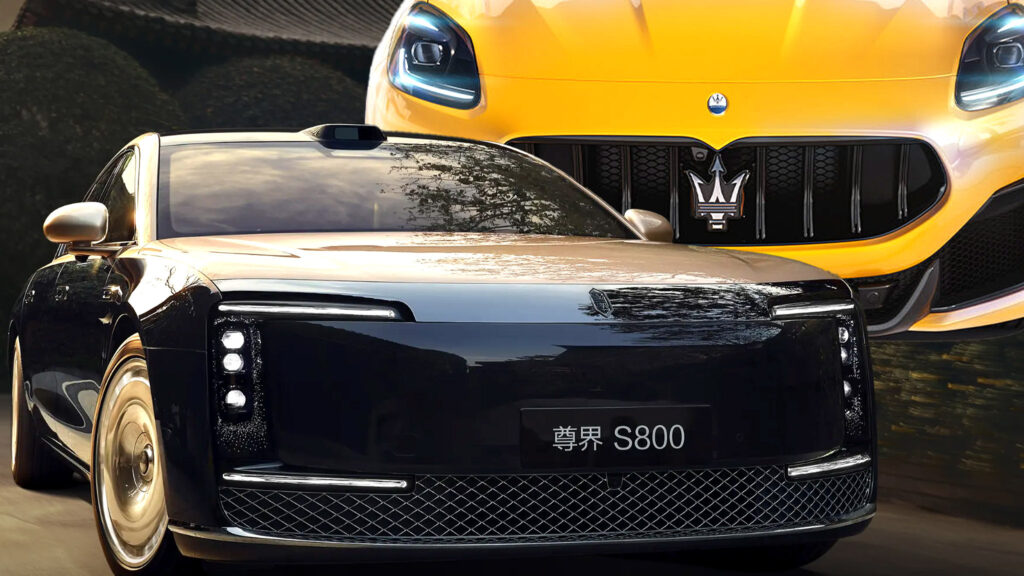


Maserati sold 1,000 cars in China last year. In 2017, it sold 14,498. That collapse, mirrored globally with total volume dropping 58 percent to just 11,127 units in 2024, is the backdrop for what might be the most radical outsourcing deal in luxury automotive history.
According to a report from China’s Yunjian Insight, Stellantis is in active discussions with Huawei and JAC to develop and manufacture new electric vehicles for the Maserati brand. Huawei would handle core vehicle technology and lead planning. JAC would take on research, development, and production. Maserati’s role would be design and brand endorsement, nothing more.
Read that again. A marque founded in Bologna in 1914 by three brothers who built race cars with their bare hands could become, functionally, a logo stamped onto Chinese-engineered hardware.
The talks have reportedly been ongoing since early 2025, with preliminary R&D work already underway. Two models are said to be in early planning. The first would sell in China under Huawei’s Maextro sub-brand, while the second would be rebadged or redesigned for international markets wearing the Maserati trident.
This isn’t without precedent within Stellantis. The group bought a 21 percent stake in Chinese EV maker Leapmotor in 2023 and recently expanded the partnership, greenlighting a Leapmotor-built model for Europe by 2028 and a jointly developed Opel-badged electric SUV to be assembled in Spain. The Maserati-Huawei arrangement would follow a similar template, just with far higher stakes and a far more storied nameplate.
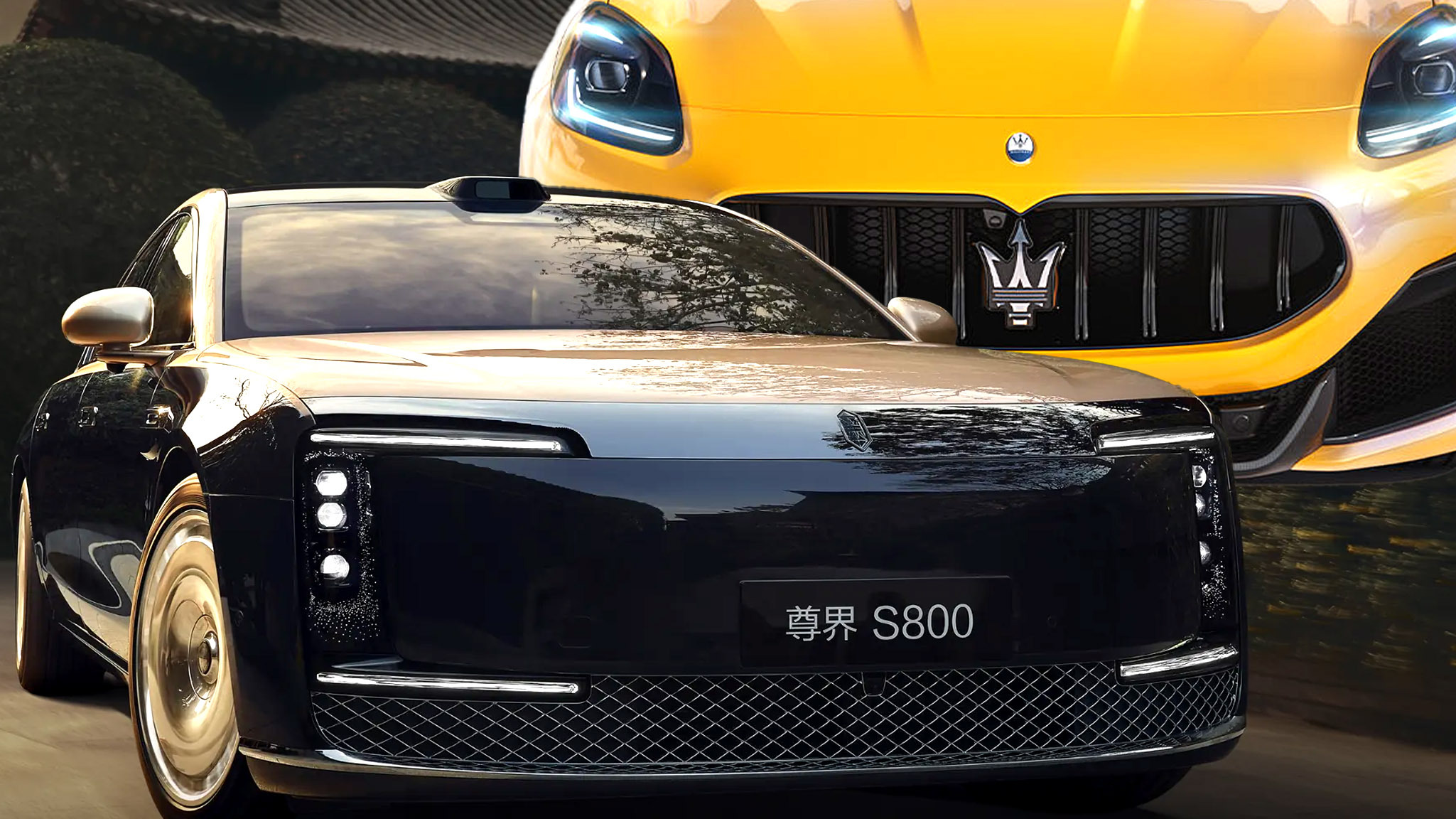
Huawei’s automotive ambitions are no secret. Its Harmony Intelligent Mobility Alliance already encompasses five Chinese car brands building vehicles packed with Huawei tech, from autonomous driving systems to cabin software. The Maextro S800 luxury sedan, one of those products, outsold the BMW 7 Series, Porsche Panamera, and Mercedes-Maybach S-Class combined in China.
Huawei knows how to build desirable, tech-laden machines. Whether that translates to something worthy of the Maserati name is a different question entirely.
The body styles remain unknown. SUV, sedan, sports car — the report offers no specifics. What it does make clear is that Stellantis sees no path forward for Maserati that involves Maserati doing the heavy lifting. The brand’s current lineup hasn’t stopped the bleeding, and the Folgore EV variants haven’t either.
Carlos Tavares drove the conglomerate’s cost-cutting playbook until his departure in late 2024. His successor inherits a Maserati brand that burns cash and moves negligible volume. Partnering with Huawei and JAC would slash development costs while plugging Maserati into the most competitive EV ecosystem on the planet.
But there’s a cost that doesn’t show up on a balance sheet. Maserati’s entire value proposition rests on Italian soul — the sound, the feel, the provenance. Strip away the engineering, the manufacturing, and the development, and you’re left with a badge and a design sketch.
Plenty of brands have tried to sell heritage without substance. None of them lasted. Maserati has not commented on the report, and the silence says plenty.
Share this Story