


General Motors president Mark Reuss stood in a Miami media tent during this year’s Grand Prix weekend and said something Cadillac executives rarely admit out loud: the brand doesn’t have the perception it needs. “We don’t have that perception yet, so we got to earn it,” Reuss told Road & Track. Formula 1, he believes, is the vehicle to get there.
The calculus is straightforward. Ferrari, McLaren, and Mercedes-AMG all leverage decades of open-wheel racing heritage to justify six- and seven-figure road cars. Cadillac, for all its recent product wins — the CT4-V and CT5-V Blackwing sedans, the $350,000 hand-built Celestiq — still drags around the ghost of its cheapened 1980s and ’90s lineups like a boat anchor.
Reuss wasn’t shy about the ambition. He pointed to the Celestiq as proof Cadillac can play in rarefied air, then hinted at what comes next. “We’ll make more, and we’ll make different ones than Celestiq,” he said. “That’s part of the DNA and the formulation of what ‘driving the brand’ really means.”
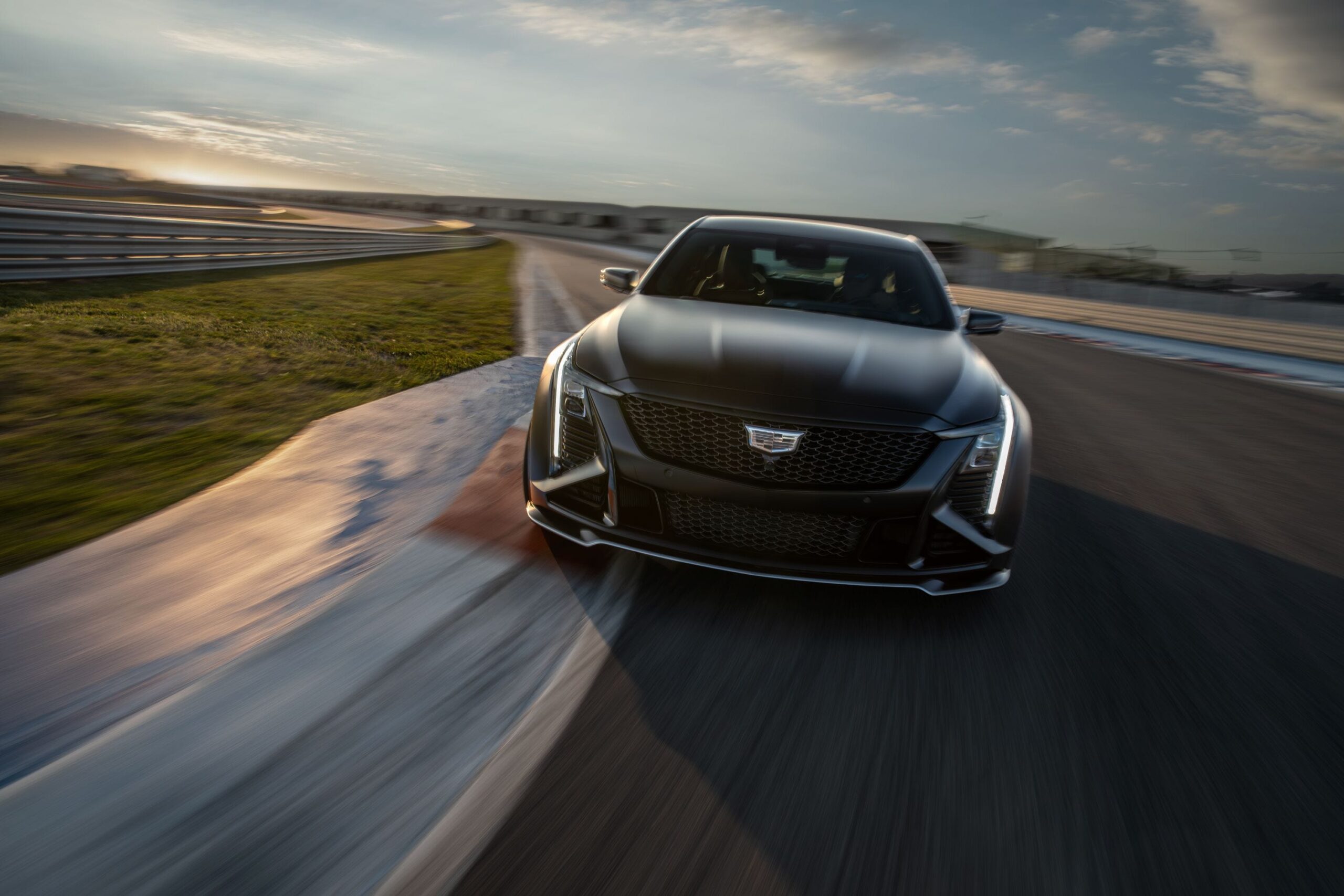
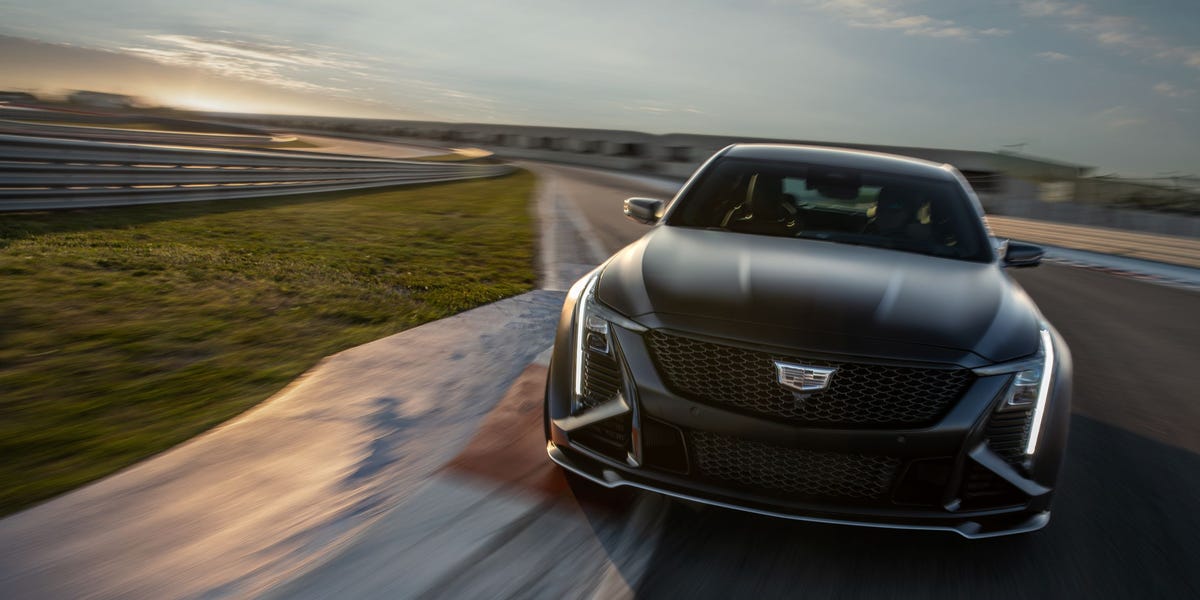
An anecdote about the limited-edition CT5-V Blackwing F1 Edition revealed just how deeply the racing world is already pushing Cadillac upmarket. Former F1 CEO Stefano Domenicali saw the car’s price tag and told Reuss flatly: “You’re not charging enough money for it. Charge more for it.” That’s the kind of peer pressure Detroit has never had before, and it cuts to the core of Cadillac’s longtime struggle to command premium pricing.
The international play matters too. Cadillac has virtually no footprint in many of the markets where F1 draws its most passionate — and wealthiest — audiences. A car on the grid every other weekend is a billboard that no marketing budget can replicate.
Reuss sees a generational reset happening at the same time. “There’s a whole set of people that are much younger than me that do not know what Cadillac was or is,” he said. “All they know is what they see.”
That’s the perception side. The product side requires its own heavy lifting, but GM’s senior vice president Ken Morris argued the engineering bench is already deep enough. He pointed to the Corvette ZR1X as proof. “It is an absolute world-class car,” Morris said. “And that does come from the same technical capability as a company that we use for the Blackwings and the Cadillac sedans.”
Morris went further, noting that the powertrain development work happening at GM’s Charlotte facility — where Cadillac’s F1 engine is already running on a dyno — has dramatically compressed internal development timelines. Tool development alone has leapfrogged years of conventional progress. He wouldn’t confirm a supercar, but he made clear that any future road car designed with a racing derivative in mind would marry the motorsports and production teams from day one.
Neither executive committed to a Cadillac supercar. They’re too disciplined for that, and the F1 team hasn’t even supplied its own engine yet — that milestone is still a couple of seasons away. But the breadcrumbs are impossible to ignore.
A hand-built flagship already exists. A world-class mid-engine platform lives under the Corvette. An F1 power unit is being developed in-house. And the people running the show are openly talking about moving further upmarket.
The real question isn’t whether Cadillac can build a car to rival Ferrari or McLaren. The Corvette ZR1’s track record suggests the engineering talent exists. The question is whether a brand still shaking off decades of mediocrity can convince buyers to write a check north of half a million dollars for a car wearing a wreath and crest.
F1 is the most expensive focus group in history. But if it works, Cadillac could finally stop explaining what it used to be and start defining what it intends to become.
Share this Story