



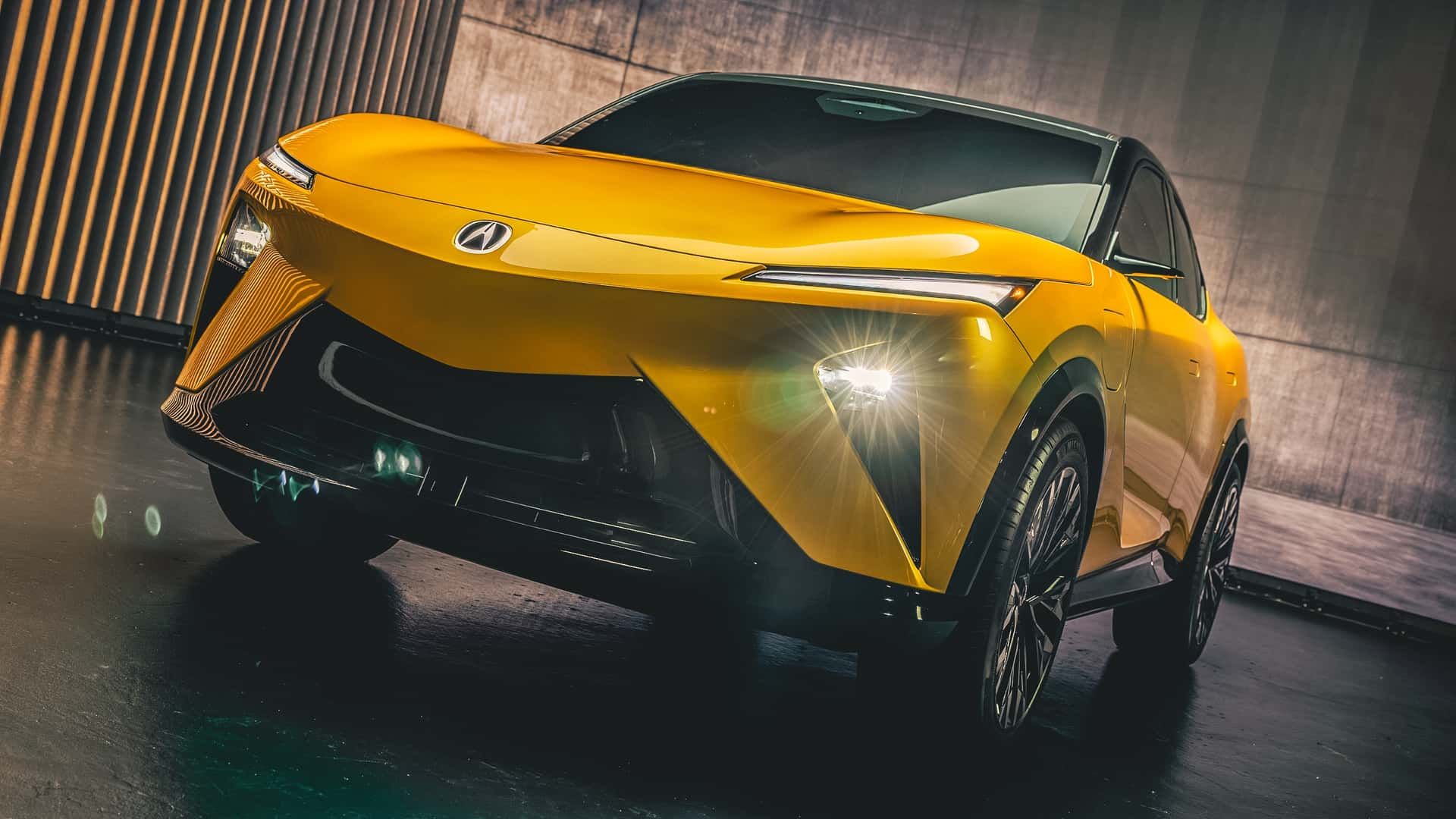
Less than a year after Honda reinvented the Acura RSX as an electric crossover, the car is dead. So are the Honda 0 SUV and 0 Sedan. All three vehicles were axed on March 12, development halted, market launches canceled.
None of them ever reached a customer. Honda estimates losses of up to ¥2.5 trillion, roughly $15.8 billion at current exchange rates, from walking away from three vehicles that were supposed to anchor its electric future in the United States.
All three were slated for assembly at Honda’s Marysville Auto Plant in Ohio, riding on a platform the company developed in-house. That platform was Honda’s deliberate pivot away from its partnership with General Motors, which underpinned the now-discontinued Acura ZDX. Honda built its own architecture, designed its own vehicles, and then decided the market wasn’t worth the gamble.
The company’s statement was blunt: “Honda determined that starting production and sales of these three models in current business environment where the demand for EVs is declining significantly would likely result in further losses over the long term.
There’s a cold logic to cutting your losses before production starts rather than after. But $15.8 billion in sunk development costs is a brutal admission that Honda misread where the American market was headed, or at least misjudged how fast it would get there.
The Acura RSX was supposed to go on sale later this year. It carried a name with real heritage, one that enthusiasts associated with the lightweight, sharp-handling coupe that replaced the Integra two decades ago. Turning it into an electric crossover was already a controversial move. Now that controversy is moot.
Honda says it considered other options before making the call. Whatever those alternatives were, they apparently didn’t pencil out either.
The pivot is toward hybrids. Honda has confirmed that next-generation hybrid powertrains will get the investment these EVs lost, with large SUVs already slated to receive a new V6 engine. Engineers are targeting a 30 percent improvement in fuel efficiency for large hybrids compared to today’s equivalent gasoline models. That’s a meaningful number if they hit it.
The reasoning tracks with what other automakers have been signaling. EV adoption in North America has slowed relative to the projections that drove billions in investment decisions three and four years ago. The U.S. market has proven stubbornly resistant to the timeline the industry set for itself.
Honda is hardly alone in recalibrating. But few companies have made a move this dramatic, killing three vehicles simultaneously, absorbing a write-down that dwarfs most automakers’ annual profits, and publicly declaring that the EV business case in America doesn’t work for them right now.
The Marysville plant, which was supposed to build these vehicles, will need new product. Honda’s hybrid strategy will need to deliver returns quickly enough to justify abandoning an entire electric lineup. And the in-house EV platform, developed at enormous cost, now sits without a single vehicle to carry.
This is what a $15.8 billion retreat looks like. Honda bet big on electric, watched the American market cool, and decided that doubling down was worse than walking away. Whether that call looks prescient or panicked depends entirely on what happens next.
Share this Story