
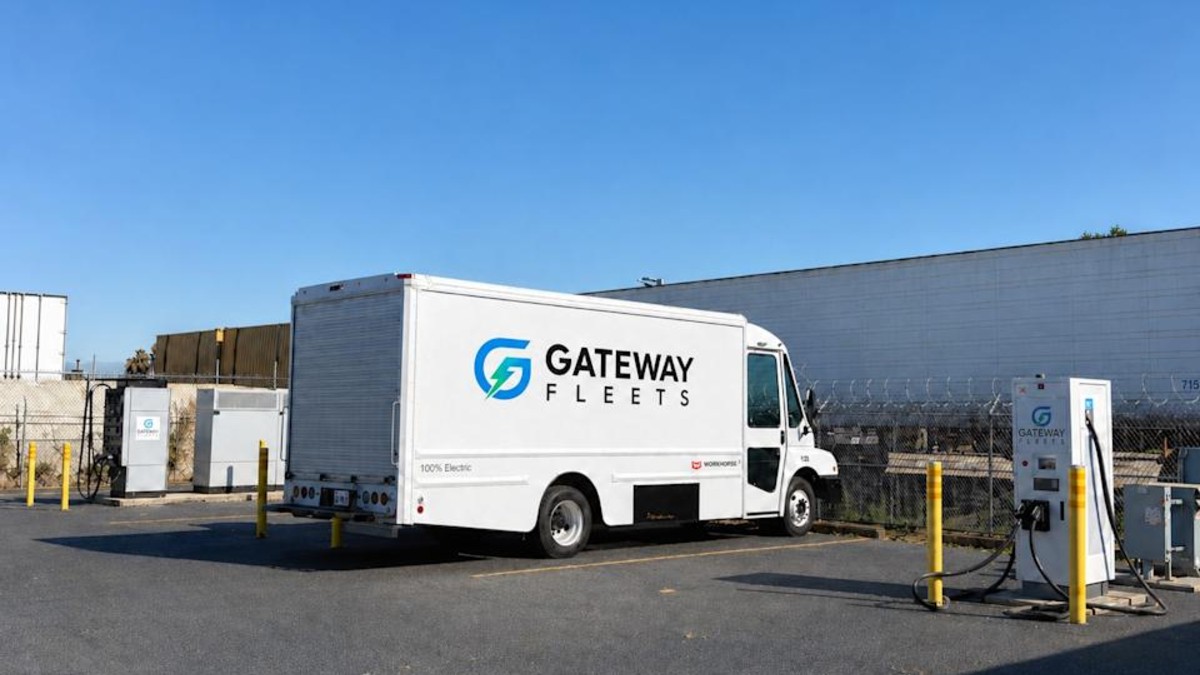


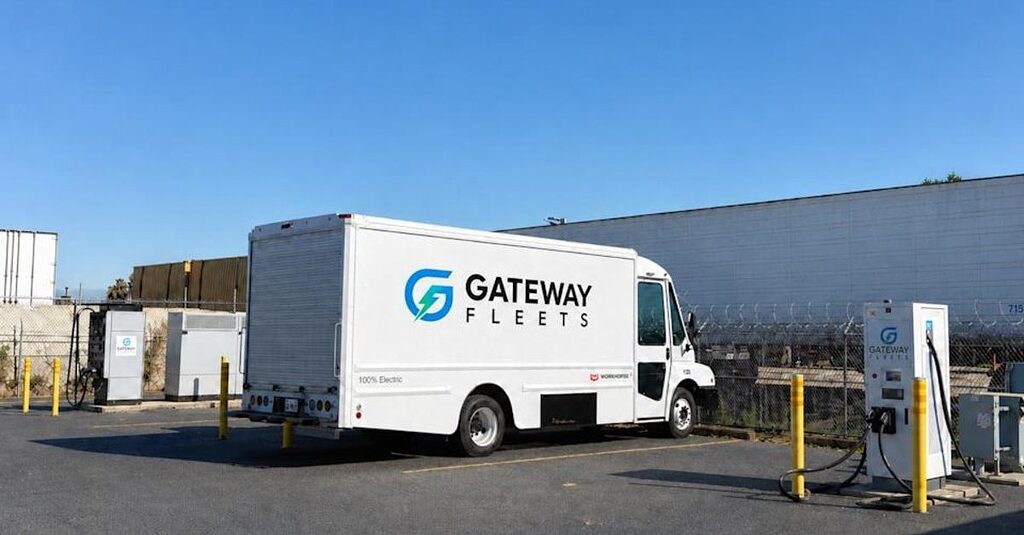
Workhorse just landed a 100-van electric fleet order, and the company behind it — Gateway — is wagering that bundling vehicles, charging infrastructure, leasing, and fleet management into a single package can slash delivery fleet costs by 65 percent. That’s not a lab projection. It’s a promise attached to real vans headed to real routes.
The deal marks a concrete test of something the commercial EV world has been talking about for years but rarely executing: removing every barrier to fleet electrification in one stroke. Gateway isn’t just selling trucks. It’s selling the entire ecosystem — charging hardware, depot planning, financing, and operations — wrapped into what amounts to a fleet-as-a-service model.
The 65 percent figure refers primarily to fuel savings, which sounds aggressive until you consider the math. Diesel last-mile delivery vans burn through fuel in stop-and-go urban routes where electric drivetrains are at their most efficient. Add in reduced maintenance — no oil changes, no transmission rebuilds, fewer brake jobs thanks to regenerative braking — and the gap between electric and combustion operating costs widens fast.
Government incentives sweeten the pot further. Federal tax credits and state-level grants for commercial EV purchases remain available in many regions, effectively buying down the sticker price that has kept fleet managers clinging to their diesel orders.
But the real story here isn’t the vans. It’s the business model.
Fleet operators have been telling anyone who will listen that the vehicle is the easy part. Charging is the nightmare. Depot upgrades require permitting, utility coordination, and capital. Financing an unproven electric fleet scares CFOs.
Gateway’s play is to absorb all of that complexity, presenting fleet customers with a monthly cost they can compare directly against their current diesel spend. It borrows heavily from the playbook that made solar leasing explode a decade ago. Don’t sell the hardware — sell the outcome.
In this case, the outcome is packages delivered at lower cost per mile with zero tailpipe emissions.
The open question is whether it scales. One hundred vans operating on optimized routes in favorable conditions can look spectacular on a spreadsheet. Multiply that across thousands of vehicles, dozens of depots, varying climates, and different utility rate structures, and the picture gets considerably more complicated.
Uptime is everything in last-mile delivery. A van that can’t charge overnight because of a grid bottleneck or a depot permitting delay isn’t saving anyone 65 percent on anything.
Workhorse desperately needs this kind of win. The company has spent years struggling with production consistency and financial stability while watching Rivian’s commercial van program gobble up Amazon orders and BrightDrop units roll into FedEx depots. A bundled-service partner like Gateway gives Workhorse something it hasn’t had enough of: a distribution channel that handles the customer’s pain points beyond the factory gate.
The logistics industry runs on thin margins and deep skepticism. Fleet managers don’t switch platforms because of press releases. They switch when the spreadsheet is undeniable and the risk is manageable.
Gateway’s bundled approach attacks both of those objections at once — lower cost, lower complexity, lower upfront capital. Whether this particular deployment delivers on its promises will matter enormously. Not just for Workhorse and Gateway, but for every commercial EV startup trying to convince a fleet operator that the switch is worth making now rather than in some perpetually deferred future.
One hundred vans is a proof point, not a revolution. But revolutions have started with less.

Share this Story