
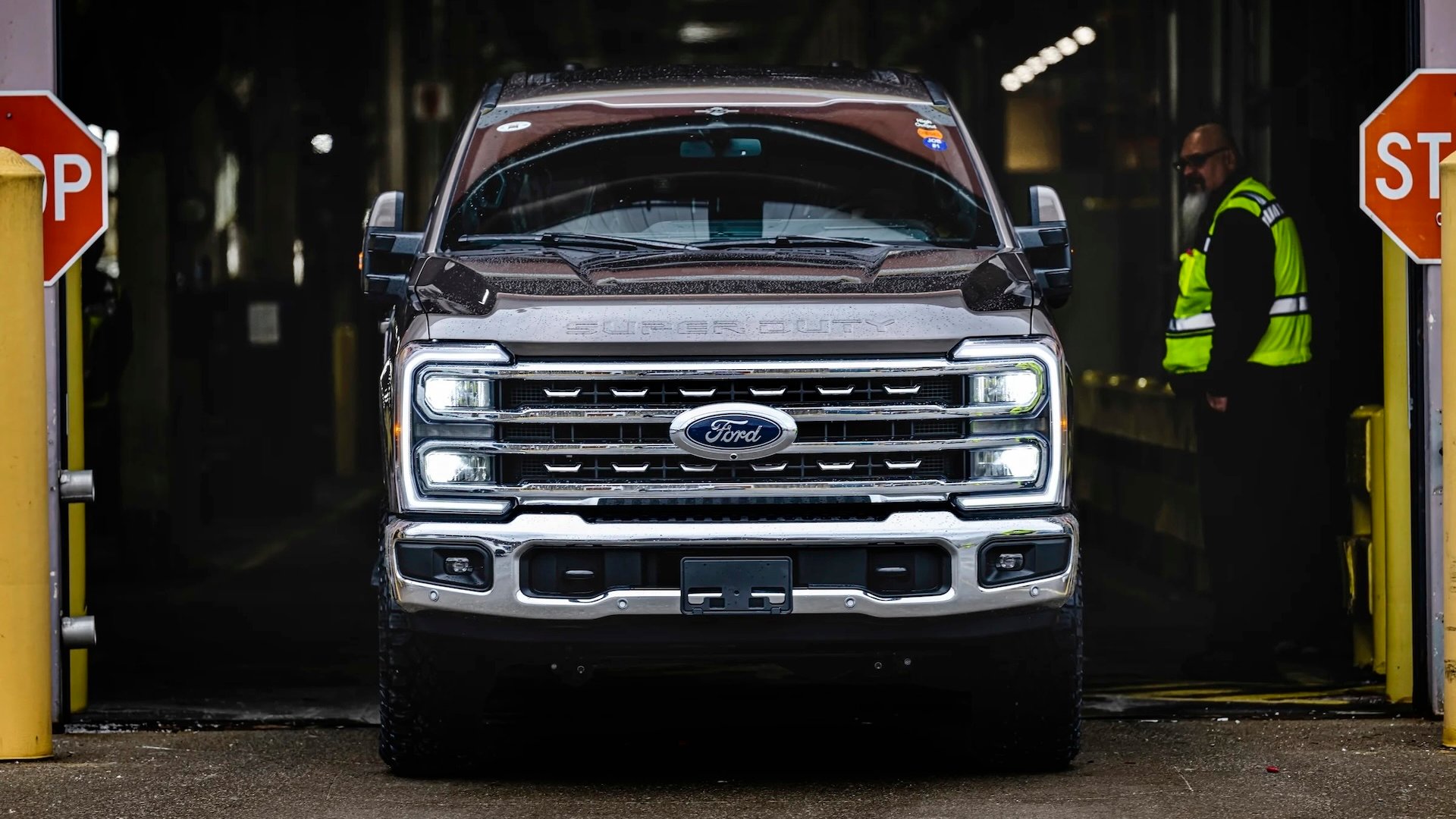


Pedestrian deaths on American roads have surged 75 percent since 2009. A joint investigation by The New York Times and the Insurance Institute for Highway Safety puts a hard number on what the car industry would rather leave vague: 200 to 400 people a year would still be alive if vehicles hadn’t ballooned in size over the past quarter-century.
That’s roughly 10 percent of the total increase in pedestrian fatalities over the period. Not distracted driving. Not phones. Not jaywalking. Just sheer vehicular mass and height doing what physics dictates.
The study drew on federal records and never-before-examined vehicle dimension data to connect the dots between the physical growth of pickups and SUVs and the rising death toll on sidewalks and crosswalks. The correlation isn’t subtle. Taller front ends strike pedestrians higher on the body, at or above the center of mass, knocking them forward and under the wheels rather than up and onto the hood.
“We see a lot of devastating collisions even at lower speeds because the pedestrian gets punted forward,” said Shawn Harrington, whose company Forensic Rock conducted crash testing for the report. “Before the driver knows what’s happened, the pedestrian’s head is under the wheel.”
The timeline matters. The truck and SUV boom started in the 1990s, stalled briefly during the financial crisis, then roared back with regulatory wind at its back. The Obama-era “footprint model” for calculating fuel economy rewarded automakers for building larger vehicles. Bigger footprint, more generous emissions allowances.
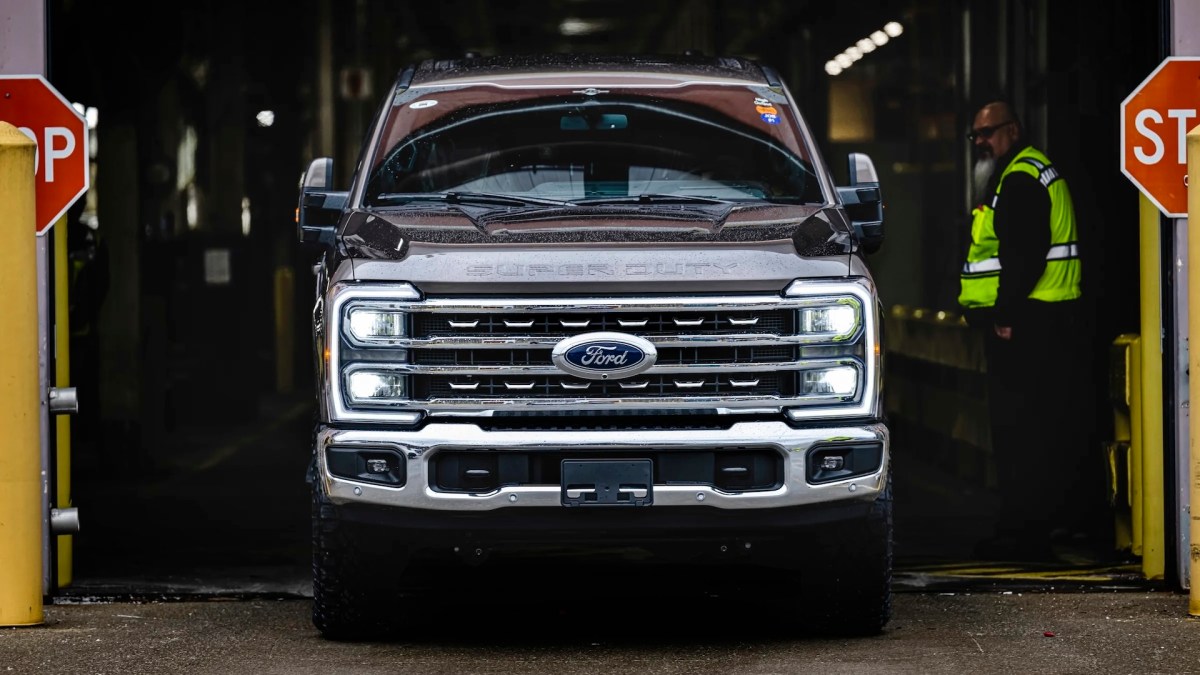
The crossover replaced the midsize sedan as America’s default family vehicle, and the average curb weight of a new car climbed year after year. Cash for Clunkers didn’t help either. Nearly 700,000 older, smaller vehicles were scrapped, funneling buyers into newer, larger models.
European regulators tackled pedestrian safety by mandating softer, more upturned front-end designs that spread impact force across a wider area. The physics is sound: distribute force over more surface area and you reduce pressure at any single point. But that math breaks down when the vehicle weighs 5,500 pounds and the contact patch starts at chest height on an average adult.
The American market went the other direction. Front ends got taller, hoods got higher, and blind spots grew large enough to hide a child. The small cars that once kept average vehicle size in check were killed off one model at a time, victims of consumer preference and automaker margin strategy.
Enthusiasts have long accepted weight and size bloat as an unfortunate trade-off, cushioned by advances in tires, suspension, and electronic stability systems that make even a three-ton pickup feel manageable from behind the wheel. The problem is that manageability inside the cabin doesn’t translate to safety outside it. A 6,000-pound electric SUV may corner flat and stop short, but the pedestrian it strikes absorbs every one of those pounds at full kinetic value.
The numbers represent a policy failure dressed up as consumer choice. Regulators designed a system that incentivized size. Automakers obliged, consumers bought what was offered, and roughly 3,200 to 6,400 additional pedestrians over the past 16 years paid the price for a framework nobody bothered to stress-test against the people walking next to these machines.
The vehicles keep growing. The death count keeps climbing. The correlation has been quantified, peer-reviewed, and published, and whether anyone in Washington or Detroit acts on it is another question entirely.


Share this Story