
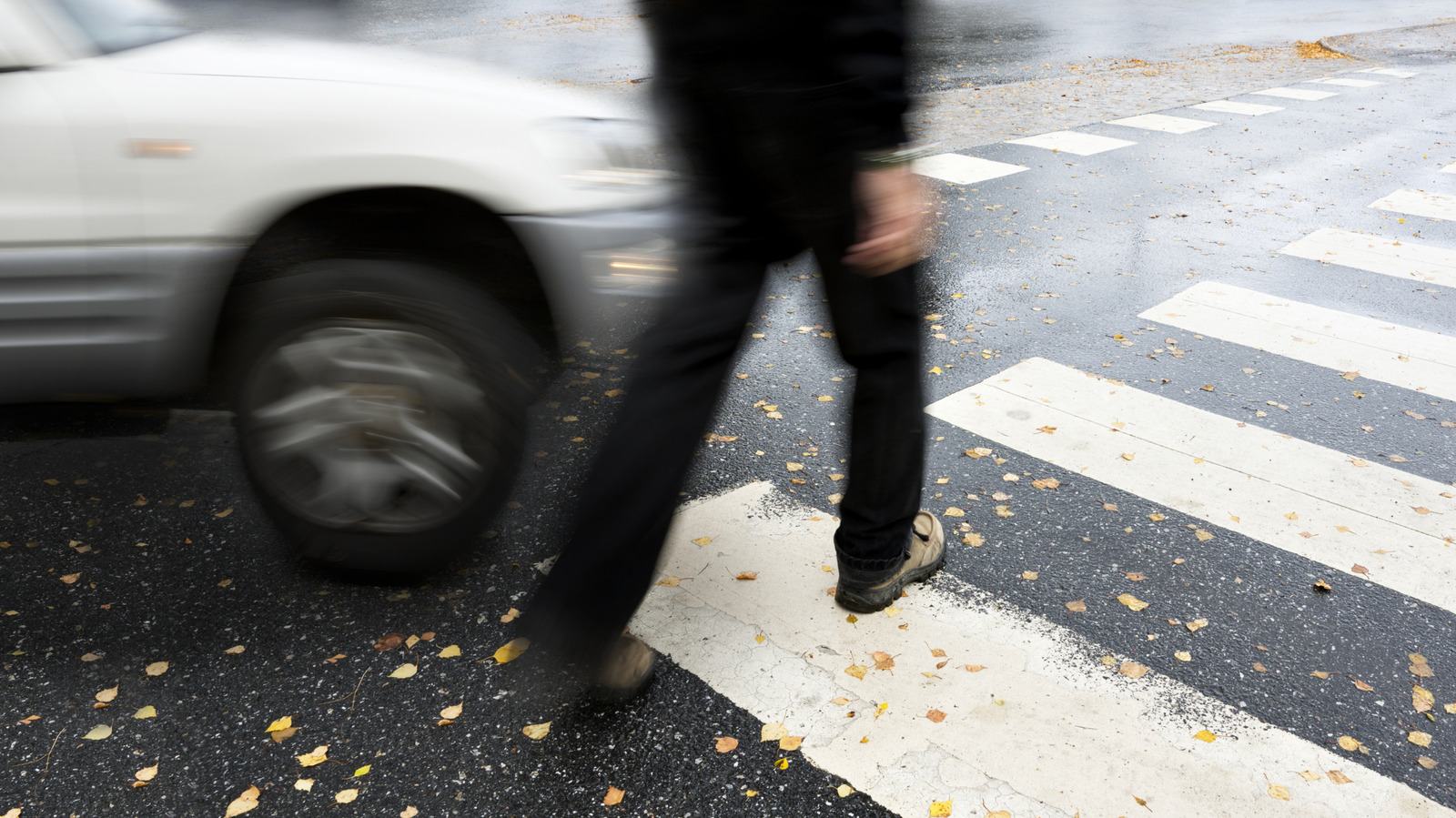


An 11 percent drop in pedestrian fatalities sounds like progress. It isn’t. It’s regression to a mean that was already catastrophic.
The Governors Highway Safety Association reported in late March that an estimated 3,024 pedestrians were killed by cars in the first half of 2025, down from 3,395 in the same period of 2024. Compared to the pandemic peak of 3,526 in early 2022, the numbers look even better on paper. But strip away the context and you’re left with a country still killing pedestrians at rates that would scandalize every other wealthy democracy on earth.
Americans on foot die at three times the rate of Canadians. Four times the rate of Brits. More than thirteen times the rate of Norwegians.
The pandemic did something perverse to American roads. Fewer cars meant emptier streets, and emptier streets meant drivers pushed speeds that congestion had previously made impossible. Reckless behavior surged. Distracted driving surged. Pedestrian deaths climbed even as vehicle miles traveled fell. In 2021, 7,470 pedestrians were killed, up from 6,272 just two years earlier.
Now those pandemic spikes are receding, and the numbers are settling back down. But they’re settling to a level still above pre-Covid baselines. The decline isn’t a triumph of policy or engineering. It’s arithmetic.
The real story is structural. Starting in the 2010s, pedestrian deaths diverged sharply from overall traffic fatality trends, climbing 53 percent between 2009 and 2019. Nothing comparable happened in peer nations.
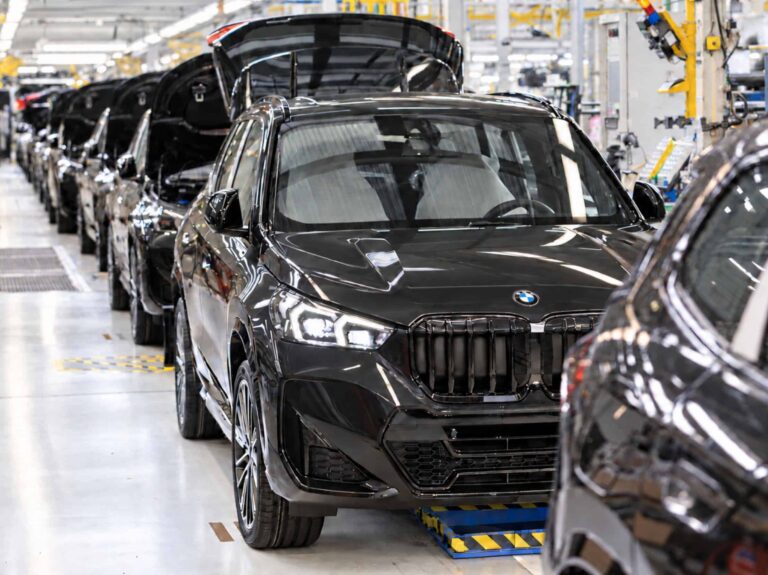
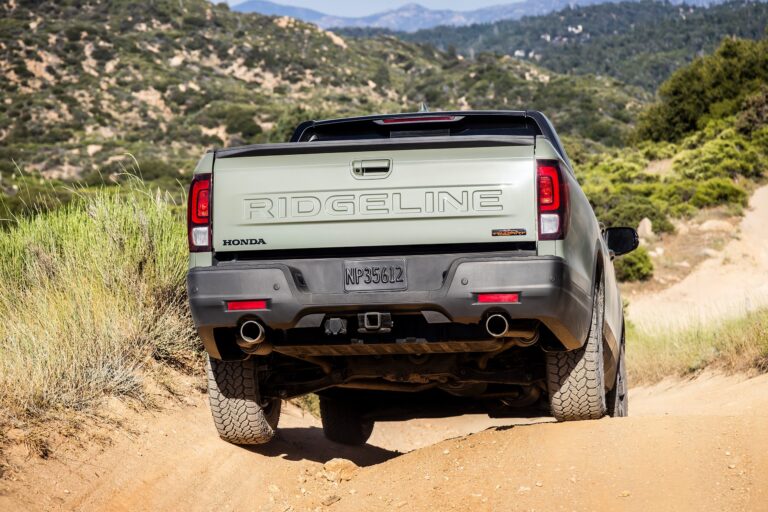
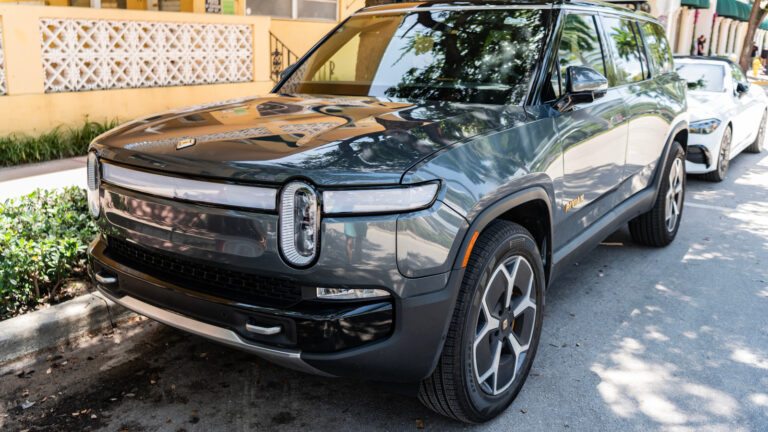
The culprit list is familiar to anyone paying attention: the American love affair with SUVs and pickup trucks, which now dominate new vehicle sales and are dramatically more lethal to people on foot. Their height and mass turn survivable collisions into fatal ones.
Stephen Mattingly, a civil engineering professor at the University of Texas at Arlington, puts it bluntly. The same speed crash that breaks legs when a sedan is involved can crush ribs and destroy organs when the striking vehicle is a tall SUV.
There’s another factor researchers are beginning to quantify. The suburbanization of poverty is pushing more low-income Americans into car-dependent landscapes where walking was never part of the design. They walk along wide, high-speed roads with no sidewalks, sometimes with barely a foot of shoulder separating them from trucks doing 55.
University of New Mexico researcher Nick Ferenchak calls this an important and underappreciated driver of the death toll. And the economic picture could make things worse. Rising gas prices, climbing insurance costs, and vehicle affordability pressures are already forcing more Americans out of their cars and onto their feet in places engineered to kill them for doing so.
Meanwhile, the tools that work elsewhere remain politically radioactive here. Vision Zero campaigns have largely fizzled in American cities. Traffic enforcement cameras, which demonstrably reduce speeding in countries that deploy them widely, are banned at the state level in parts of the US.
Road redesigns that slow cars and protect pedestrians get fought tooth and nail by drivers who view any inconvenience as tyranny.
Mattingly doesn’t sugarcoat the cultural problem. “The public generally don’t consider pedestrians valuable because they’re just getting in the way of them being able to drive fast to where they want to go,” he said.
Canada and Australia share America’s postwar, car-dependent DNA and still manage to kill far fewer people on foot. The difference isn’t geography. It’s choices about speed limits, road design, enforcement, and whether a nation considers walking a legitimate way to move through the world or just an obstacle to traffic flow.
So yes, the numbers dropped. They dropped because a pandemic distortion is unwinding, because offices dragged workers back into their cars and refilled the roads with enough congestion to impose a speed limit that policy never did. That’s not safety. That’s traffic.
Share this Story