


Aubrie Morgan fell asleep in her running car on January 14 inside a Royal Oak, Michigan parking garage. She never woke up. A cracked exhaust manifold had been silently filling her vehicle with carbon monoxide, and the 18-year-old was dead before anyone realized something was wrong.
Her mother, Olivia Morgan, had pinged Aubrie’s phone when she didn’t come home. The location led to the garage near the restaurant where Aubrie worked and the cosmetology school she attended. A manager found her in the car, engine still running, and initially thought she was sleeping.
She wasn’t.
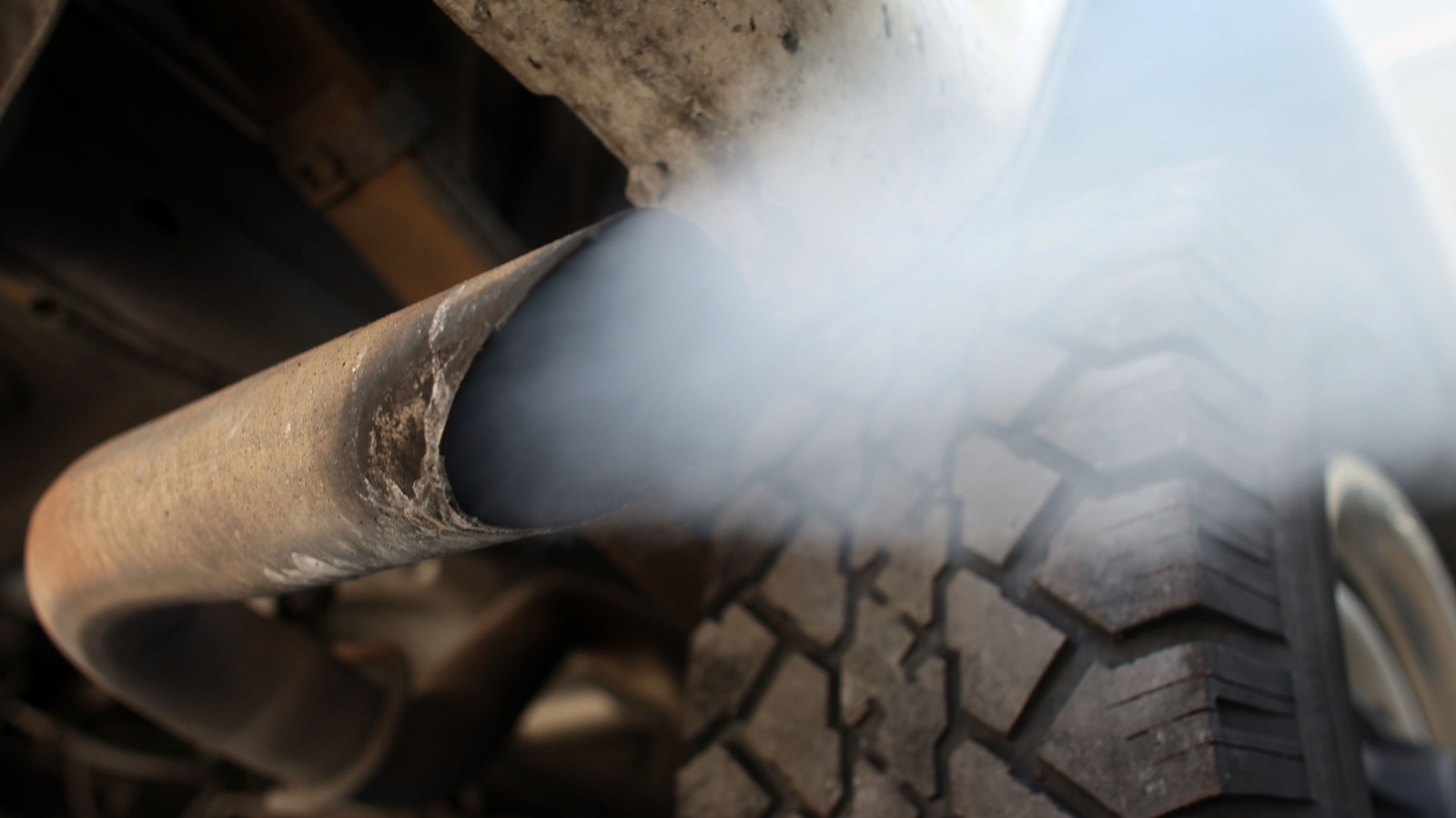
EMS declared her dead on arrival. Investigators initially suspected an aneurysm. It wasn’t until Royal Oak police hoisted the car and inspected the underside that they found the small crack in the exhaust manifold that had killed her.
Carbon monoxide is colorless, odorless, and tasteless. It binds to hemoglobin in the blood and starves organs of oxygen. At low concentrations, it causes headaches and confusion. At high concentrations, it kills. In an enclosed parking structure with limited ventilation, a cracked manifold is a death sentence for someone sitting in an idling car.
Michigan is one of fourteen states that require zero vehicle safety inspections. No annual check, no emissions test, no mechanic’s eyes on the undercarriage. A state inspection program, for all its bureaucratic warts, would almost certainly have flagged a cracked exhaust manifold and required a repair before the car went back on the road.
Aubrie Morgan had just graduated high school the previous summer. She was studying cosmetology, not automotive repair. There is no reasonable expectation that she would have known to check her exhaust system or understood the danger lurking beneath her car. And nobody required anyone else to check it for her.
This isn’t an isolated scenario. Ford spent years repairing 2011-2017 Explorers after occupants reported headaches, nausea, and dizziness from exhaust intrusion. Just last month, Salve Regina University student Joseph Boutros died of carbon monoxide poisoning in Rhode Island after snow blocked his car’s tailpipe during a blizzard. His exhaust system was intact. The snow did what a cracked manifold does — it trapped the gas where it could accumulate and kill.
The warning signs of an exhaust leak are straightforward if you know what to listen and smell for. A car that suddenly sounds louder or rougher than usual, especially on startup, likely has a hole somewhere in the exhaust path. The smell of raw fuel inside the cabin is another red flag.
If you develop headaches, dizziness, or nausea while driving — particularly at idle or in stop-and-go traffic — get out of the car and get the exhaust system inspected immediately. Those symptoms mean carbon monoxide is already in your bloodstream.
A portable carbon monoxide detector small enough to sit on a dashboard costs less than twenty dollars. It’s a cheap piece of insurance for a threat most drivers never think about.
Olivia Morgan has been vocal about raising awareness since her daughter’s death. “I never knew that you could just be driving your vehicle and have a carbon monoxide leak and not know it,” she told FOX 2 Detroit. “There’s no signs for it, and the signs present as a lot of other things.”
She’s right, and that’s exactly the problem. Fourteen states have decided that vehicle inspections aren’t worth the hassle. Aubrie Morgan’s car sat in that garage for hours, engine running, exhaust leaking, in a state that never required anyone to look underneath it.
A simple inspection might have caught a small crack. Instead, a teenager is dead, and her mother is left doing the job the state wouldn’t — telling people to get their cars checked.





Share this Story