
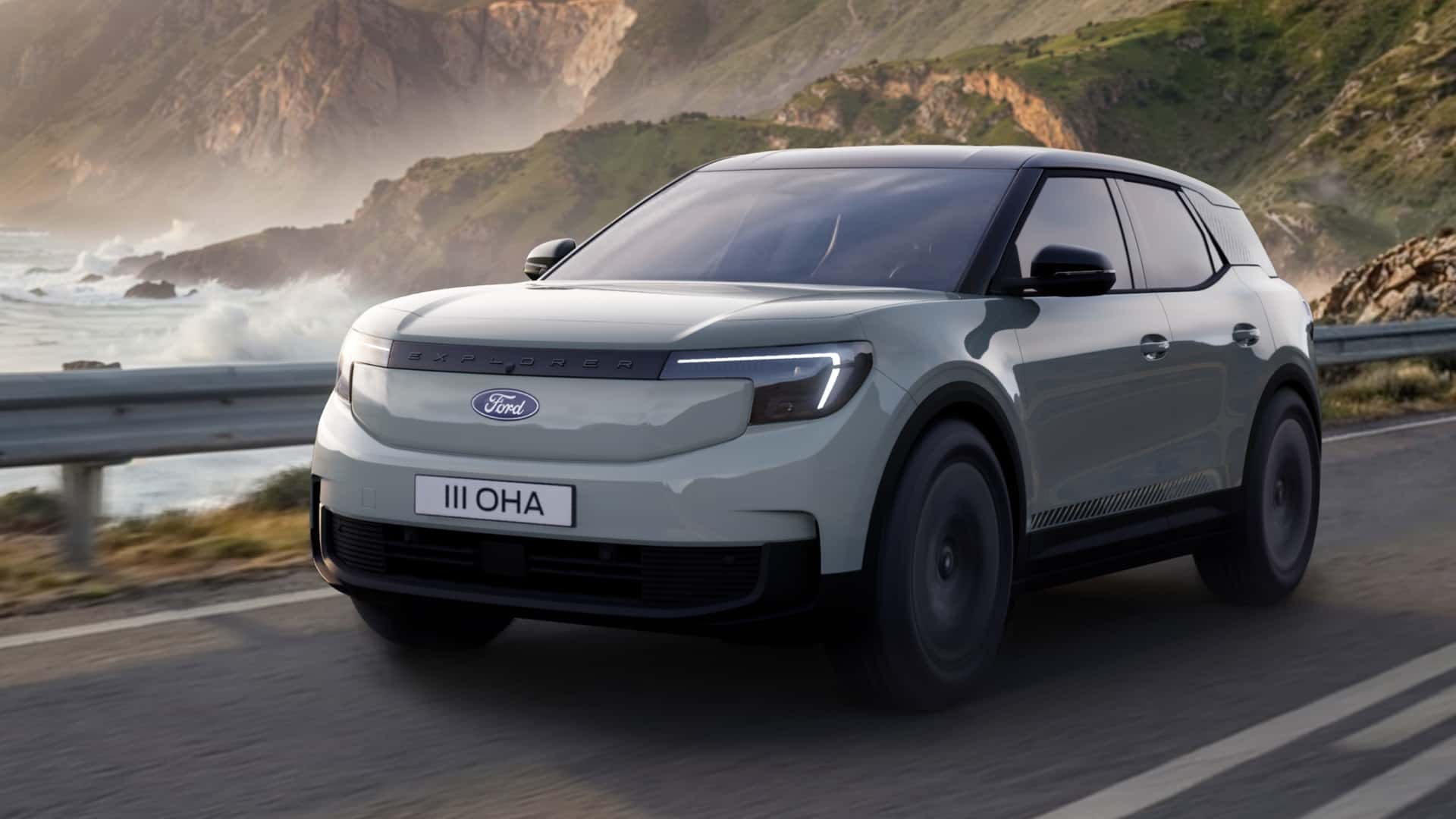


Ford just handed its European Explorer EV a lithium-iron phosphate battery, bidirectional charging, and a suite of new driver-assistance tech. Meanwhile, back home in Dearborn, the company continues to pare down its American EV ambitions. The disconnect is becoming harder to ignore.
The updated Explorer EV Standard Range swaps its old 52-kilowatt-hour nickel manganese cobalt pack for a 58 kWh LFP unit, pushing WLTP-rated range from 239 miles to 276 — a 17 percent jump. LFP chemistry is cheaper, more durable, and less dependent on the volatile cobalt and nickel supply chains that have plagued automakers for years. It’s also heavier per unit of energy, which is why the pack grew physically to deliver more range.
The rear motor gets a bump too, from 165 horsepower to 187, with 258 pound-feet of torque. Zero to 62 mph now takes eight seconds flat. Not quick by EV standards, but adequate for a compact crossover that was never meant to embarrass sports sedans.
DC fast charging tops out at 105 kW on the LFP pack, landing a 10-to-80 percent fill in 26 minutes. That’s actually a hair faster than the larger 77 and 79 kWh NMC packs on the pricier trims, which need 27 and 29 minutes respectively despite their higher charge rates. The math works in the little battery’s favor.
Then there’s Pro Power Onboard, Ford’s vehicle-to-load system that first proved its worth on F-150 Lightnings and commercial vans. The Explorer gets a 2.3 kW version with a household outlet in the trunk and an optional adapter for the charge port. It won’t run a construction site, but it’ll keep laptops and camping gear alive — exactly the kind of practical feature that turns skeptics into buyers.
The driver-assistance upgrades are genuinely worth talking about. Intelligent Adaptive Cruise Control now reads traffic lights and can stop for reds. A new Reversing Assist memorizes the last 50 meters of forward travel and steers the car back through the same path — useful on narrow European lanes that would swallow an American full-size truck whole. Trained Park Assist learns up to five parking maneuvers and can replicate them on its own.
Most striking is Driver State Assist, which monitors the driver’s face and steering inputs. No response to warnings triggers automatic braking. Continued inattention activates hazard lights, brings the car to a stop, unlocks the doors, and calls emergency services — the kind of feature regulators on both sides of the Atlantic will eventually mandate.
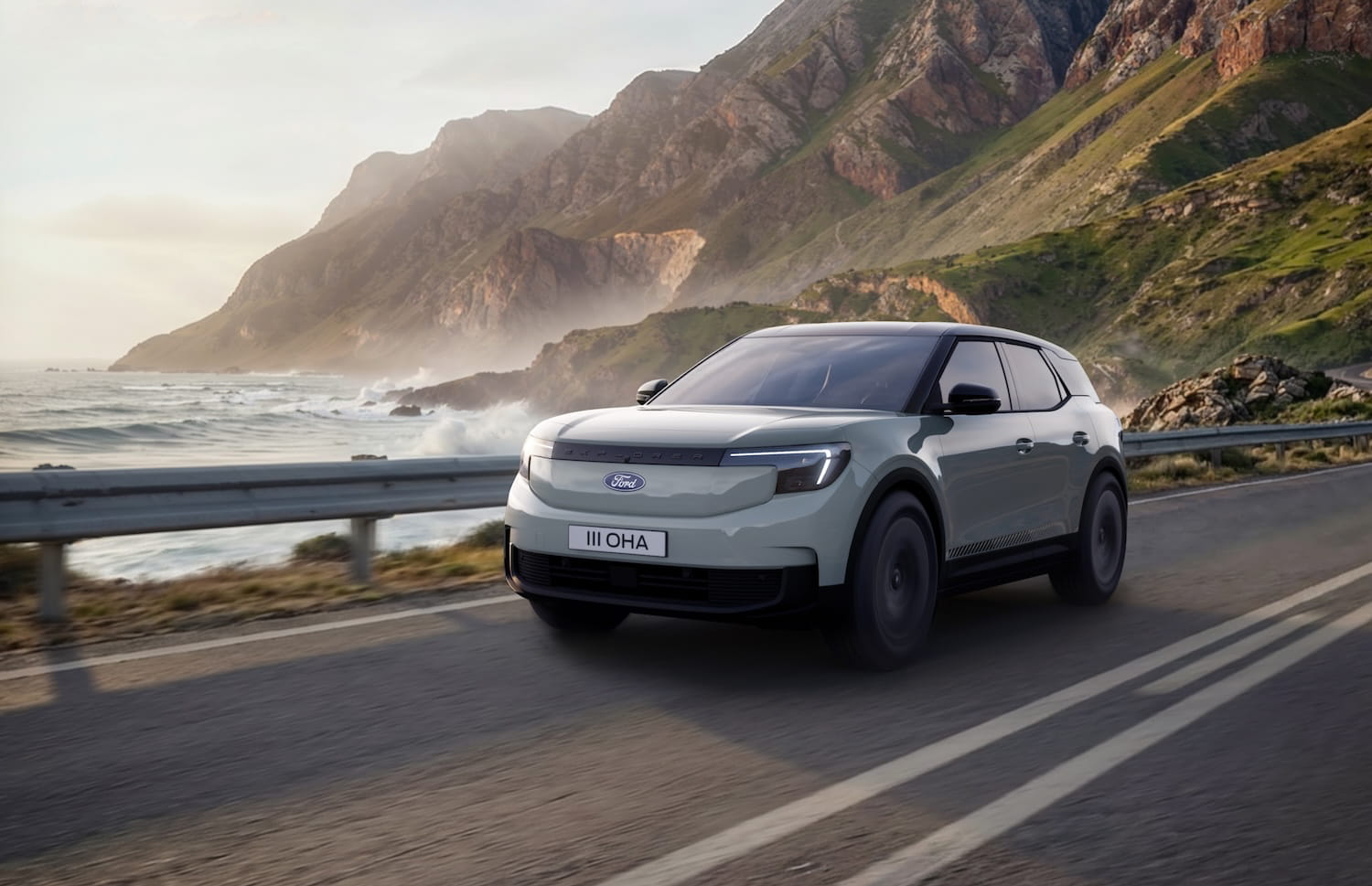
Ford also freshened the cabin with an Android-based SYNC Move infotainment system on the 14.6-inch moveable screen. A new Explorer Collection limited edition comes draped in Cactus Grey paint, satin black 20-inch wheels, and an interior finished in black and orange with knit seat inserts that mimic athletic gear. It’s lifestyle branding, sure, but it gives the showroom something to talk about.
“We’re always looking for ways to improve our vehicles,” said Christian Weingaertner, Ford Europe’s passenger vehicle chief. The statement is boilerplate. The execution is not.
This Explorer rides on Volkswagen’s MEB platform — the same bones underneath the ID.4 — and it’s built in Cologne. It shares almost nothing with the three-row, body-on-frame Explorer Americans know. That platform-sharing arrangement with VW gave Ford a shortcut into the European EV market, and the company is clearly exploiting it, layering on Ford-specific tech and features with each update.
Ford is trimming EV models stateside while investing real engineering effort into a European electric crossover built on a competitor’s architecture. The company that once defined American motoring is doing some of its most interesting EV work three thousand miles from home. The Americans commenting “why can’t we have this?” already know the answer. Ford doesn’t think they’ll buy it.
Share this Story