


There’s a growing list of electric vehicles that have been outright axed over the past couple of years. Lamborghini just buried the Lanzador project this week. But a quieter, stranger trend is emerging alongside the obituaries: automakers aren’t killing certain EVs so much as putting them on ice, hoping the market thaws before anyone notices they left.
Call it a hiatus, a pause, a strategic inventory recalibration. Whatever corporate euphemism you prefer, the result is the same. Several electric models that were on sale just months ago have vanished from showroom floors for 2026, with varying degrees of confidence that they’ll ever return.
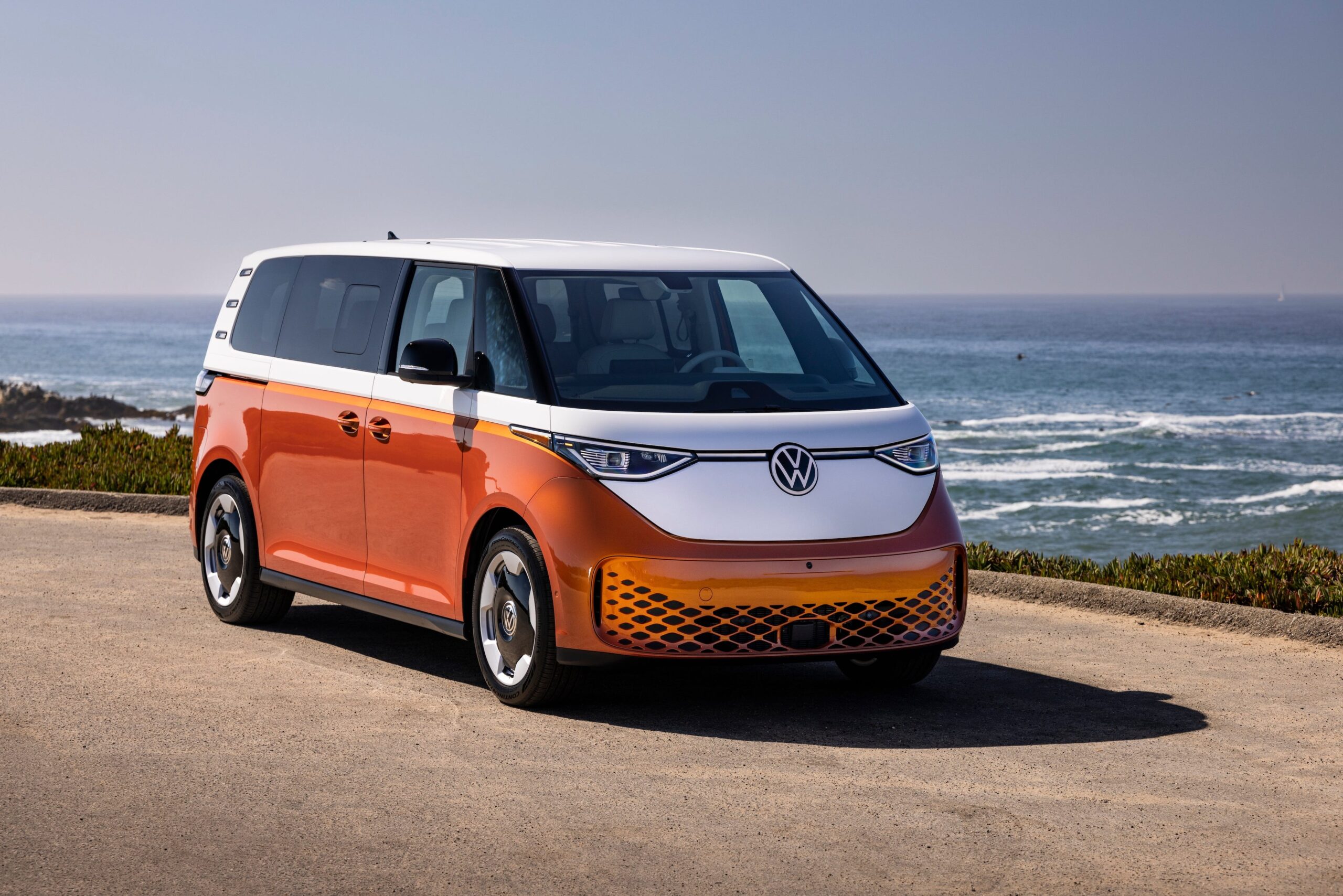
The most jarring disappearance is the Volkswagen ID.Buzz. The retro-styled electric van arrived for 2025 to genuine enthusiasm and solid reviews, and now it’s gone for 2026. VW’s statement to dealers was classic damage control, talking about “focusing resources” and “supporting retail performance” while clearing out unsold 2025 inventory. Translation: they built more Buzzes than people wanted to buy. VW says it’s prepping for a 2027 model year return, but skipping your second year on the market is never a great sign.
Audi pulled a similar move with the A6 E-Tron and Q6 E-Tron, though this one stings less. Both models are jumping straight from 2025 to 2027, with Audi claiming hardware and software updates were coming fast enough that a short 2026 run didn’t make sense. The 2027 versions already have full pricing announced, so this reads more like a calendar technicality than a crisis.

Hyundai’s Kona Electric is also sitting out 2026. Production is paused, with a restart slated for June when 2027 models begin rolling off the line. Hyundai says there’s “adequate stock” of 2025 models to meet demand. A search across major listing sites turns up somewhere between 50 and 105 new Kona Electrics available nationwide. That’s not exactly a glut, but apparently it’s enough when demand is this soft.
Then there’s the Dodge Charger Daytona R/T, and this one feels terminal. Dodge launched the electric Charger in two flavors, the base R/T and the beefier Scat Pack. The R/T was “postponed” for 2026, with tariffs cited as the culprit. Now it’s confirmed the R/T won’t be part of the 2027 lineup either. When a postponement stretches across two model years, you’re not looking at a hiatus. You’re watching a quiet funeral.
The Polestar 2 rounds out the list. The compact Swedish sedan was built in China, and when tariffs on Chinese-made vehicles spiked in 2025, the math simply stopped working. Polestar says a new version is coming, likely around 2028, but the current car is dead in America. The Polestar 4 has since arrived to fill the gap, though calling it a replacement for a sport sedan is generous.
What ties all of these together isn’t just sluggish EV demand. It’s the toxic cocktail of shifting tariff policies, the elimination of the federal EV tax credit, and inventory that’s piling up faster than buyers are showing up. Automakers are hedging their bets, keeping the door cracked open rather than slamming it shut, because admitting you killed an EV program carries a different weight than saying you paused one.
The distinction matters for investors, dealers, and brand perception. A cancelled car is a failure. A car on hiatus is strategic patience. At least that’s the story being told.
But here’s the uncomfortable truth: some of these models will come back, and some won’t. The Audi twins seem safe. The ID.Buzz has a fighting chance. The Charger Daytona R/T and the current Polestar 2 are probably never coming home.
The EV market isn’t collapsing, but it’s clearly recalibrating. And right now, the smartest move some automakers can make is to stop shipping cars nobody asked for and wait for the world to catch up to their product plans. Whether the world actually does is another question entirely.
Share this Story