



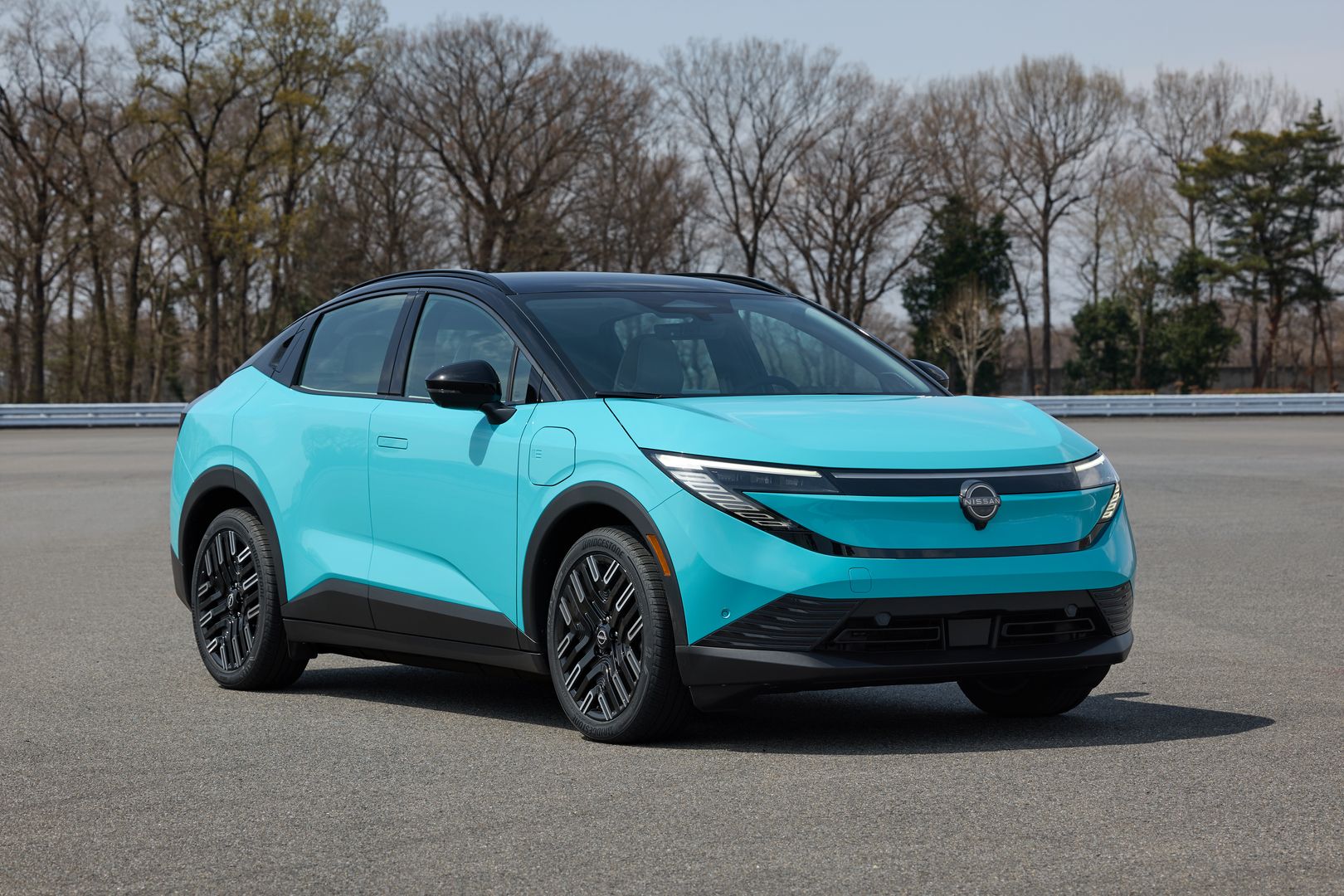
The Nissan Leaf — a nameplate that debuted 15 years ago as an oddball electric experiment most people ignored — just beat a Lamborghini Temerario and a Mercedes-Benz CLA for the top prize in one of the auto industry’s more distinctive awards programs.
Announced on International Women’s Day, the 2026 Women’s Worldwide Car of the Year award went to the third-generation Leaf after it topped a final field of six category winners, chosen by 86 female automotive journalists from 55 countries. The vote, according to WWCOTY Executive President Marta García, was remarkably tight.
“Several models received very similar levels of support,” García said. “In the end, however, the Nissan Leaf prevailed.”
The Leaf had already won the Compact Car category back in January, then survived a final round against the Škoda Elroq, Mercedes CLA, Hyundai Ioniq 9, Toyota 4Runner, and Lamborghini Temerario. That’s a spread ranging from a $40,000 electric hatchback to a mid-engine Italian supercar, which tells you something about the breadth of this jury’s mandate.
WWCOTY doesn’t pick a “woman’s car.” The organization, founded in 2009 by New Zealand journalist Sandy Myhre, exists to amplify women’s voices in an industry still overwhelmingly shaped by men. Vehicles are judged on safety, comfort, usability, efficiency, and value — criteria that sound mundane until you realize they describe what most people actually care about when they buy a car.
The jury praised the Leaf’s “coherent and realistic approach to electric mobility,” noting its smooth, quiet driving and architecture that prioritizes interior space over complexity. Those aren’t the kind of adjectives that generate viral headlines. They’re the kind that sell cars to people who just need to get to work.
Nissan CEO Ivan Espinosa called the win “a proud moment,” leaning into the Leaf’s origin story as the world’s first mass-market EV. When the original Leaf launched in 2010, Tesla was still a niche curiosity and most automakers treated battery-electric vehicles as compliance projects. The Leaf sold over 600,000 units across two generations before the EV market exploded around it.
The third-generation model, fully redesigned for 2026, arrives at a moment when Nissan badly needs good news. The company reported “steady third-quarter progress” in February and lifted its full-year outlook, but the past two years have been turbulent. Nissan has reshuffled leadership, cut costs, and watched competitors from China and Korea eat into segments it once owned.
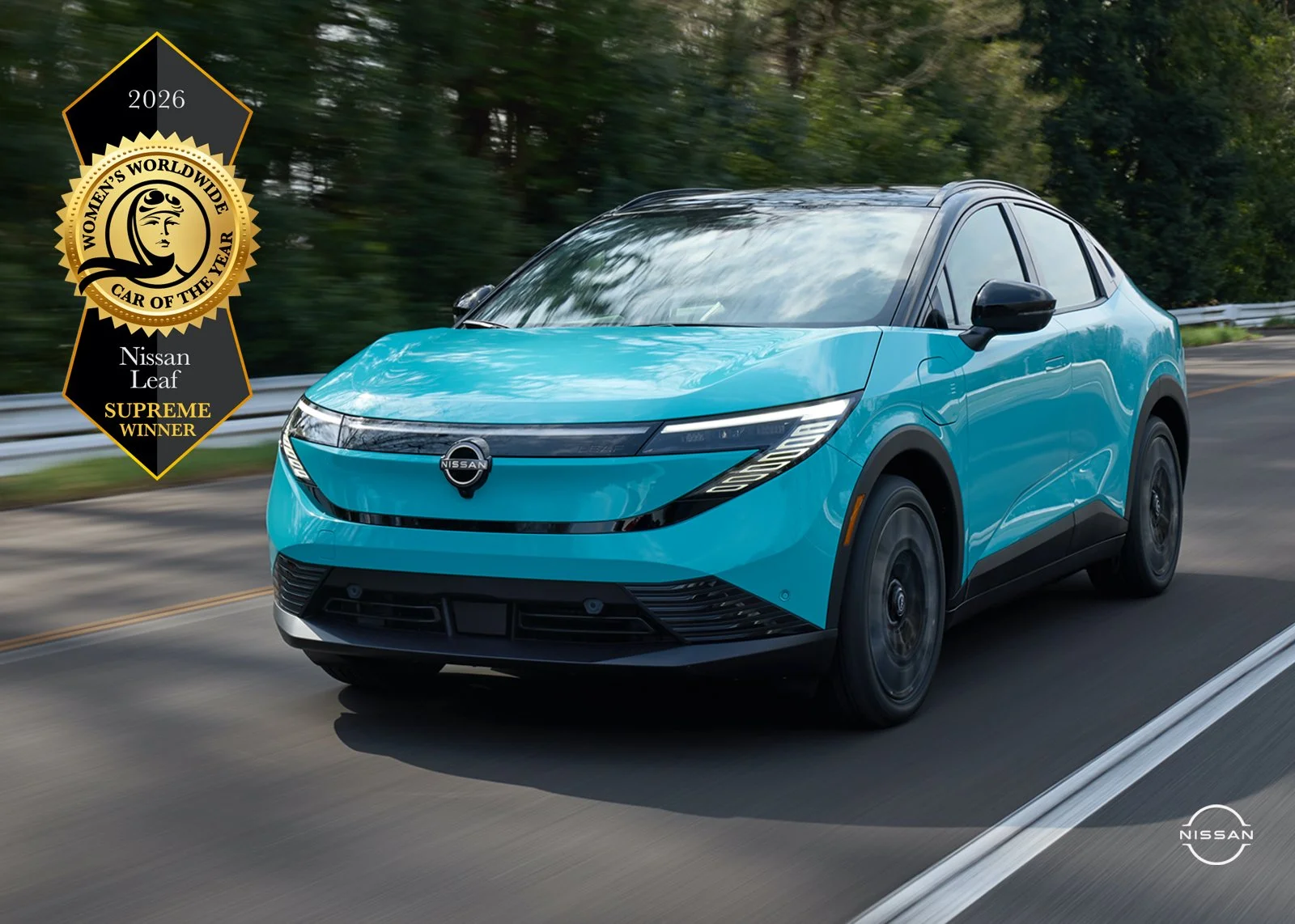
A WWCOTY trophy won’t fix a balance sheet. But it does something Nissan’s marketing department has struggled to pull off: it makes people talk about the Leaf again. The nameplate had grown stale, eclipsed by flashier EVs with bigger batteries and faster charging. This award repositions it as something different — an EV that doesn’t try to be everything, just useful.
The Leaf also recently picked up MotorWeek’s 2026 Drivers’ Choice Award for Best EV, suggesting the new generation is landing with critics in a way the outgoing model hadn’t for years. Pricing in the U.S. starts at $44,998, which plants it squarely in a segment where affordability still matters more than zero-to-sixty times.
Nissan built the first mainstream electric car. Whether the company can still compete in the mainstream electric market it helped create is a different question — one a trophy alone can’t answer.

Share this Story