


Volvo is facing one of its most uncomfortable moments in recent memory. The Swedish automaker has announced a recall of 40,323 EX30 electric SUVs worldwide because their high-voltage battery packs risk overheating and potentially catching fire.
The recall affects both EX30 Single-Motor Extended Range and Twin-Motor Performance models. Volvo says it is now reaching out to every affected owner to walk them through next steps, which will ultimately involve replacing battery modules free of charge.
In the meantime, the company has a blunt interim directive: do not charge your EX30 past 70%. Volvo has also been telling owners in more than a dozen countries, including the United States, Australia, and Brazil, to park away from buildings since December.
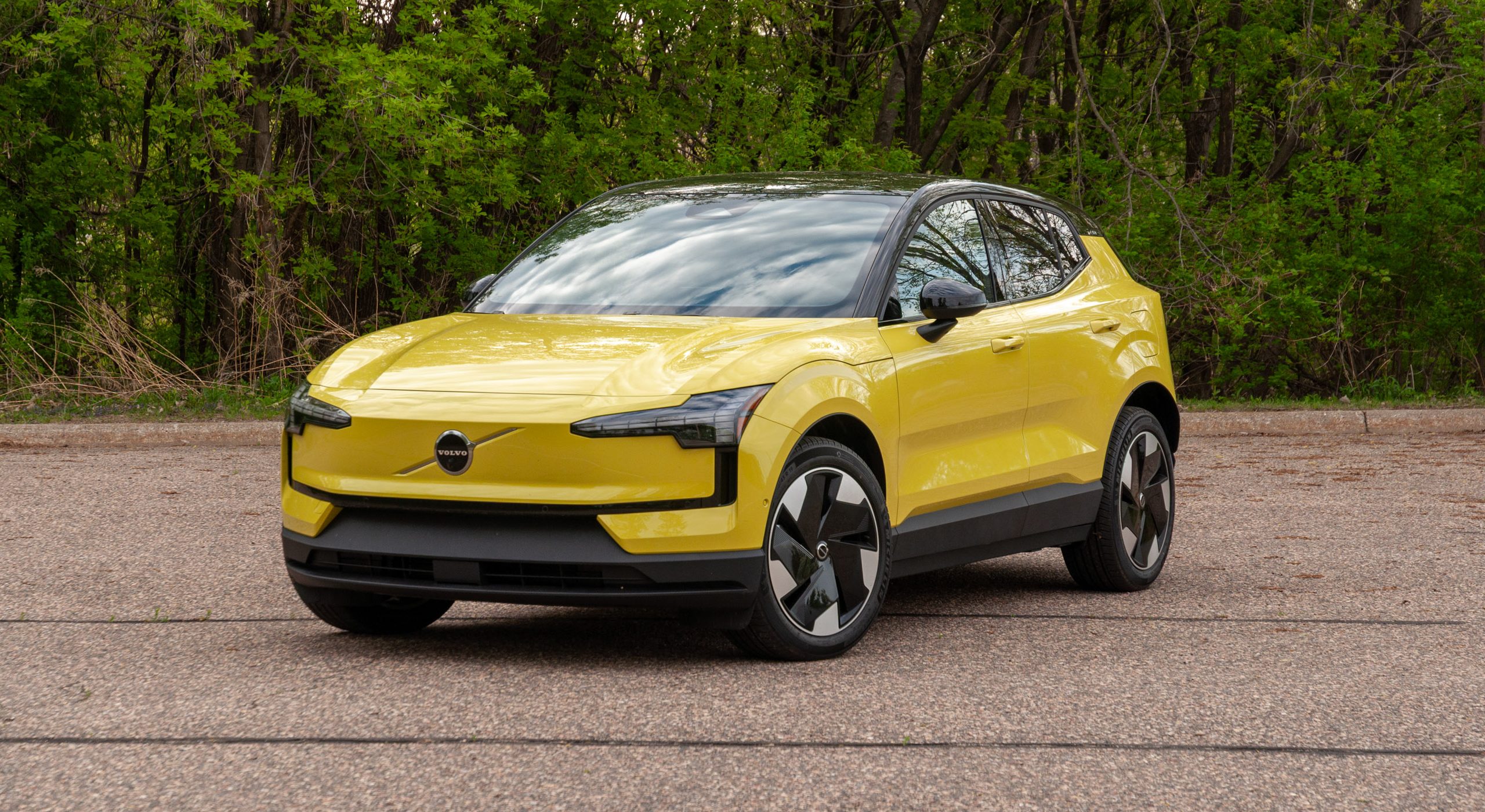
That parking guidance alone tells you how seriously Volvo is treating this. And it should. This is a brand that has built its entire identity around safety for decades. A battery fire risk cuts right to the bone.
“Volvo can’t afford a safety issue because that strikes at the heart of their brand,” said Andy Palmer, an industry veteran who oversaw the launch of the Nissan Leaf EV back in 2010.
The batteries in question were manufactured by Shandong Geely Sunwoda Power Battery Co., a joint venture backed by Volvo’s parent company, Geely. Volvo says the supplier has identified and corrected the problem and will provide the replacement cells.
The financial hit could be significant. A Reuters analysis estimates the replacement battery modules alone could cost around $195 million, and that figure does not include logistics or labor. Volvo pushed back on that number, calling the calculations “speculative,” and said it was in discussions with the supplier about costs.
This recall lands at a particularly awkward time. Volvo is in the middle of a $1.9 billion cost-cutting initiative and deeper integration with Geely. The EX30 is a key model in the automaker’s strategy to compete with cheaper Chinese EV brands flooding global markets. Shares dropped 4% after the recall was first reported.
Battery defects are not unique to Volvo. General Motors learned that lesson the hard way in 2020 when a fire risk forced a recall of 140,000 Chevrolet Bolts, ultimately costing $2 billion to resolve. But the sting is different for Volvo because no other automaker has leaned so heavily on safety as a core selling point.
Some owners are already fed up. British EX30 owner Matthew Owen told Reuters that Volvo should take full responsibility for “producing a car that is dangerous.” Tony Lu, an owner in New Zealand, said the 70% charging cap has slashed his range and driven up costs. He wants Volvo to buy the car back.
Sam Fiorani of AutoForecast Solutions put it simply: “The EX30 especially is very important to Volvo, so they have to get it right.
Getting it right now means replacing thousands of battery packs across the globe, keeping owners calm, and proving that the safety reputation Volvo has spent a lifetime building can survive the EV era. The clock is ticking.
Share this Story