
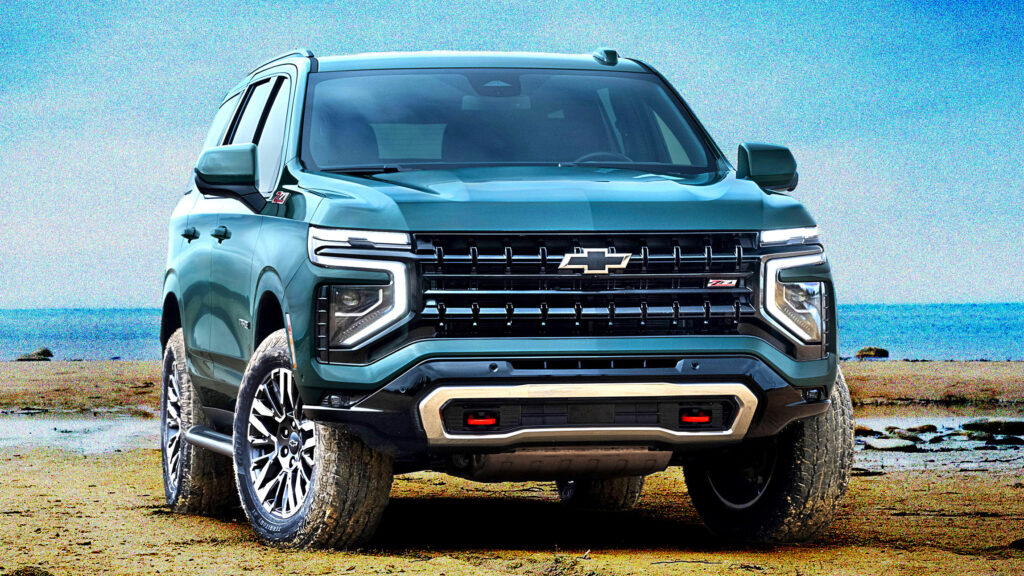


A missing tube the size of your forearm has prompted General Motors to issue a do-not-drive order on 66 full-size trucks and SUVs. This is the kind of drastic move the automaker reserves for situations where driving to the dealership itself is the danger.
The affected vehicles span the 2026 Cadillac Escalade, Chevrolet Tahoe, Suburban, Silverado 1500, GMC Yukon, Yukon XL, and Sierra 1500, all equipped with all-wheel drive. A smaller batch of older models from 2015 through 2020 got pulled in too, because they may have received the same flawed replacement parts during earlier service work.
The culprit is embarrassingly simple. Some transfer case assemblies shipped from supplier Magna Powertrain’s factory in Mexico without an oil pickup tube installed. No tube, no lubrication. No lubrication, and a component that splits torque between two axles at highway speed starts eating itself alive.
GM’s recall documents describe the endgame bluntly: internal failure of the transfer case, potentially locking the wheels while the vehicle is in motion. Drivers might hear grinding noises first. They also might not.
Picture a 6,000-pound Suburban seizing its axles at 70 mph in traffic. That’s the scenario GM is trying to prevent, and it explains why the company skipped the usual “schedule a visit at your convenience” language and went straight to “stop driving.”
Sixty-six vehicles is a rounding error in GM’s production volumes. The Silverado 1500 accounts for 16 of them, the Sierra 1500 another 12, and five Yukons round out the largest clusters. The rest are scattered across Escalades, Tahoes, Suburbans, and Yukon XLs in ones and twos. But the small number makes the severity of the response more striking, not less.
Magna Powertrain says it has already corrected its manufacturing process and added validation steps to catch the defect. That’s reassuring in the way that locking the barn door always is. The question nobody is answering publicly is how a transfer case rolls off an assembly line missing an entire pickup tube without anyone noticing until vehicles are already on roads and in customer driveways.
GM has instructed dealers not to sell or demonstrate any affected units. Owners don’t need to figure out how to get a vehicle they’ve been told not to drive to a service bay — towing will be provided. Dealers will inspect the transfer case and replace it where necessary, at no cost.
The recall also touches a handful of older-generation trucks and SUVs that received replacement transfer cases during prior repairs. Three 2017 Tahoes, three 2020 Suburbans, and a smattering of others from the K2XX and T1XX platforms made the list. That suggests the defective assemblies weren’t confined to a single production run or era.
For GM, the timing is awkward. The 2026 model year represents the latest refresh cycle for its most profitable vehicles, the full-size trucks and SUVs that bankroll everything else the company does. A stop-drive recall on brand-new units, even just 66 of them, lands differently when customer trust in quality is the ask.
Magna supplies transfer cases to multiple automakers. Whether this lapse was isolated to GM-bound units or wider remains unclear. Neither company has said.
Owners of affected vehicles should have already received notification. Anyone unsure can check NHTSA’s recall database or contact their dealer with a VIN. In the meantime, the instruction from Detroit is unambiguous: don’t turn the key.

Share this Story