
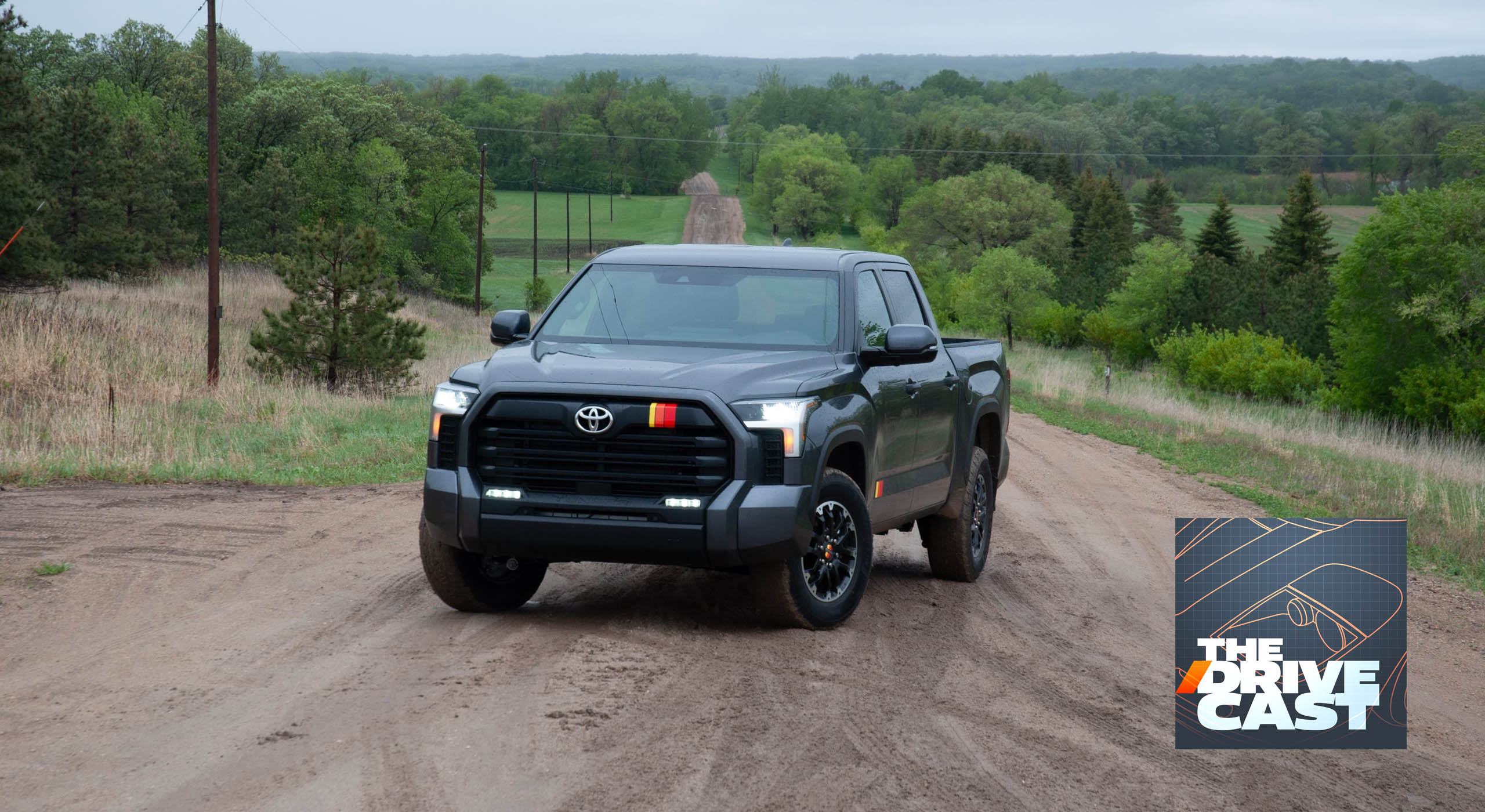


Toyota built the Tundra’s reputation on a simple formula: a naturally aspirated V8 that would rust out before it quit running. That formula is dead. In its place sits a twin-turbo 3.4-liter V6 with a manufacturing defect that has now triggered recalls covering more than 270,000 vehicles and counting.
The problem is metal debris, known in manufacturing as swarf, left inside the engine during assembly. When a piece of the right size and shape adheres to main bearing number one, the bearing spins and the engine suffers sudden, catastrophic failure. Tundras have been photographed dead on interstate shoulders, and dealership service bays are lined with trucks waiting for full engine replacements.
Toyota has been fighting this for two years. It recalled more than 100,000 Tundras initially, along with Lexus LX and later GX models that share the same powerplant. The original fix, tearing down engines and replacing only the affected components, wasn’t enough.
Toyota escalated to full engine replacements. Then it expanded the recall. Just weeks ago, another 44,000 trucks were added.
The company has completed roughly 77,000 recall repairs so far. But a deeply uncomfortable question lingers: replacement engines may suffer from the same flaw.
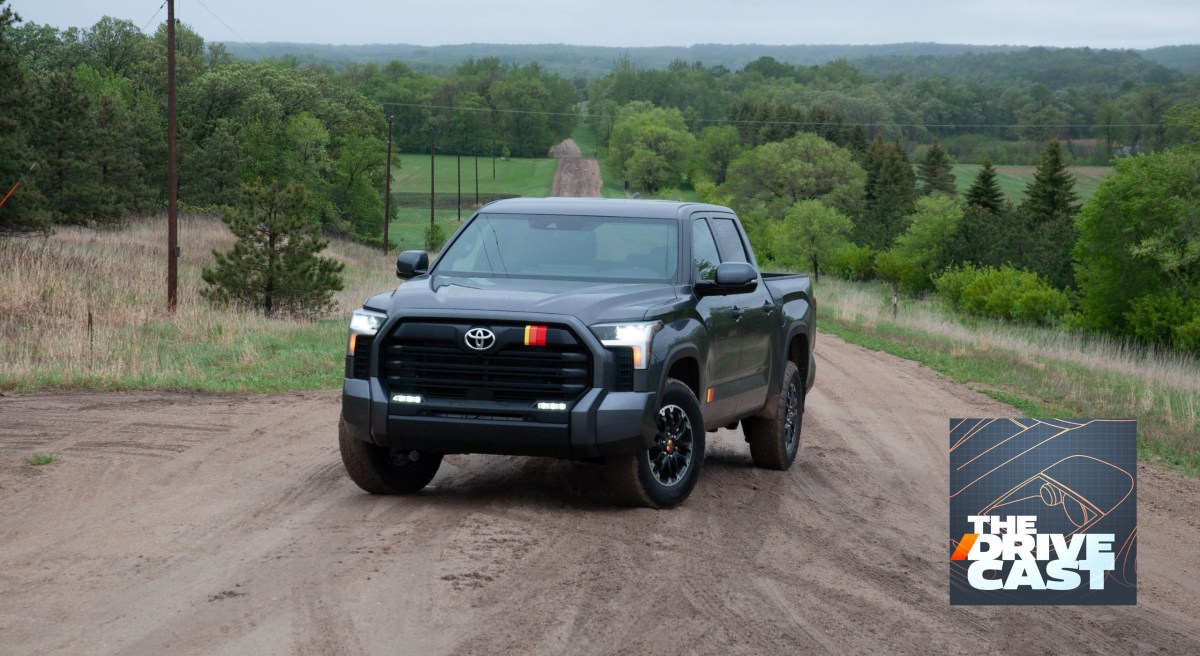
Toyota insists this is a manufacturing issue, not a design defect. The distinction matters less when the assembly process keeps producing engines with debris that the engine’s own tight tolerances cannot tolerate.
And that’s the cruel irony. Toyota engineered this V6 to be overbuilt. The powertrain is wrapped in an almost absurd number of cooling systems, with multiple radiators, heat exchangers, a transmission cooler, and a hybrid inverter radiator. Engineers obsessed over thermal management and missed metal shavings.
Older engines with looser tolerances and lower cylinder pressures could swallow stray manufacturing debris without complaint. This new V6, running hotter and tighter to extract maximum efficiency, cannot. NHTSA recall documents lay out Toyota’s repeated attempts to solve the contamination problem through changes to internal pressures and assembly procedures, and it keeps happening.
The timing makes it worse. Toyota is simultaneously navigating a generational changeover across nearly its entire truck and SUV lineup. The 4Runner jumped from a five-speed automatic to modern gearing, the Tacoma finally ditched drum brakes, and platform sharing expanded while electrification and hybridization arrived all at once.
This came after decades of famously conservative, glacially paced product development. The second-generation Tundra ran for 14 years. Toyota took its time, and customers rewarded that patience with fierce loyalty.
Now the company faces class-action lawsuits, not just over the V6 engine, but also over a new eight-speed transmission shared across multiple models. The legal exposure is widening alongside the recall numbers.
Meanwhile, every domestic competitor still offers a V8 in its full-size truck. Ford has the 5.0-liter Coyote, GM has the 6.2-liter V8, and Ram only recently retired its Hemi for the Hurricane inline-six. When Toyota killed the 5.7-liter V8 and went all-in on a forced-induction six-cylinder, the pitch was progress: more power, better efficiency, a modern truck for a modern era.
The Tundra is more capable on paper, with a fully boxed frame, a stronger transmission, and competitive towing numbers. None of that matters if the engine grenades at 30,000 miles.
Toyota has earned decades of goodwill. The brand’s reliability reputation is arguably its single most valuable asset, worth more than any badge, trim level, or marketing campaign. Burning through that equity 44,000 trucks at a time is a dangerous game. The company says it’s working on it, but the recall numbers say the work isn’t done.
Share this Story