
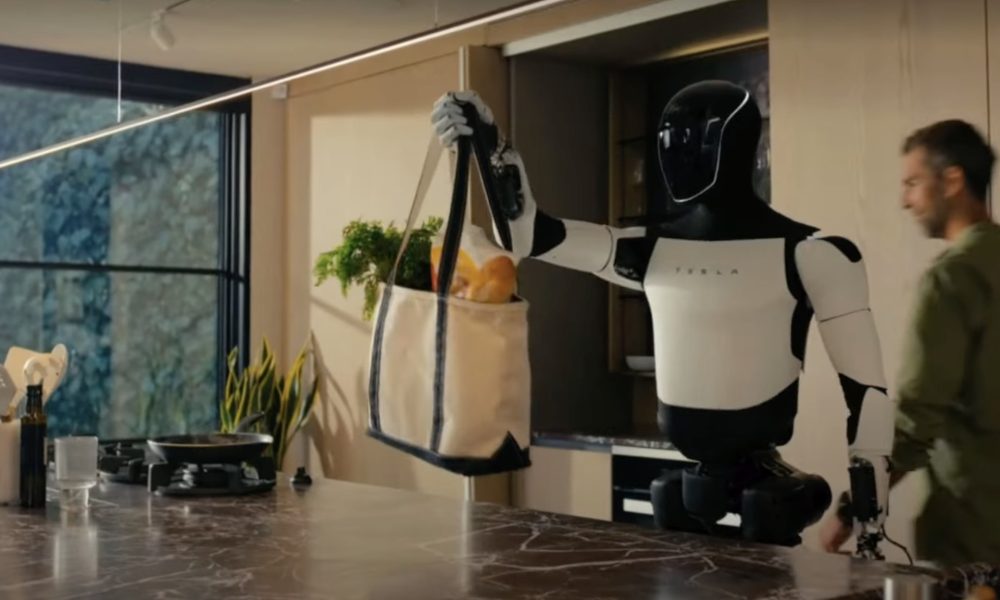


Tesla’s smartphone app now contains dedicated code strings for the Optimus humanoid robot, including Bluetooth authentication protocols and in-home data collection consent screens. The company is building the software scaffolding for a product it hasn’t shipped yet. And it’s doing it the same evening it reports Q2 earnings to a shareholder base hungry for proof that the robot is real.
The findings, first reported by Tesla App Updates, reveal three distinct additions. First, a “Robot” phone key system using Bluetooth Low Energy authentication that creates a whitelist of authorized devices. Only approved phones can communicate with anything Tesla classifies as a robot, a category that apparently includes both Optimus units and Robotaxi fleet vehicles.
Second, and more telling, is a home data collection framework. The app now includes a consent screen asking users to authorize video and spatial data capture while Optimus performs household tasks. Vacuuming, dishwashing, dusting — all tracked, all feeding back into what amounts to an in-home neural network for the robot.
Third, a system alert dashboard covering battery levels and mechanical issues. Think of it as the robot equivalent of your Model 3 telling you a tire is low.
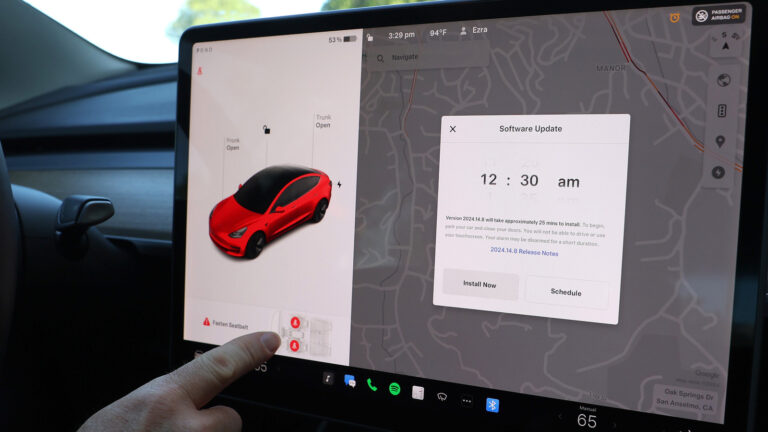
None of this means Optimus is shipping tomorrow. But burying these features inside a production app update — alongside the 2026 Summer Update’s navigation fixes and custom wrap previews — is a different kind of signal than a conference stage demo or a Twitter promise. This is plumbing. The boring, essential work that precedes a product launch.
The timing matters. Tesla reports Q2 earnings tonight, and the third most popular retail investor question on Say is specifically about Optimus Gen 3 production ramp, factory deployment status, and external sales volume for 2027. Institutional investors, meanwhile, are asking pointed questions about Tesla’s data disadvantage with Optimus compared to the billions of real-world driving miles that trained its autonomous vehicle stack.
That second question is the sharper one. Tesla built its FSD advantage on a fleet of millions of cars collecting data every day on public roads. Optimus has no equivalent. The in-home data collection consent screen buried in this app update is Tesla’s first visible attempt to solve that problem, turning early adopters’ kitchens and living rooms into training environments.
It’s the same playbook Tesla has run since 2016 with Autopilot: ship hardware, collect data from real-world use, improve the software, repeat. The difference is that a car drives on roads that are mapped and governed by traffic laws. A home is unstructured, unpredictable, and deeply private. The consent screen isn’t just a legal checkbox. It’s an acknowledgment that Tesla knows what it’s asking for.
Meanwhile, the Bluetooth authentication system quietly reveals something about Tesla’s product architecture. Lumping Optimus and Robotaxi vehicles into the same “robot” classification suggests Tesla is building a single security and communication layer across its autonomous products. One app to control your car, your ride, and your household robot. That’s either elegant engineering or a single point of failure, depending on your disposition.
Elon Musk has called Optimus the greatest-selling product of any kind in history. That’s the sort of claim that deserves exactly the skepticism it invites. But the gap between promise and product narrows when code starts appearing in shipping software. Press conference robots can be staged. App authentication protocols are harder to fake.
Tesla’s Q2 shareholder deck drops at 4 p.m. Eastern today, with the earnings call at 5:30. If management doesn’t address Optimus deployment timelines with something more concrete than vision statements, the app code will have said more than the executives did.


Share this Story