
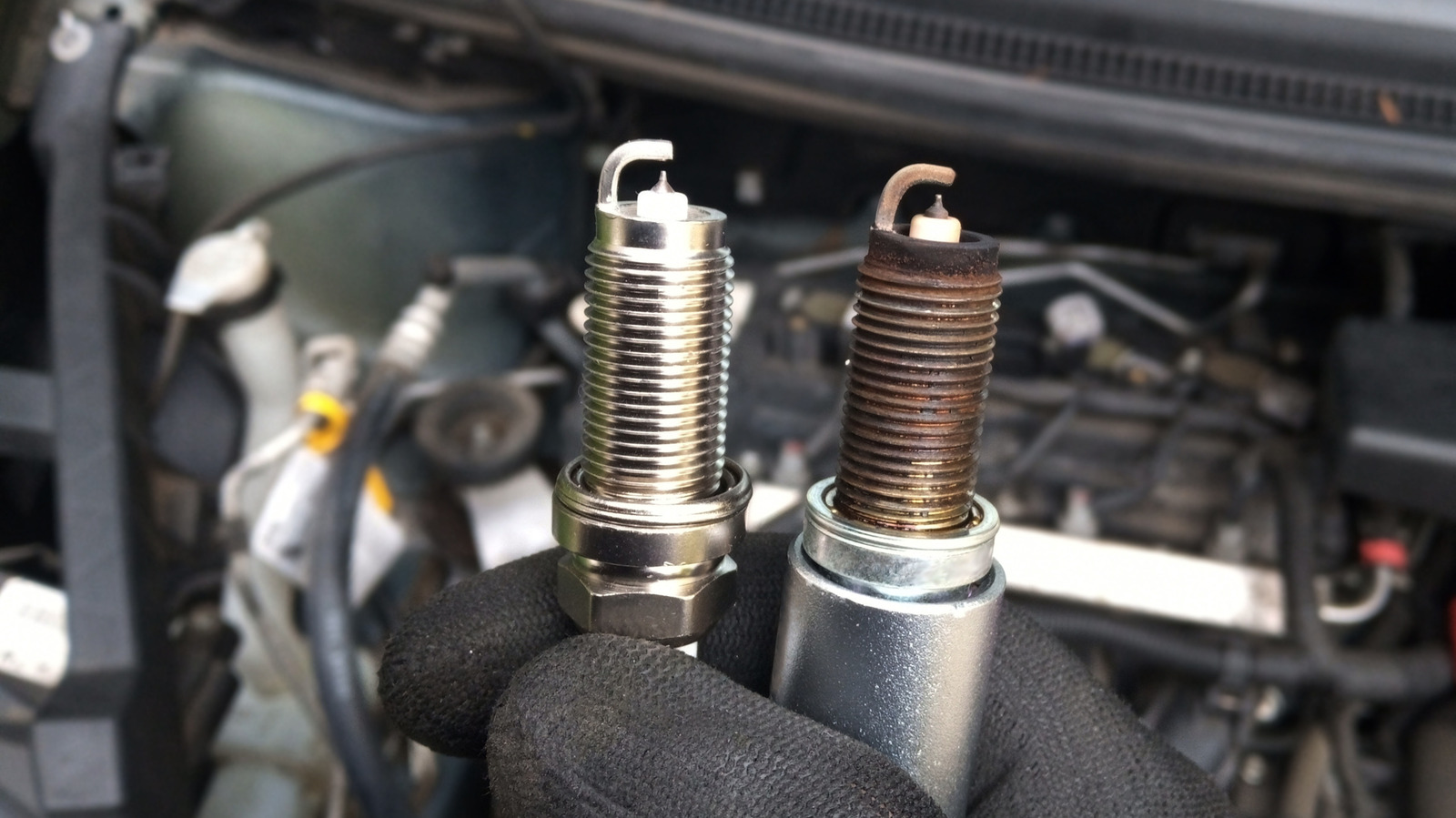


The most honest line in the spark plug aisle comes from a company that sells spark plugs.
NGK warns that any brand promising real power gains from plugs alone in a stock or near-stock engine “is making blanket statements that may not be supportable.” That is a manufacturer talking its own product down. Pay attention when that happens.
The horsepower plug is one of the oldest myths in the garage. It has floated around for decades, passed between enthusiasts and pushed by packaging that hints at more than it delivers.
The physics never backed it up. A spark plug has one job. It lights the air and fuel in the cylinder, and the combustion that follows drives the piston down.
That’s it. It doesn’t add air, and it doesn’t add fuel. Put a premium set into a healthy engine that already fires cleanly, and the output stays exactly where it was.
So why do so many drivers swear they felt a difference? Because many of them did. They just blamed the wrong thing.
Plugs live a hard life. Every firing cycle hits them with pressure, heat, combustion deposits and electrical discharge, and the electrode wears away a little at a time.
As it erodes, the gap the spark has to jump gets wider. Deposits build up and get in the way. Performance leaks out so slowly that most owners never notice it going.
Then a fresh set goes in, and the lost performance comes back. The car feels stronger because it had been running weaker than it should. That’s a repair, not an upgrade.
NGK puts it the same way. New plugs can bring a stock engine back to where it was designed to be. They can’t push it past that point.
The same goes for almost any worn part. Swap tired shocks or a clogged filter and the change feels dramatic, because you’re comparing against decline, not against factory spec.
Modified engines are the one place where plug choice really matters. A tuned motor running extra boost or different internals needs a plug built for those conditions.
Even there, the plug isn’t making power. It’s keeping the engine from wasting power it already has. The turbo, the tune and the hardware still do the real work.
Iridium is where the marketing gets loudest. The metal resists wear and allows a finer firing tip, which helps the plug spark reliably for longer.
That’s a durability story. There’s no proven horsepower gain from the material itself, whatever the box says.
Plenty of engines already leave the factory with precious metal plugs. In those cases, an iridium replacement just puts back what the engineers chose in the first place.
The downsides are practical. Iridium plugs cost more, and their thin tips need careful handling during installation.
The two biggest names don’t even agree on gapping. Denso says not to adjust the gap on its iridium plugs at all. NGK allows careful adjustment on some plugs, but only by moving the ground electrode.
Bend the wrong part and a premium plug becomes an expensive mistake.
The right plug, almost every time, is the one specified for your engine. Not the priciest one on the shelf, and not the one with the boldest claims on the box.
Plug makers will keep selling the upgrade dream. At least one of them has already admitted, in writing, where that dream ends.





Share this Story