
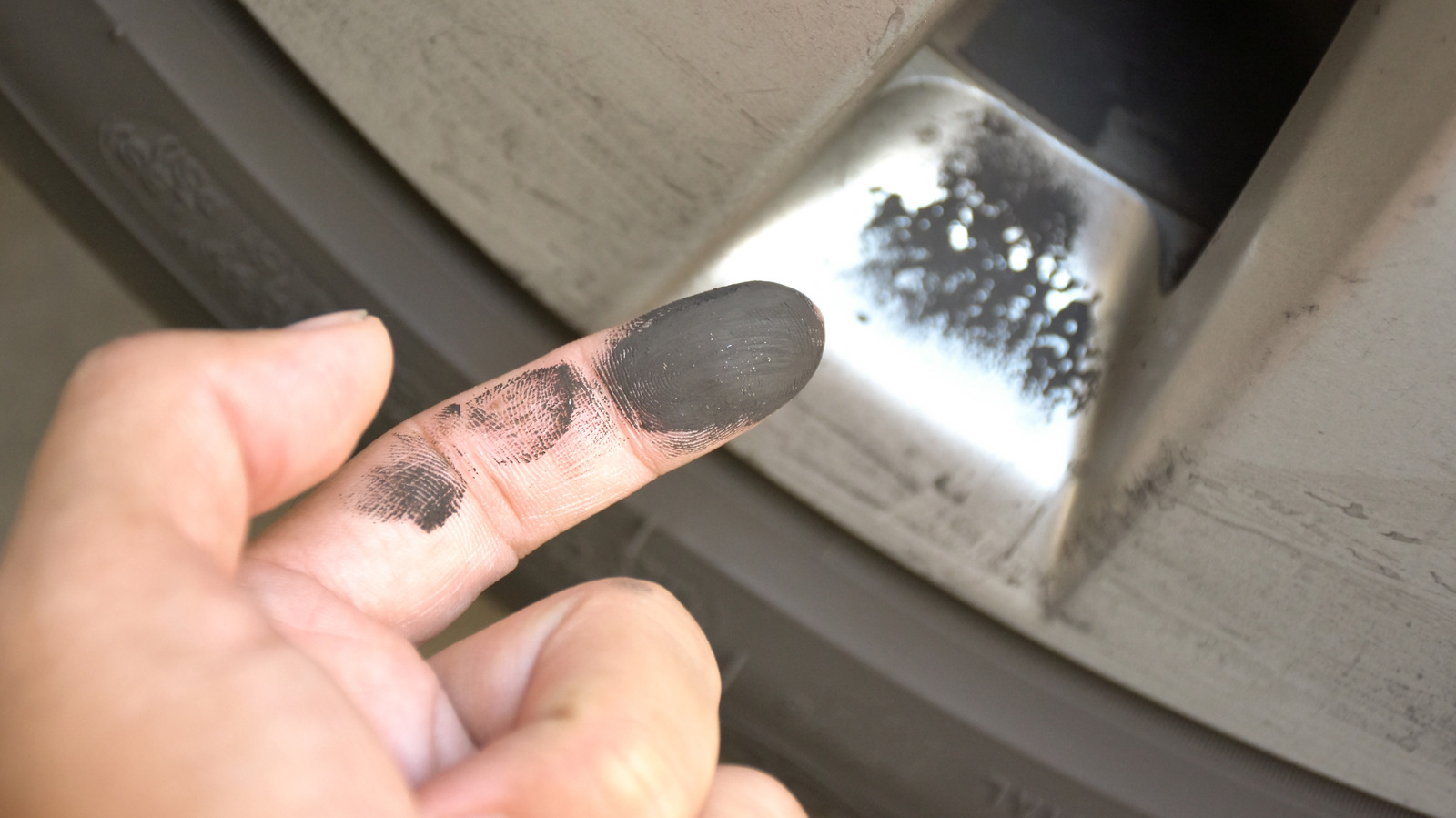


Every time you touch the brake pedal, your car sheds a little of itself. Pads and rotors grind against each other, and the fragments have to go somewhere.
Some of that debris drifts into the air. One study found it more harmful to our lungs than diesel emissions, which should unsettle anyone who assumed the tailpipe was the only dirty end of a car.
The rest lands on your wheels. That’s where a lung problem becomes a wallet problem.
Chris Chilton laid it out plainly at CarScoops this week. Brake dust settles into a dull coating that makes a tidy, low-mileage car look like a tired workhorse. Leave it long enough and it stops being dirt and starts being damage.
Neglected dust can permanently stain alloys. Professional repair runs around $150 per wheel.
Do the math on a set of four. That’s six hundred dollars to undo something a bottle of wheel cleaner and ten minutes on a Sunday would have prevented.
Plenty of owners assume this is a track-day problem. It isn’t.
Hard braking does release more dust and ruin wheels faster. But the gentle stops of a daily commute coat rims too, just more quietly, and that quiet is what lets it build up.
The fix isn’t complicated.
If your wheels show no visible buildup and you wash every week, the same shampoo you use on the paint will do. Nothing fancy. Consistency matters more than product.
Once the black powder has taken hold, ordinary soap won’t cut it. You need a dedicated spray-on wheel cleaner, made to loosen brake dust without attacking the finish underneath.
Order of operations is where most people go wrong.
Hose the wheels down with clean water first. That flushes away grit that a brush would otherwise drag across the surface, leaving fine scratches.
Then spray the cleaner generously over the entire rim. Hit both sides of every spoke and every recess. Intricate designs look sharp in the brochure and trap dust in the driveway.
Then wait. Give it a couple of minutes, the way you’d leave a crusted casserole dish to soak in the sink.
This is the step people skip, and it’s the one where the cleaner actually does its job.
Next comes a proper wheel brush, with bristles soft enough not to mark the finish. A second, smaller brush handles tight spots like the lug nut holes, where grime hides longest.
Rinse off the dirty foam and look closely. If dust still clings to the awkward corners, go again.
When the wheels come up clean, dry them with a fresh microfiber towel. Then add a wax or sealant, which makes it harder for dust to stick before the next wash.
None of this needs a garage full of equipment or a detailing obsession. It just needs doing regularly, which is exactly the part that slips when life gets busy.
And the dust keeps falling either way. Every stop, every mile, whether you’re watching your wheels or not.


Share this Story