
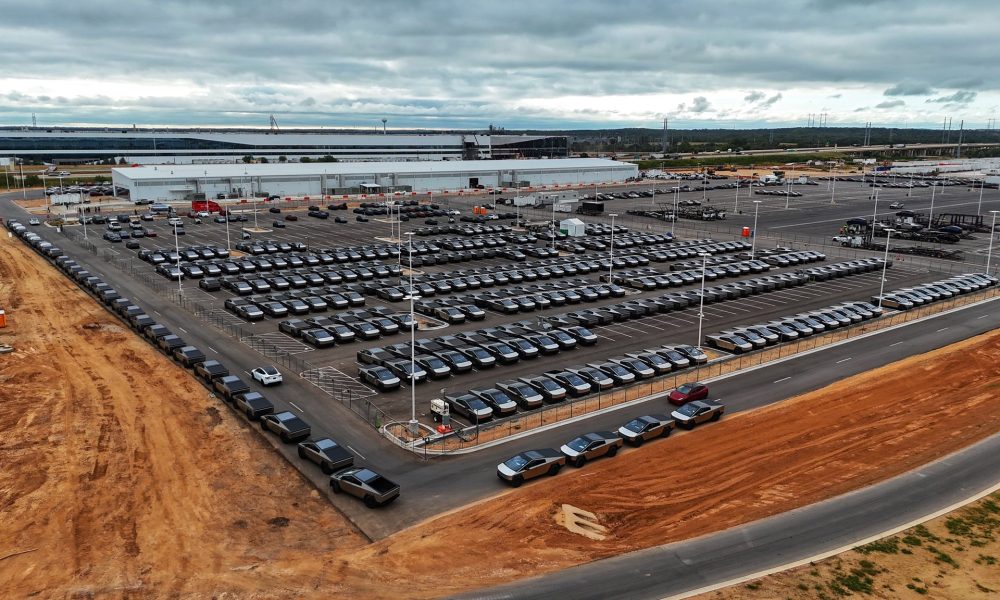


Analysts expect Tesla to deliver 406,024 vehicles in Q2 2026. That number, surveyed across 22 major banks and brokerages, would represent a solid sequential jump from Q1’s 358,023 units. And yet almost nobody on Wall Street seems to care.
That is the real story buried inside Tesla’s quarterly delivery consensus release. The automaker that once lived and died by its delivery numbers, that sparked selloffs when it missed by a few thousand units, has quietly trained the market to look somewhere else.
Tesla peaked at 1.81 million annual deliveries in 2023. It has declined in the two full years since. Q1 2026 came in at a 6.3 percent year-over-year gain but still fell short of the 365,000 to 370,000 range Wall Street had penciled in. A miss like that used to be a five-alarm fire. Now it barely registers.
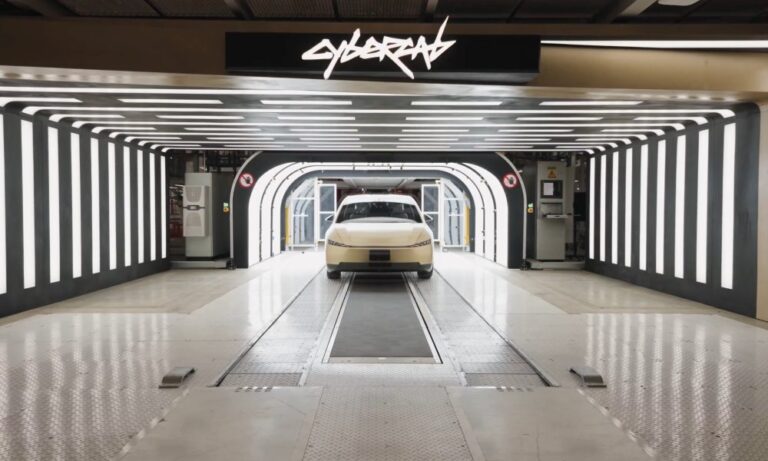
The reason is Robotaxi. Tesla has successfully pivoted investor attention toward its autonomous ride-hailing ambitions, its Cybercab production ramp at Gigafactory Texas, and its plans to expand driverless operations into new cities. The billions of real-world miles logged by the existing fleet are the new currency. Deliveries are becoming a sideshow.
And the regulatory environment is falling into place almost on cue. NHTSA just commenced rulemaking to eliminate the requirement for manual brake pedals in vehicles designed exclusively for autonomous operation, a rule change tailored almost perfectly for the pedalless, steeringless Cybercab. The Trump Administration is openly cheering the effort, with NHTSA Administrator Jonathan Morrison comparing it to the advent of the Model T.
Meanwhile, the competitive landscape keeps thinning out. Polestar, majority-owned by China’s Geely, was just denied authorization to sell new vehicles in the United States starting with the 2027 model year. The Department of Commerce cited the Connected Vehicle Rule, which bars cars containing connected technologies linked to China or Russia on national security grounds.
Polestar will sell off remaining inventory of the Polestar 3 and 4, then exit. It represented just 6 percent of its own global volume in the U.S., but it was still a direct competitor to the Model 3 and Model Y in the premium EV space. Now it is gone.
Tesla, domestically headquartered and vertically integrated, faces none of these regulatory tripwires. High tariffs on Chinese-made EVs and connected vehicle restrictions are reshaping the American market in its favor without Tesla having to lift a finger.
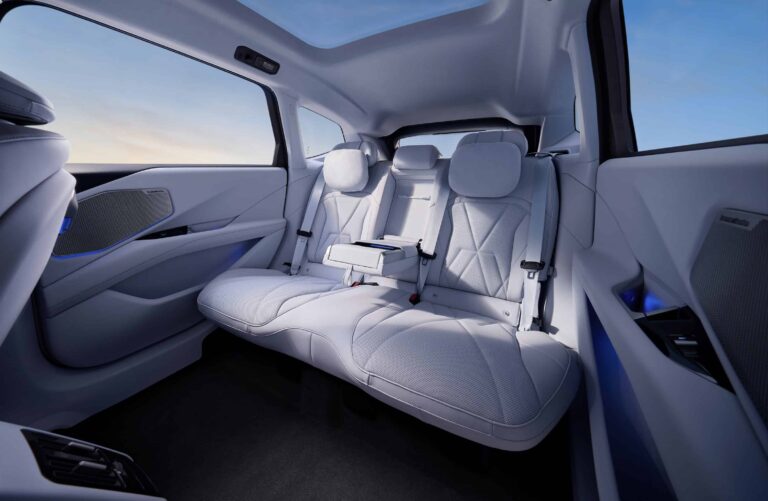
On the product side, the company is preparing to bring the Model Y L, the longer-wheelbase, six-seat variant that became a hit in China, to U.S. production at Gigafactory Texas as early as September. With the Model S and Model X both discontinued earlier this year, Tesla needs a larger family vehicle. The Model Y L fills that gap with 150mm of extra wheelbase and captain’s chairs in a 2+2+2 layout.
So Tesla is simultaneously shrinking its traditional car lineup, growing its robotaxi infrastructure, benefiting from regulatory barriers that knock out foreign competitors, and telling investors that deliveries are yesterday’s metric.
The 406,024-unit consensus for Q2 is fine. It is adequate. It will probably generate a shrug. Three years ago, that number would have been the entire earnings story. Today it is a footnote beneath the Cybercab production timeline, the NHTSA rulemaking docket, and the latest Robotaxi expansion city.
Tesla built its empire selling cars. It is now building its valuation on the promise of not needing drivers in them. Whether the 22 banks surveyed for that delivery consensus fully appreciate the irony is another question entirely. The car company that taught Wall Street to obsess over quarterly delivery numbers has now taught Wall Street to forget them.

Share this Story