
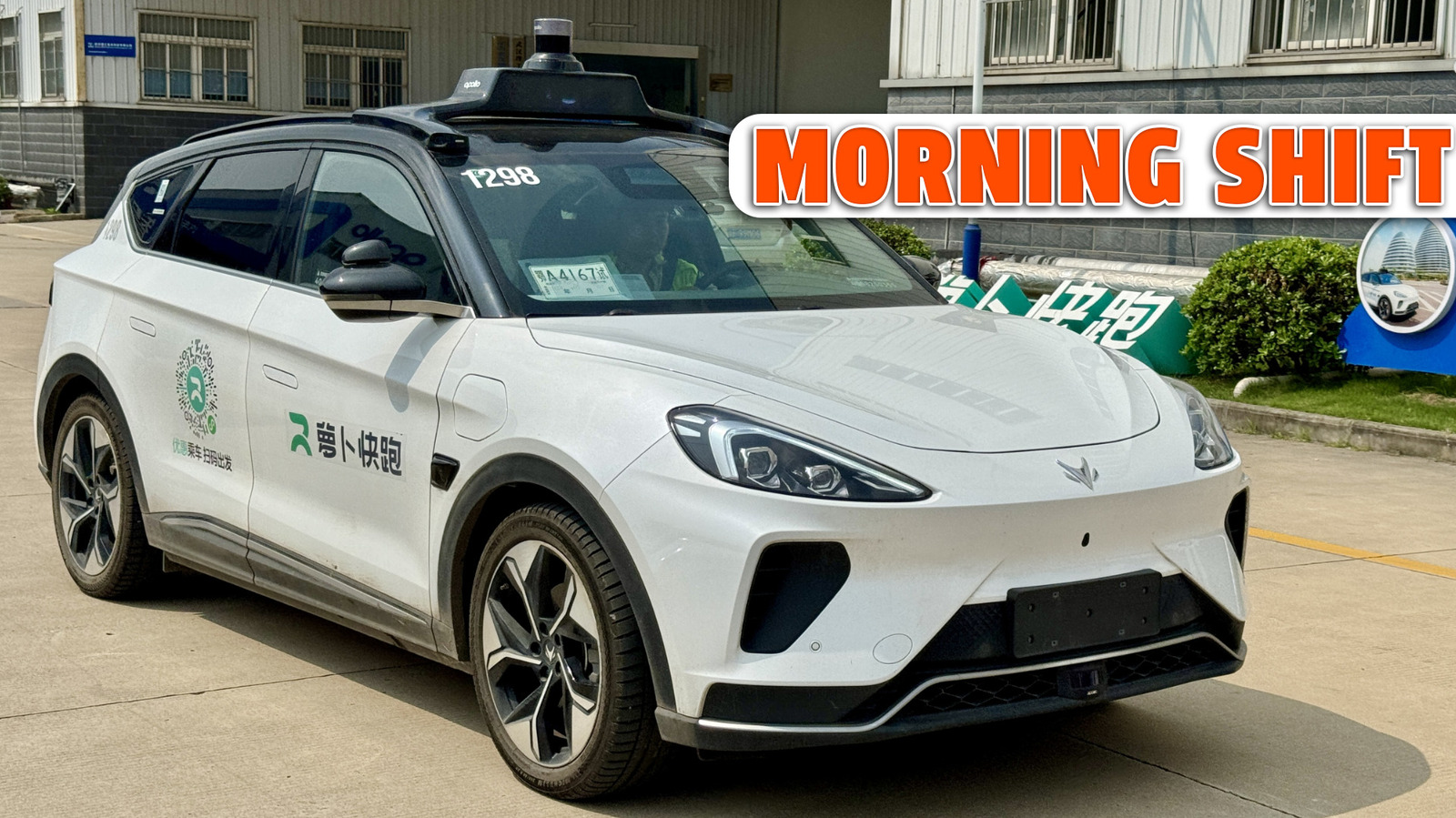


Dozens of Baidu’s Apollo Go robotaxis stopped dead in the streets of Wuhan in March, stranding passengers and snarling traffic across one of China’s largest cities. A month later, Beijing responded with something American regulators have struggled to muster: a blanket pause.
China has suspended all new autonomous driving permits nationwide, according to Bloomberg. Three agencies, including the Ministry of Industry and Information Technology, convened a meeting with officials from every city running robotaxi or autonomous-driving pilot programs. The message was blunt: conduct a full self-review, tighten safety monitoring, no new robotaxis on the road, no expansion to new cities, duration unknown.
This is a country that has been sprinting harder than anyone to dominate the autonomous vehicle space, and it just yanked the emergency brake.
The suspension prevents companies like Baidu from adding vehicles to their fleets or launching in new markets. For a nation that has treated self-driving technology as a pillar of its industrial strategy, pouring billions into the sector and granting permits at a pace that made Silicon Valley look cautious, the reversal is striking.
Compare this to the American approach. Waymo operates in multiple U.S. cities with an expanding footprint. Cruise suffered its own crisis in San Francisco in late 2023 when one of its cars dragged a pedestrian, and while California pulled its permits, the federal response was muted.
The National Highway Traffic Safety Administration investigated but imposed no national freeze. The philosophy stateside has largely been to let companies self-certify and let the market sort it out.
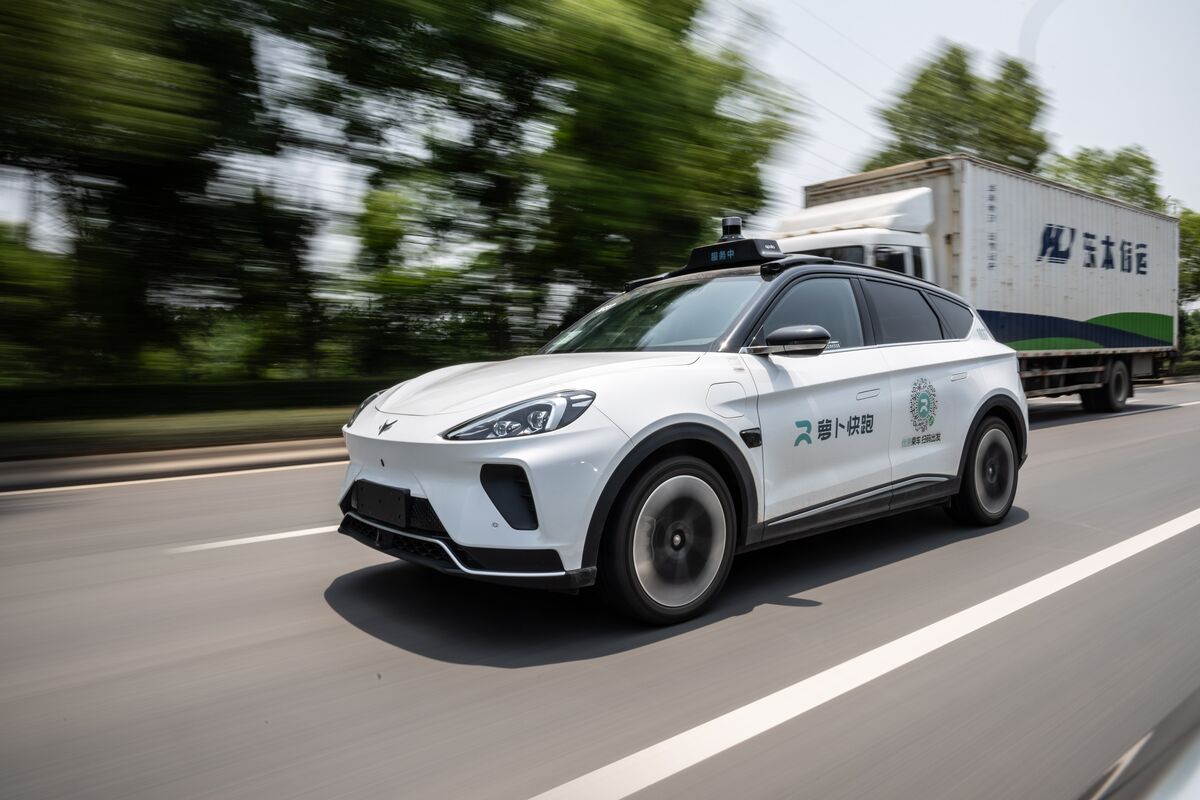
China just demonstrated it can move the other direction just as fast. The same centralized authority that enabled rapid deployment of thousands of robotaxis across Wuhan, Beijing, and other cities can shut the whole experiment down with a phone call. That’s the trade-off baked into China’s system — speed in both directions.
The Wuhan incident itself remains poorly understood publicly. Baidu has not disclosed a root cause for why its fleet simultaneously froze. A fleet-wide outage suggests a cloud or network-level failure, not an isolated sensor glitch on a single vehicle.
That distinction matters enormously. One car failing is a bug. Dozens of cars locking up at once across a city is an architecture problem.
Beijing clearly sees it the same way. The regulators didn’t just go after Baidu. They froze permits for every company in the space, signaling that the government views the risk as systemic, not company-specific.
That’s a sophisticated read, and a politically costly one, given how much national pride China has invested in its autonomous driving champions.
The timing adds another layer. China’s robotaxi sector has been a bright spot in a broader economic landscape clouded by falling property values, weak consumer spending, and a brutal trade war with the United States. Baidu’s Apollo Go was a flagship success story, proof that Chinese tech could lead in a domain where American firms once held unquestioned supremacy.
Pausing that narrative isn’t something Beijing does lightly.
Whether this suspension lasts weeks or months will reveal a lot about how seriously regulators view the underlying technical failures. A quick lift means the pause was theater. A prolonged freeze means someone in Beijing looked at the data and didn’t like what they saw.
Either way, China just did something the U.S. has never done: treated autonomous vehicles as a national-level safety question deserving a national-level response. The robotaxis stopped in Wuhan. Then the permits stopped everywhere.


Share this Story