
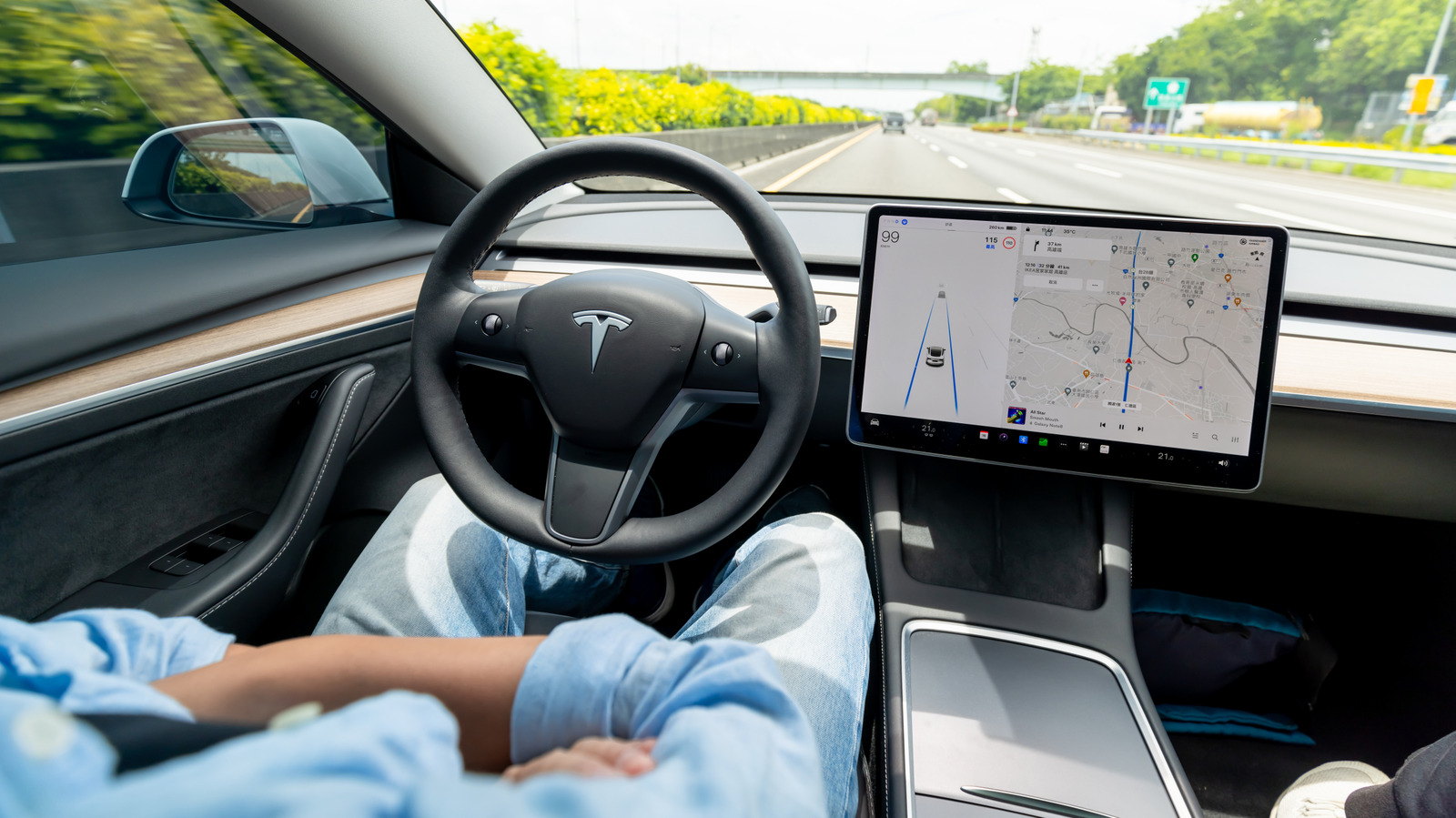


Tesla’s Full Self-Driving system is finally legal on European roads. But before any Dutch owner touches the button, they have to pass a test — a two-question on-screen quiz confirming they understand the system won’t actually drive for them.
It took 18 months, over 1.6 million kilometers of internal testing, thousands of pages of documentation, and demos for regulators in nearly every EU country. The Dutch vehicle authority, the RDW, granted the first formal European approval for Tesla’s FSD (Supervised) after what can only be described as a regulatory obstacle course unrecognizable to American consumers.
In the U.S., Tesla self-certified its way onto public roads and spent years using paying customers as beta testers. Europe said no to that arrangement from the start.
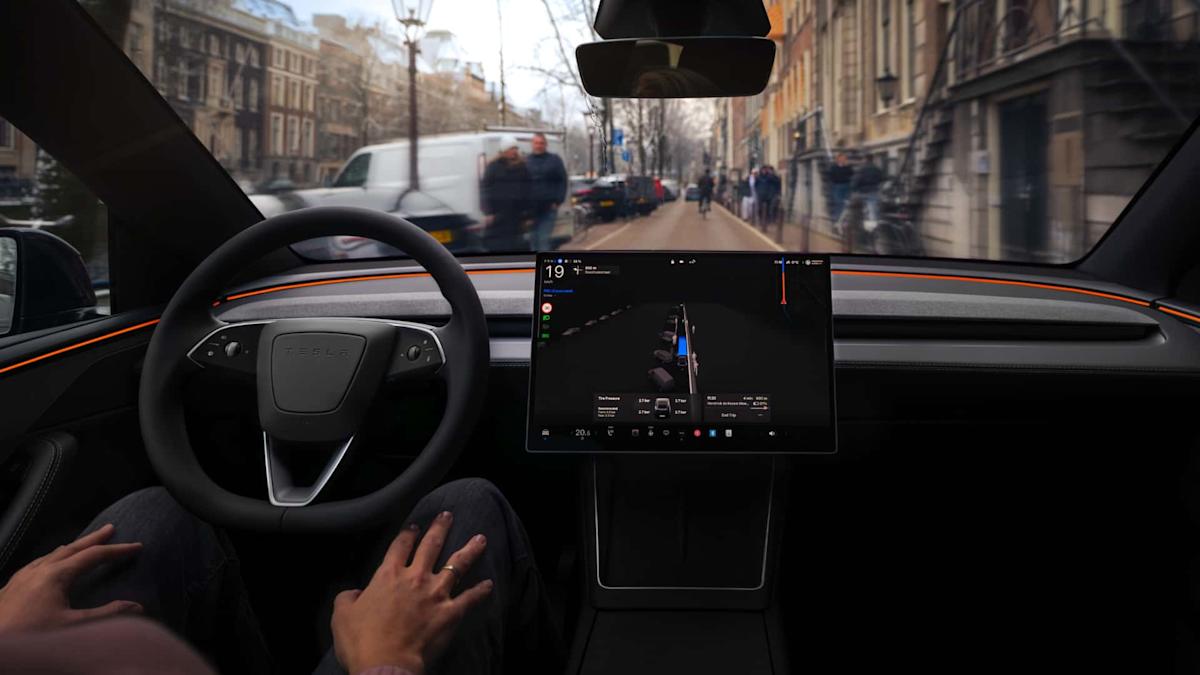
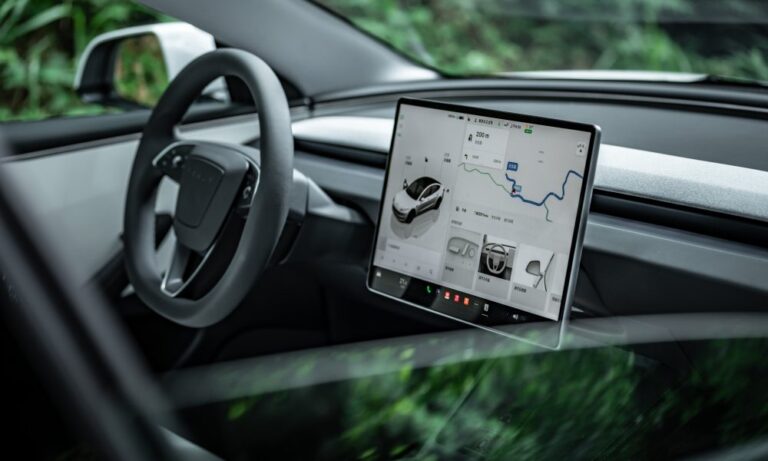
The “FSD (Supervised) Activation Tutorial” is required under UN-R171 standards, which mandate that drivers be educated on the performance limitations of driver assistance systems. The quiz asks two things: Can you identify when FSD is active on the screen? And do you understand that you, the driver, are responsible for the car at all times?
That second question is doing a lot of heavy lifting. Tesla’s FSD remains a Level 2 system — the same classification it has always held — meaning the human behind the wheel bears full liability, always. Mercedes-Benz is the only automaker with a U.S.-licensed Level 3 system, where the company itself accepts responsibility when its Drive Pilot is engaged under specific conditions.
The naming has always been the problem. “Full Self-Driving” suggests something it demonstrably is not. The system has been documented blowing past school buses with stop signs deployed, struggling at railroad crossings, and attempting to steer drivers off freeway overpasses. A Texas Cybertruck owner discovered that last one just weeks ago.
The European version carries some differences from its American counterpart. Gone are the speed profiles labeled “Sloth” through “Mad Max.” In their place: “Max Speed” and “Max Speed Offset” settings. The system will initially be more confined to divided highways in Europe before potentially expanding to broader use cases.
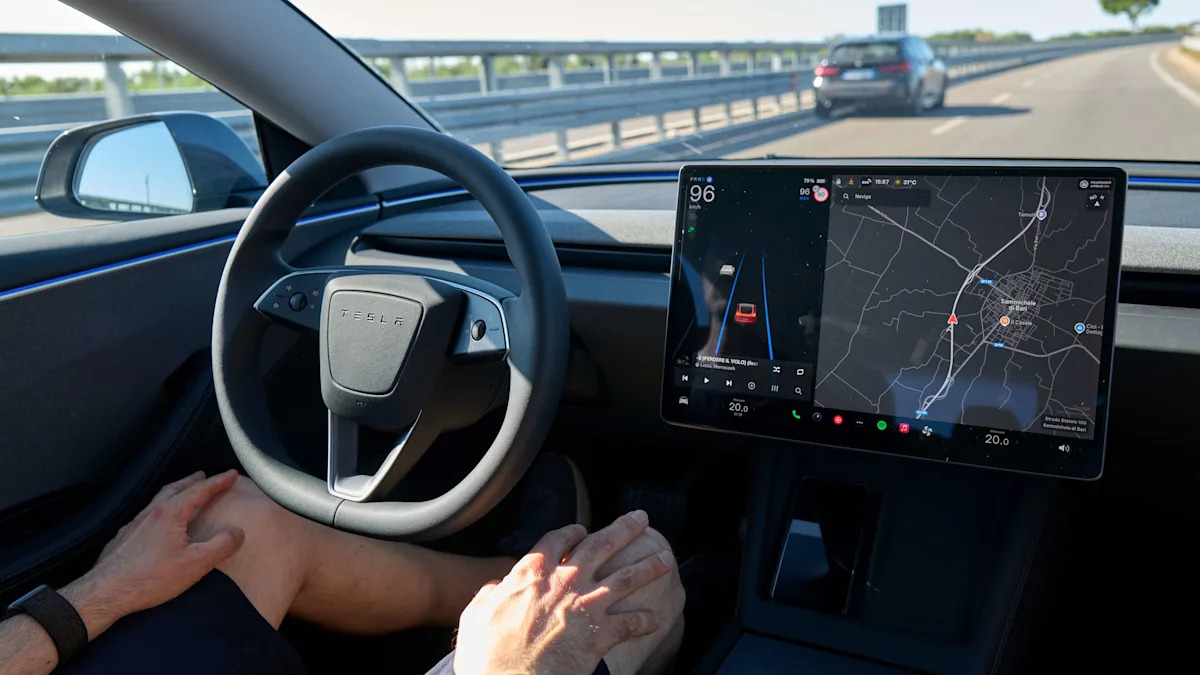
The business stakes are enormous. FSD subscriptions run €99 per month in the Netherlands, with a one-time €7,500 purchase option that Tesla no longer offers stateside. For a company whose investors have been told repeatedly that software and autonomy represent the real margin story, cracking Europe open is a growth narrative they desperately need.
But cracking it open is precisely what hasn’t happened yet. RDW’s approval covers one country. For EU-wide deployment, the Dutch authority must forward its findings to the European Commission, where member states will vote on extending approval across the bloc. Musk said back in January that European approval would come “next month.” It slipped by several.
Tesla offered ride-along experiences to over 13,000 Europeans and claims collisions are “up to 7x less likely per kilometer driven” with FSD active. The company has not released the detailed data needed to verify that figure independently. It’s a statistic born from Tesla’s own testing methodology, which is a bit like grading your own exam.
A two-question quiz won’t fix the fundamental tension embedded in the product’s name. But it does something American regulators never required: it forces every single driver to explicitly acknowledge, at least once, that the car they just paid a premium for cannot actually drive itself. Whether once is enough remains Europe’s gamble to take.
Share this Story