
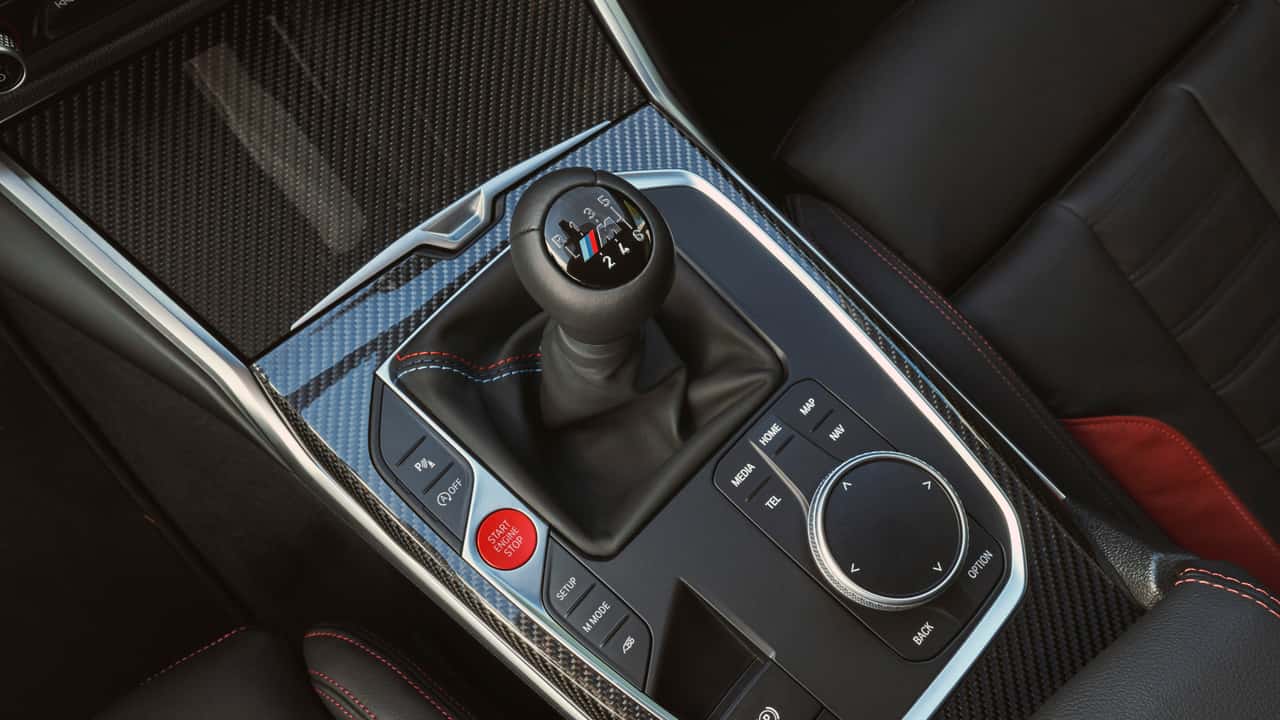


BMW’s M division is quietly admitting what enthusiasts don’t want to hear: the only way to keep the manual transmission alive is to make the engine weaker when you choose one.
Sylvia Neubauer, BMW M’s Vice President of Customer, Brand, and Sales, told German publication Automobilwoche that engineers are actively working on a solution to preserve the six-speed manual even as the company’s 3.0-liter inline-six keeps getting more powerful. She promised a fix but offered zero specifics.
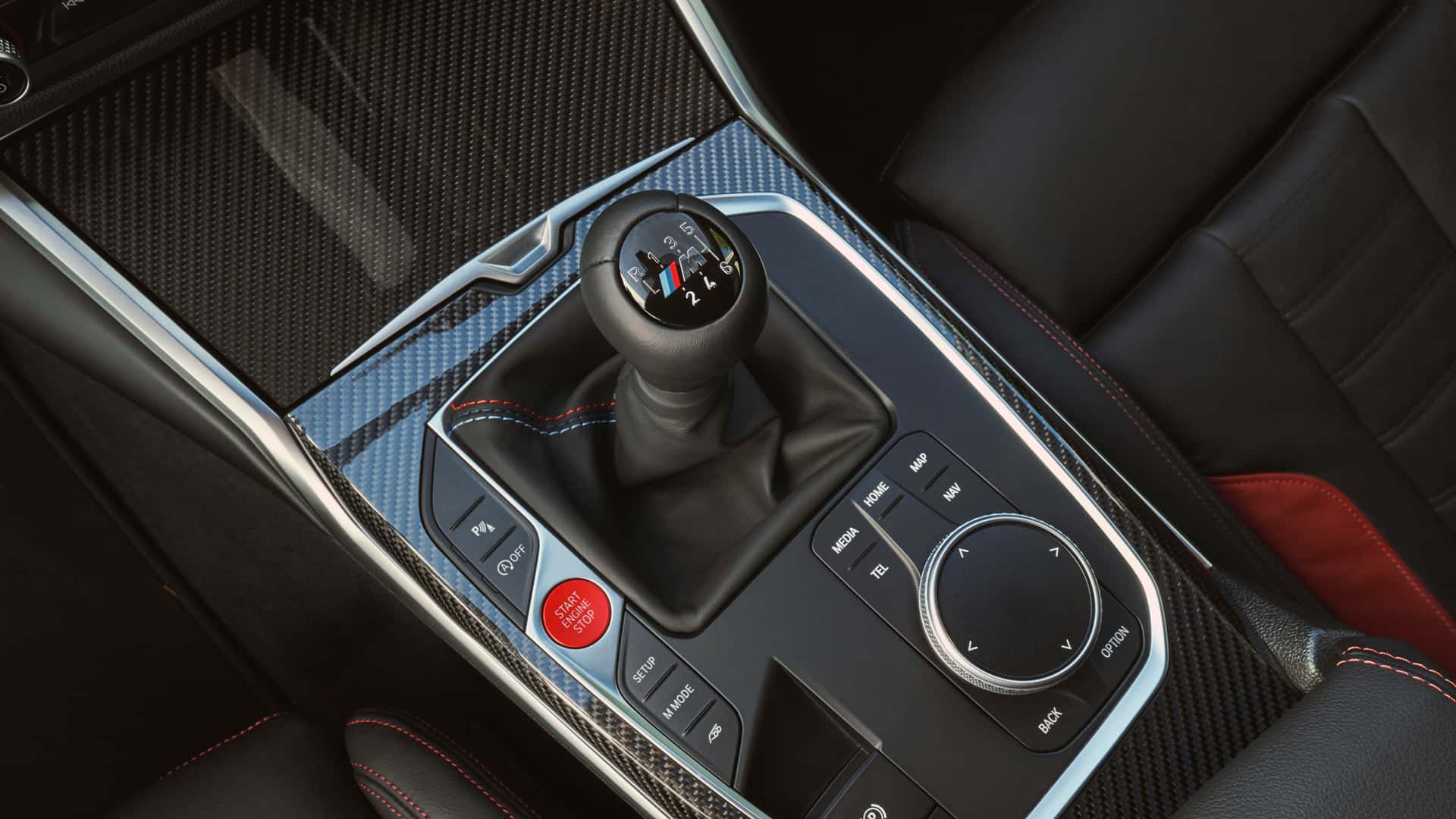
The specifics, though, aren’t hard to guess. BMW already does this on the M2, where choosing three pedals costs you 50 Nm of torque compared to the automatic version. The manual gearbox simply can’t stomach what the engine produces at full chat.
Rather than engineer a stronger and far more expensive manual transmission for a shrinking customer base, BMW caps the power and calls it a day.
Frank van Meel, the head of BMW M, laid the groundwork for this conversation earlier this year when he said the manual gearbox “doesn’t really make sense from an engineering standpoint.” He wasn’t being dramatic. Automatics handle more torque, return better fuel economy, and play nicely with the increasingly complex driver-assistance systems that regulators and customers now expect.
The financial math is brutal. Developing a beefier manual transmission capable of matching automatic torque levels would require serious investment for a product with marginal sales volume. Suppliers don’t want to tool up for small-batch manual gearbox production. Every dollar spent keeping the stick shift relevant is a dollar not spent on EV development, which is where Munich is placing its real bets.
Then there’s Europe’s tightening emissions regime. If an automatic delivers lower CO₂ numbers than a manual, and it does, the manual becomes a regulatory liability. Offering a less efficient transmission option purely for driver engagement is a luxury that gets harder to justify every model year.
BMW’s manual roster is already contracting. The Z4 M40i goes out of production this month, leaving only the M2, M3, and M4 with a six-speed option. The current M3 is likely done by late this year or early 2027 as the 3 Series transitions to its next generation.
A new M3 with a six-cylinder engine is confirmed for around 2028, but whether it gets a manual remains an open question nobody at BMW seems eager to answer directly. The M2 and M4 coupes could soldier on until roughly 2029, giving enthusiasts a narrow window to buy a new BMW M car with a clutch pedal. After that, the path forward gets murky at best.
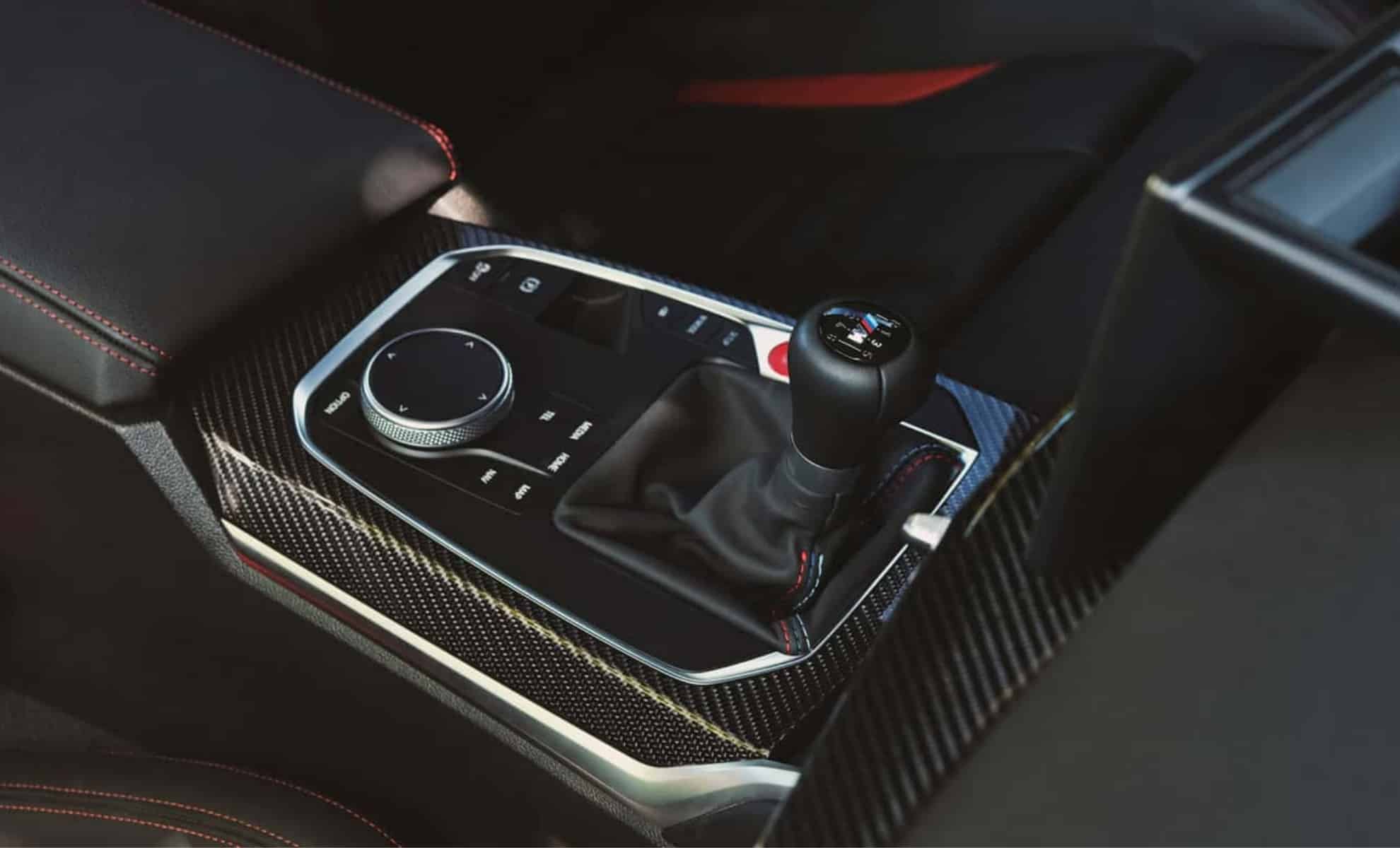
There’s a strange irony in all of this. BMW is being praised for “saving the manual” when the actual strategy involves deliberately handicapping the driving experience that makes the manual desirable in the first place. You get three pedals but less torque. You get the ritual of shifting but not the full measure of what the engine can deliver.
It’s a manual transmission preserved in amber. The form survives, but something essential is missing.
Porsche is making similar noises about keeping manuals around. Ford says the Mustang’s stick shift isn’t going anywhere. These are nice sentiments from companies that understand the emotional pull of a clutch pedal, but sentiment doesn’t change the physics, the regulations, or the spreadsheets.
If you want a manual BMW M car with the company’s full-blooded inline-six, the clock isn’t winding down. It’s nearly stopped.

Share this Story