
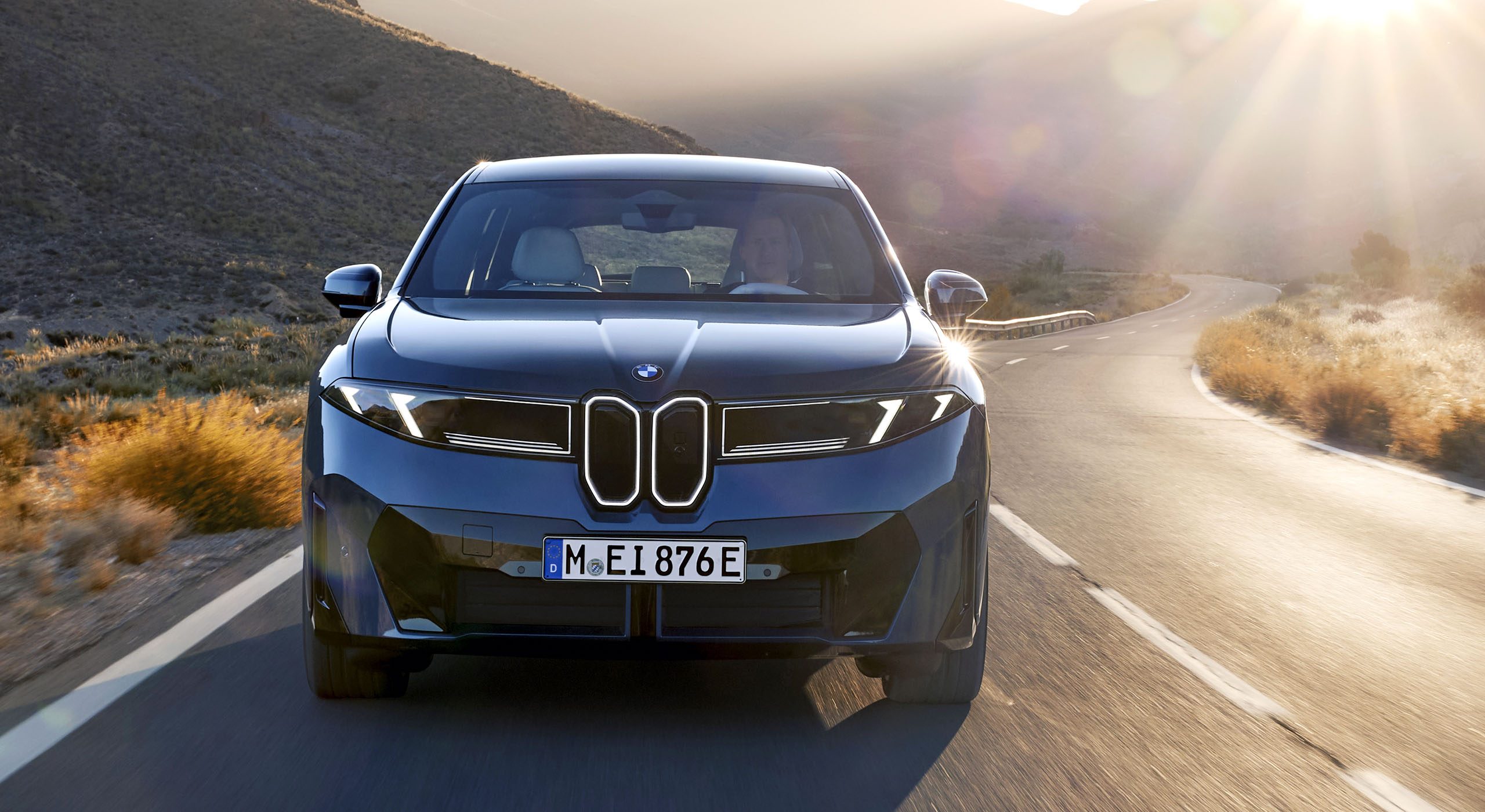


BMW wants half its global sales to be electric by 2030. Right now, fewer than one in five cars it delivers runs on batteries. That is not a gap. That is a canyon.
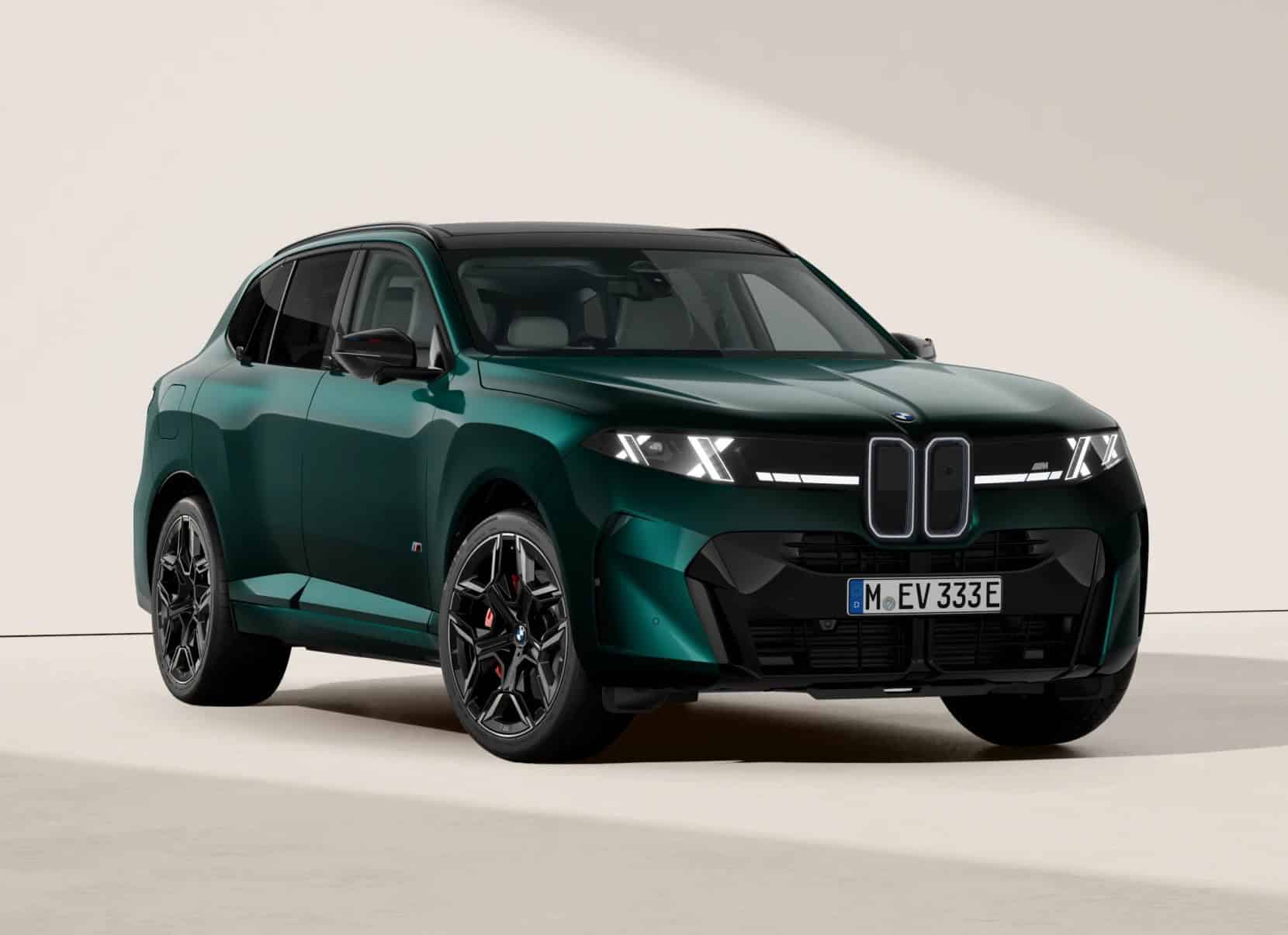
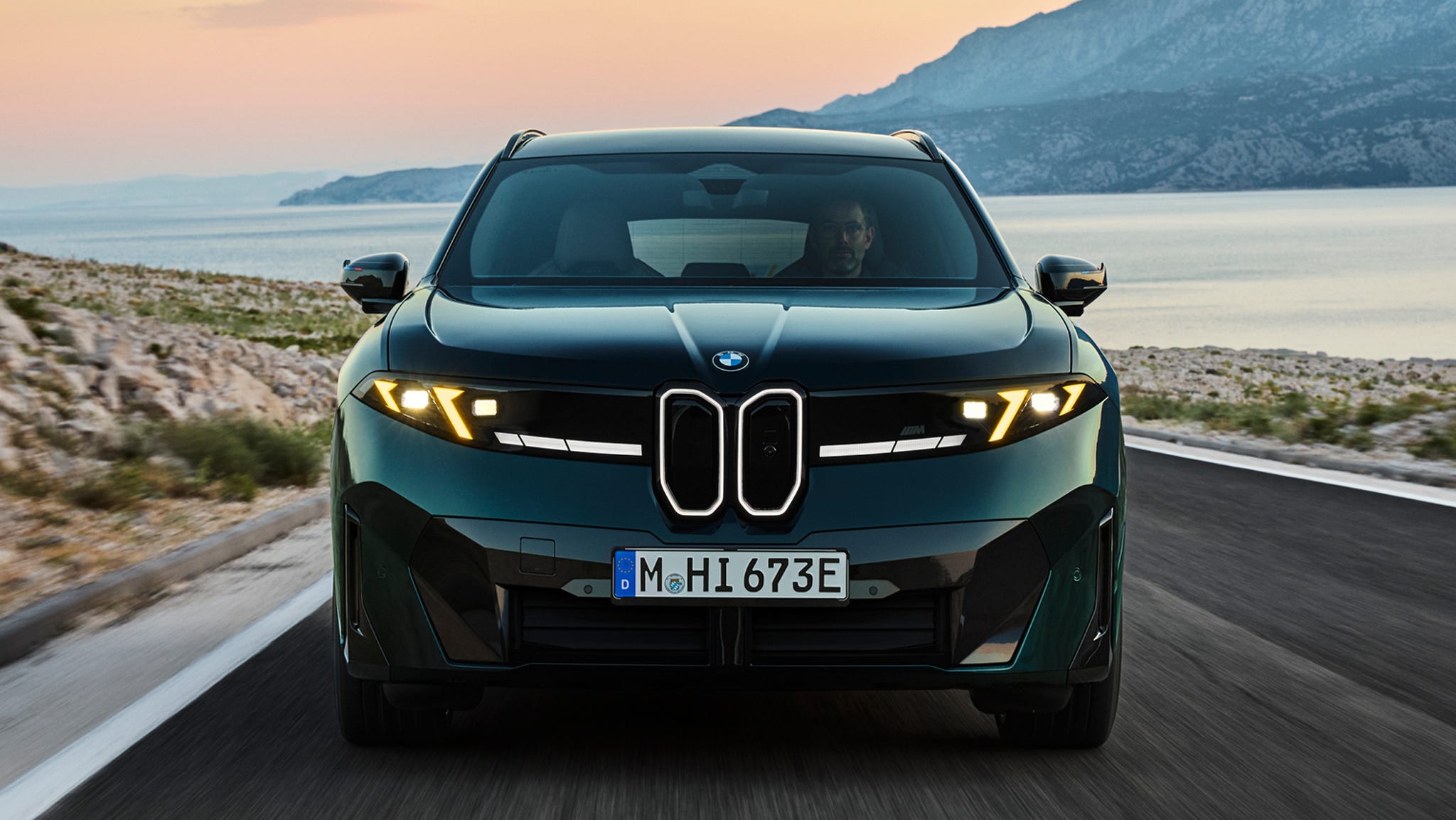
The German automaker reported just 17.9 percent of its 2025 deliveries were fully electric. Tripling that share in four years demands a pace of conversion that no legacy automaker has yet achieved at BMW’s volume. The plan hinges entirely on the next-generation Neue Klasse architecture, starting with the 2026 iX3 crossover, which BMW is positioning as the foundation for an aggressive electric push across its lineup.
It is an audacious target, and BMW is not making it in a vacuum. The broader German auto industry is lurching through one of the most painful transitions in its history.
Audi, BMW’s closest domestic rival, is leaning on the new Q9 SUV — a big, expensive, combustion-powered truck — to stop its profit erosion in 2026. That tells you everything about where the money still comes from. While BMW talks about an electric future, Audi is banking on a gas-drinking flagship to survive the present.
The tension between ambition and arithmetic runs through every corner of the industry right now. LG just committed to building batteries in Michigan for Tesla’s energy storage business, a $4.3 billion deal that underscores how the supply chain is consolidating around a handful of players. If you are not Tesla, and you are not a battery maker with a Tesla contract, you are scrambling to secure your own supply at competitive cost.
BMW knows this, which is why the Neue Klasse platform was designed from scratch around a new round-cell battery format. The company says it will deliver 30 percent more range and 30 percent faster charging than its current EVs.
Meanwhile, VinFast says it will restart production at its North Carolina plant this year even as losses mount. Mullen, the perennial punchline of the EV startup world, has a prototype turning up on Facebook Marketplace. The distance between serious electric ambitions and desperate ones has never been more visible.
BMW occupies a peculiar middle ground. It is not a startup burning cash with no revenue. But it is not Tesla, either, with a mature EV manufacturing base and a captive battery supply chain.
BMW is a 108-year-old company that still makes most of its money selling turbocharged inline-sixes and V8s to people who enjoy driving. Asking those customers to switch — and asking dealers to sell the switch — at a rate that would double or triple EV mix in under five years is an enormous cultural and operational challenge.
The company has the engineering credibility. The Neue Klasse prototypes have impressed in early previews. But engineering credibility does not automatically translate into showroom momentum.
BMW’s current EV lineup, from the iX to the i4 to the i5, has earned respect without generating the kind of demand that bends a sales curve. Fifty percent by 2030 means BMW needs to sell roughly as many electric cars as combustion ones within four years. It means EV production has to ramp flawlessly.
It means charging infrastructure has to keep pace. It means residual values on electric BMWs need to hold up, or leasing — the lifeblood of the luxury market — collapses.
No legacy automaker has pulled this off. BMW is telling the world it will be the first. The clock is running, and 17.9 percent is a long way from 50.
Share this Story