
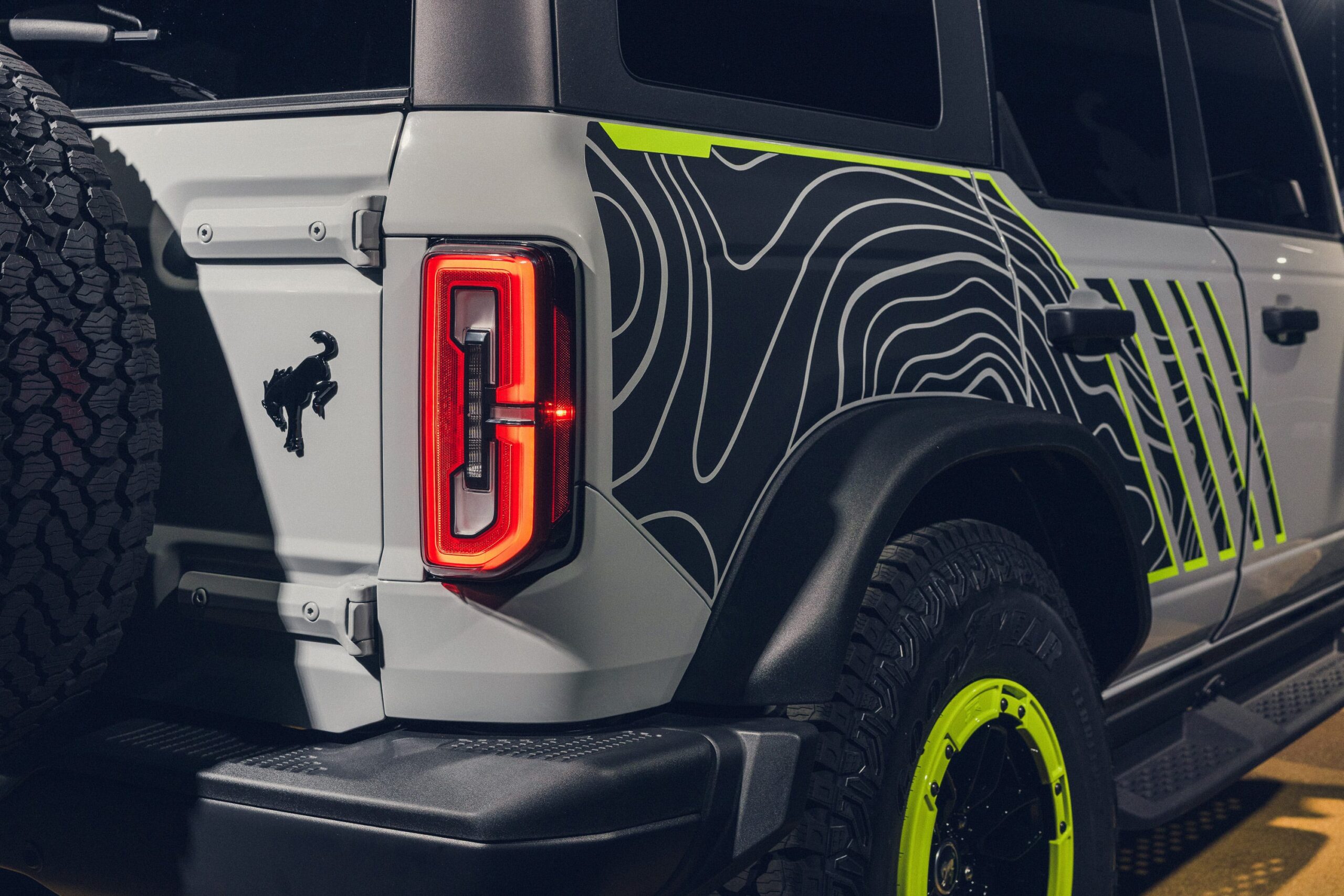


Ford first talked about building a hybrid Bronco in 2018. The SUV itself hadn’t even been revived yet. Jim Farley wasn’t yet CEO. And here we are in 2026, with Farley finally confirming on the Spike’s Car Radio podcast that yes, a hybrid Bronco is actually coming.
It only took a complete reversal of the company’s electrification strategy to get here.
“We really want to bet on all of it,” Farley said. “We’re going to have an all-hybrid lineup. So, Bronco, everything you can buy at Ford will have a hybrid. We’ll also have EREVs for towing.”
That’s a striking pivot for a company that was, not long ago, pouring billions into a full-EV future anchored by the Mustang Mach-E and the F-150 Lightning. Ford canceled its planned large electric SUVs. Customer appetite for battery-electrics cooled. And now hybrids — the technology some executives once dismissed as a bridge to nowhere — are the foundation of the entire Ford Blue lineup.
The Bronco currently offers three gas engines: a 300-hp turbo 2.3-liter four-cylinder, a 330-hp twin-turbo 2.7-liter V-6, and the Raptor’s 418-hp twin-turbo 3.0-liter V-6. Farley teased that buyers “should expect a lot of exciting powertrains” but gave zero specifics about what the hybrid system would look like.
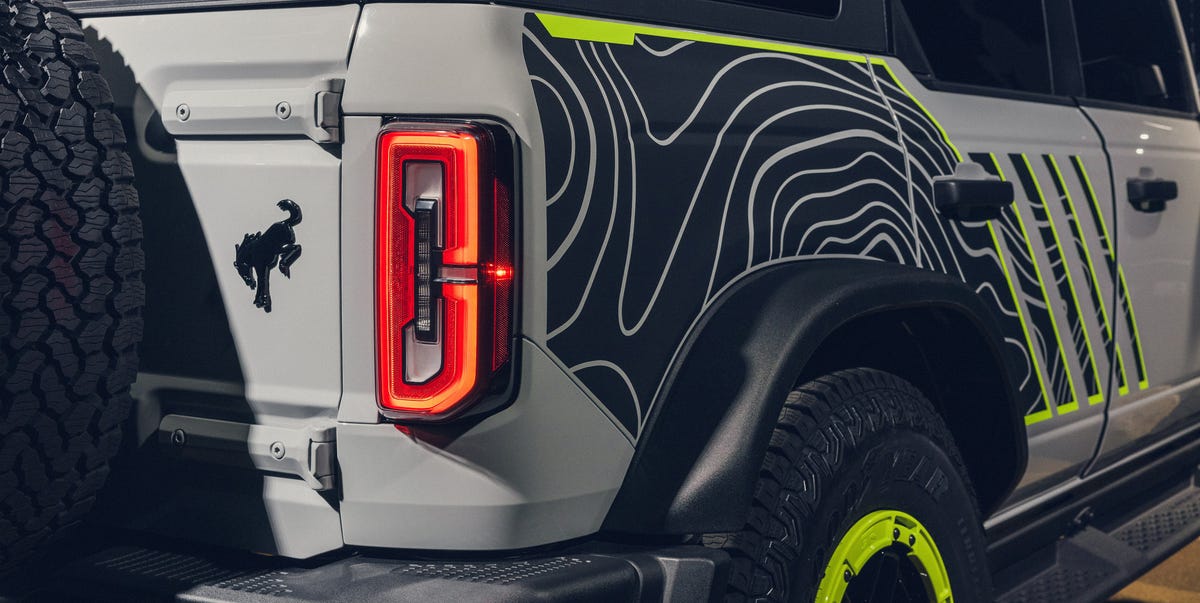
Ford’s broader hybrid playbook reportedly breaks into three lanes: economical hybrids for efficiency, performance-focused hybrids, and hybrids with exportable power capability. Think Pro Power Onboard, the generator-in-a-truck feature that has become a genuine selling point for the F-150. Bolting that kind of utility onto a Bronco makes obvious sense for overlanders and off-roaders who camp far from outlets.
The competitive landscape makes the timing urgent. Nissan is reportedly reviving the Xterra for 2028 with a V6 hybrid powertrain, aiming it squarely at the body-on-frame adventure SUV segment the Bronco helped reignite. And Jeep, Ford’s most direct rival in this space, just abandoned all its plug-in hybrid powertrains — including the one in the Wrangler — in favor of extended-range electric vehicle technology pairing large battery packs with gas generators.
So in the span of two years, three different manufacturers have chosen three different electrification paths for what is essentially the same customer. Ford bets on conventional hybrids. Jeep bets on EREVs. Nissan bets on a hybrid V6. The rugged SUV segment has quietly become one of the most interesting powertrain laboratories in the industry.
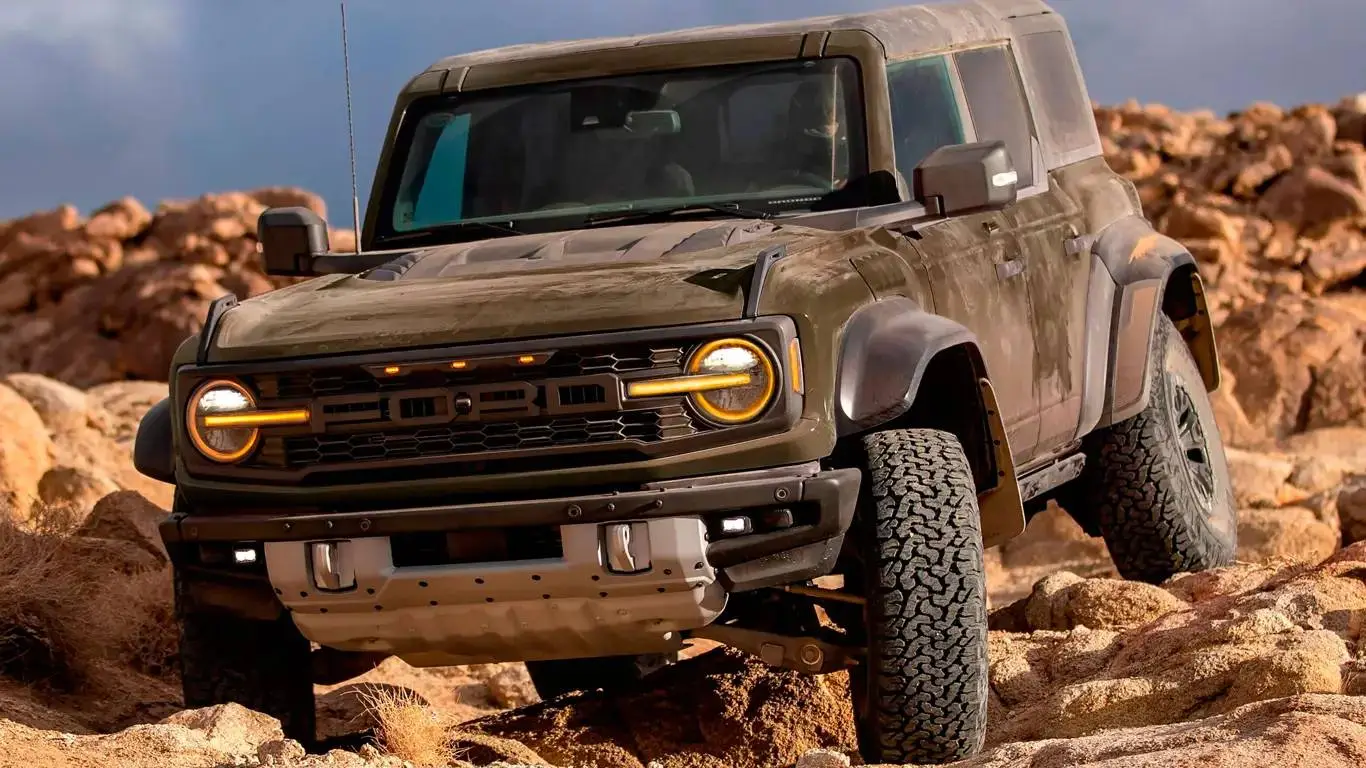
Ford’s decision reads as pure pragmatism. The company watched EV demand plateau, watched hybrid sales surge, and did the math. The F-150 PowerBoost hybrid already proved that truck buyers will accept partial electrification if it adds capability rather than compromise. Applying that same logic to the Bronco is the low-hanging fruit Ford should have picked years ago.
The real question is execution speed. Ford promised this hybrid in 2018 under a different CEO, a different strategy, and a different market. Eight years of promises don’t mean much without a production date, a powertrain spec sheet, and a window sticker. Farley’s podcast confirmation is encouraging, but the Bronco hybrid won’t matter until it’s sitting on a dealer lot with a price tag customers can stomach.
Ford has a habit of announcing the right product at the right time and then taking too long to deliver it. The Bronco itself was a case study — teased for years, delayed by COVID and supplier chaos, then finally released to enormous demand and painful waiting lists. The hybrid version cannot afford a repeat of that cycle, not with Nissan and Jeep circling the same buyers.
The market has made its preference clear. Ford says it’s listening. Now it has to ship.
Share this Story