


For decades, Western automakers forced Chinese companies into joint ventures as the price of admission to the world’s largest car market. Now Geely is offering to return the favor, pitching what it calls “reverse joint ventures” to help legacy manufacturers develop vehicles faster on their own turf.
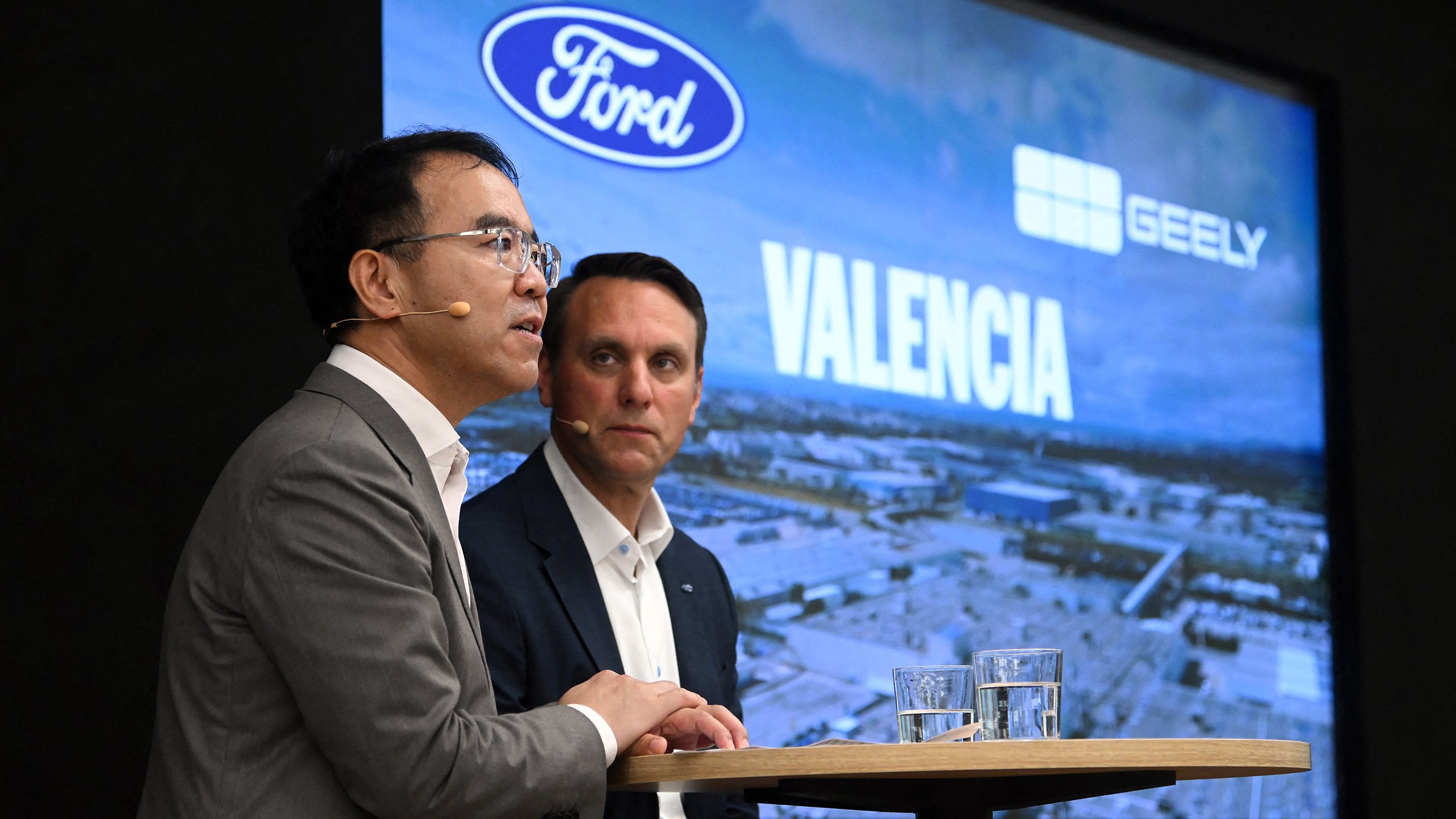
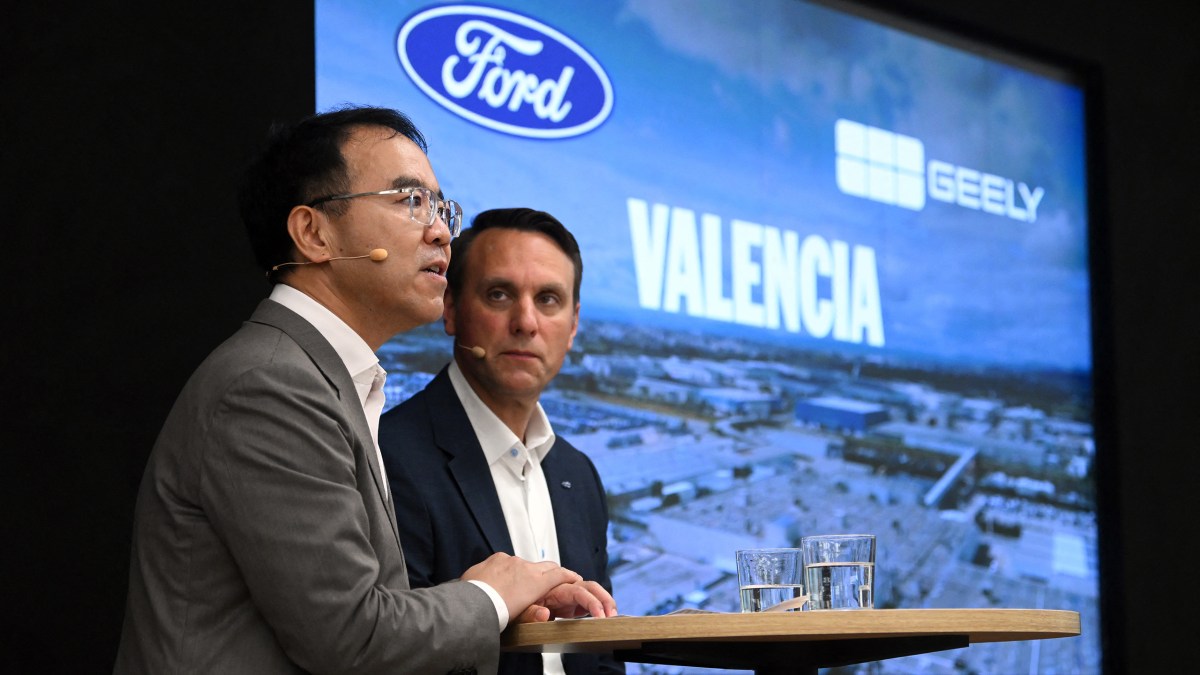
The first concrete example is already underway. Geely Senior Vice President Victor Yang Xueliang appeared alongside Ford Europe President Jim Baumbick at a Ford plant outside Valencia, Spain, announcing the two companies will jointly develop vehicles for the European market at that site. Geely brings its speed, its tech stack, and its people. Ford brings the factory and the market access.
This is a complete inversion of the model that defined Chinese automotive development since the 1980s. Back then, companies like Volkswagen, GM, and Toyota were required to partner with domestic Chinese firms, sharing technology and profits for the privilege of selling cars in China. The Western companies held the expertise. The Chinese partners held the keys.
That power dynamic has flipped so thoroughly that a Chinese automaker is now offering consulting services to companies that once taught China how to build cars. Geely isn’t just selling components or licensing platforms. It’s embedding its development methodology, the same process that lets Chinese manufacturers bring a vehicle from concept to showroom in roughly half the time their Western competitors require.
The timing is no accident. Western automakers are under brutal pressure from multiple directions. Tariffs have scrambled supply chains. EV mandates remain in flux, with the U.S. rolling back emissions rules while Canada presses forward with stricter standards.
Legacy companies need to move faster and spend less, and Geely is positioning itself as the answer. It fits a broader pattern of Chinese auto industry confidence. BYD is pushing into Japan’s notoriously insular kei car segment with its Racco micro EV, a market where foreign brands have barely tried and mostly failed.
LG’s North American battery factories, built to supply the EV boom, are increasingly producing cells for AI data center energy storage instead. That’s a sign that the Western EV supply chain hasn’t come together as planned.
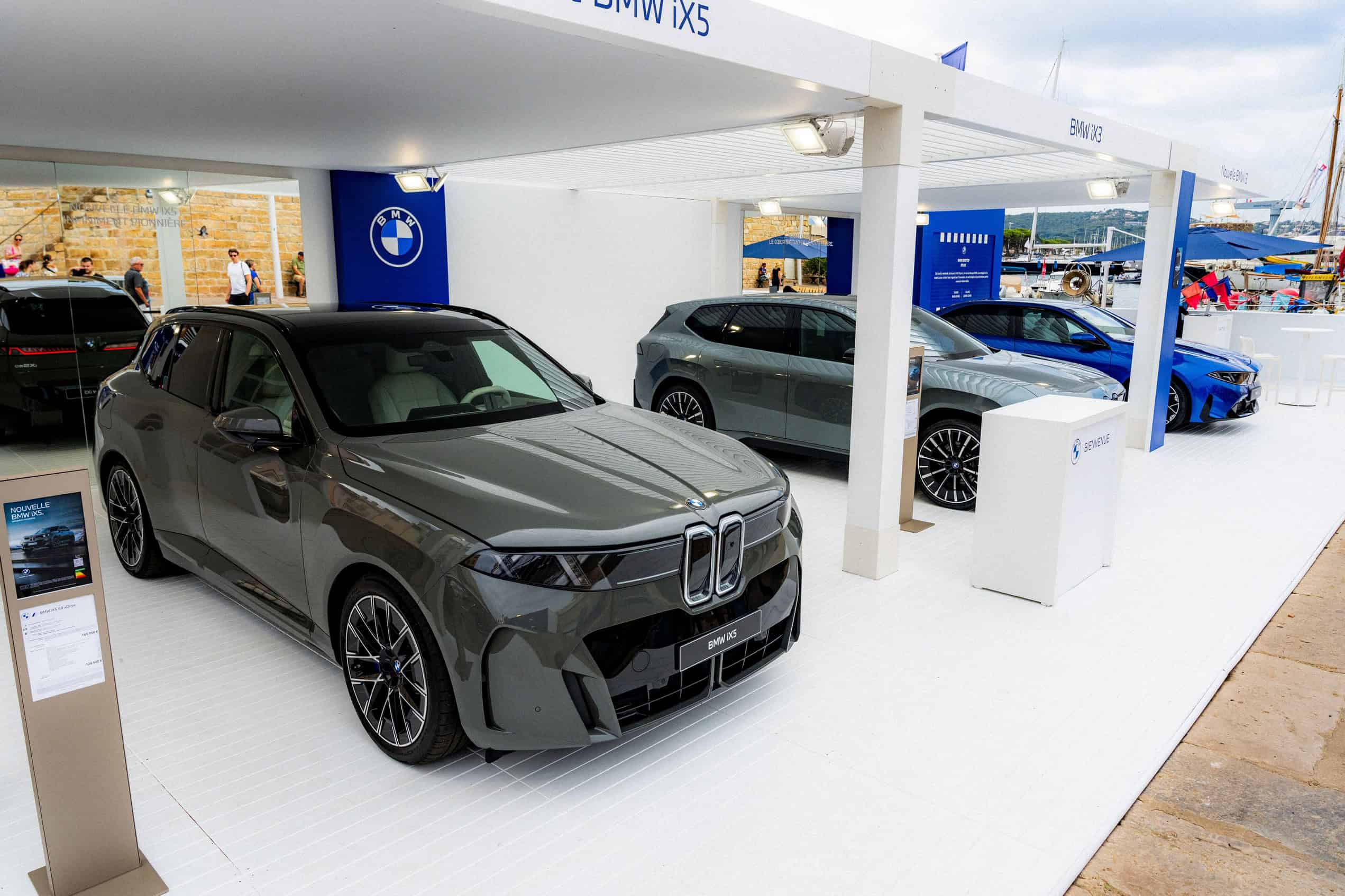
Meanwhile, traditional automakers keep trimming. BMW is reportedly moving to kill both the XM and the 8 Series as it hunts for cost reductions. GM is issuing service bulletins for transmission sensor problems buried deep in the gearboxes of its mainstream SUVs. These are companies managing complexity they already have, not companies moving at startup speed.
Geely’s pitch is simple. Why spend five years and billions developing a new vehicle architecture when a Chinese partner can help you do it in two and a half? The uncomfortable subtext is that Western automakers may no longer possess the institutional capability to match that pace alone.
Twenty years ago, Chinese automakers were buying old Saab platforms and reverse-engineering Toyotas. Ten years ago, they were building credible domestic brands. Five years ago, they started exporting in volume. Now they’re offering to hold the hands of the companies that once showed them how the business worked.
Ford’s Valencia plant will be the test case everyone watches. If it produces competitive vehicles on a compressed timeline, expect the calls from other legacy automakers to follow quickly. The question is no longer whether Chinese companies can compete globally. It is whether Western companies can compete at all without them.
Share this Story