
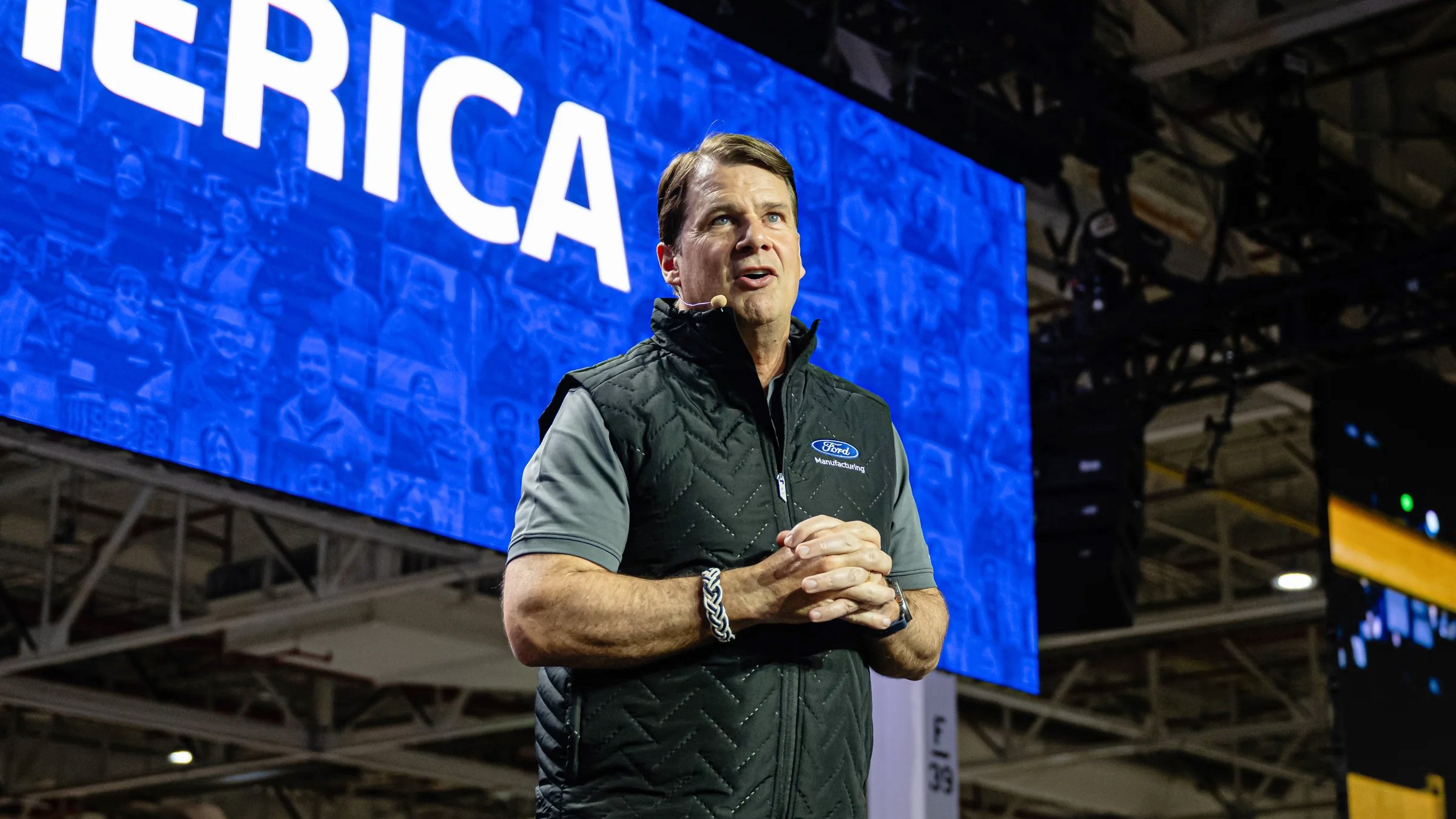


Ford CEO Jim Farley doesn’t usually talk this candidly about where his own factories fall short. But in a recent interview, he pulled back the curtain on something the industry has long whispered about: not all Ford plants are created equal, and the American ones had catching up to do.
“There are cultural changes between different countries and even manufacturing culture within Ford and different countries that have a different commitment to the process,” Farley said, discussing how the automaker has improved its initial quality. “I would say the U.S. plants have caught up the fastest. The most consistent have been some of our overseas plants.”
Read that again. The CEO of Ford, a company that wraps itself in the American flag tighter than anyone in Detroit, just said his domestic plants were behind his operations in Mexico and China on manufacturing discipline. And “catching up” is the best compliment he could offer.
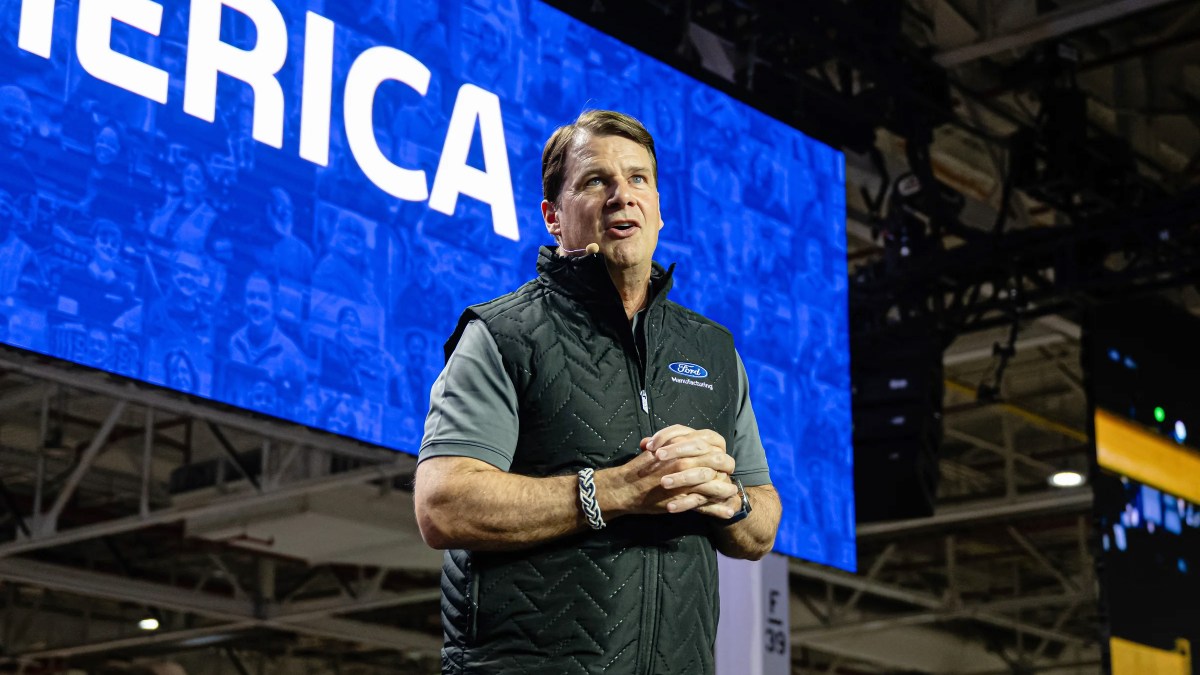
Farley framed the gap as cultural, not mechanical. He pointed to problem-solving as a skill, one apparently more embedded in certain overseas facilities than in the company’s U.S. operations. The implication is uncomfortable but not surprising to anyone who has tracked Ford’s quality stumbles over the past decade, from the botched Explorer launch in Chicago to persistent warranty cost overruns that have bled billions from the balance sheet.
The timing of this admission matters. Washington is busy painting Chinese manufacturing as a predatory force. White House trade advisor Peter Navarro recently called BYD “a microcosm of China’s pirate business model,” accusing Chinese automakers of plundering global markets. Volvo CEO Hakan Samuelsson pushed back, saying the industry needs to “respect those who have been successful in electric vehicles” and that China’s manufacturers “have done a lot of things right.
Farley’s comments land somewhere between those two poles. He’s not accusing anyone of theft. He’s acknowledging that Ford’s own Chinese and Mexican plants simply executed better on process discipline, the boring, unglamorous blocking and tackling that determines whether a customer’s door seal leaks or a transmission shifts cleanly at delivery.
This is the quality problem Detroit has never fully solved. It’s not about robots or tooling budgets. It’s about whether a line worker flags a defect or lets it slide, whether a plant manager treats the quality audit as gospel or a checkbox.
Farley is calling it a cultural issue, which is the polite way of saying the mindset wasn’t there.
Ford has been pouring resources into closing the gap. The company restructured its quality organization, brought in new leadership, and began benchmarking its U.S. plants against its best global facilities. Farley says the American operations have improved fastest, which suggests the deficit was large enough to make rapid gains possible.
But “caught up” and “most consistent” are two different things. Farley reserved the latter for his overseas plants. The U.S. facilities are improving, but they are not yet the standard.
For a company that sells patriotism alongside pickup trucks, that distinction cuts deep. Ford can talk about reshoring and American manufacturing all day long. The CEO just told you where the quality benchmarks actually live. It’s not Dearborn. Not yet.


Share this Story