


BYD, the Chinese electric vehicle giant that has spent the last five years bulldozing its way through global car markets, is now eyeing the most expensive marketing platform in motorsport. The company is exploring an entry into Formula 1, and possibly the FIA World Endurance Championship, according to Bloomberg.
No final decision has been made. BYD could walk away from the whole idea. But the fact that the conversation is happening at all tells you where the company’s ambitions lie — and how far the center of gravity in the auto industry has shifted.
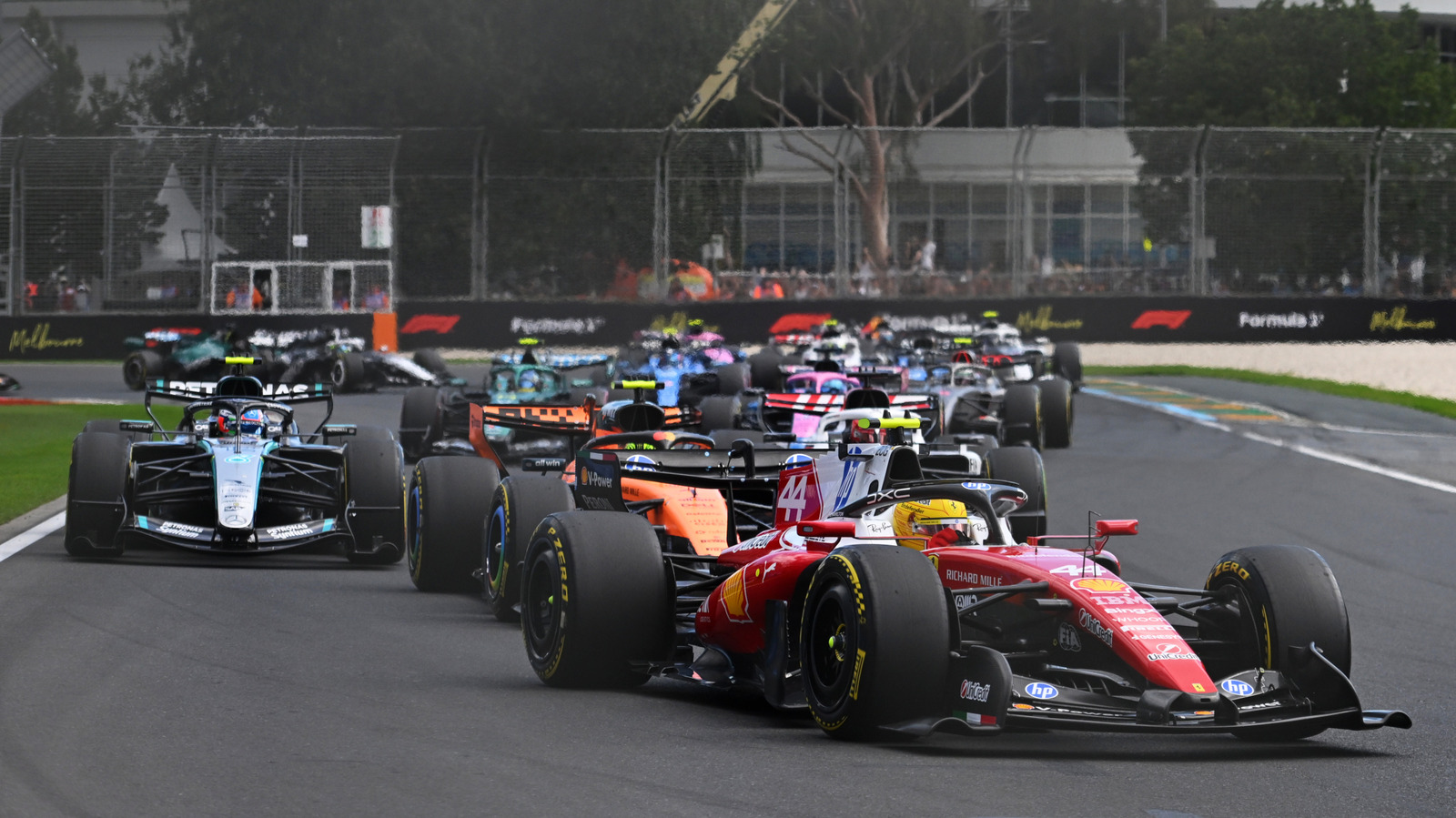
The timing is no accident. Cadillac’s F1 team, backed by General Motors, just made its debut at the Australian Grand Prix last weekend. Sergio Pérez brought the car home 16th. Not glamorous, but real. GM proved that a major automaker can muscle its way onto the grid from scratch, and BYD is watching.
Formula 1’s cost cap sits at $215 million for 2026, but that number is a fiction. Travel, marketing, FIA fees, driver salaries, and the pay of each team’s three highest-compensated executives are all exempt. The real annual bill lands closer to $500 million.
Half a billion dollars a year is real money, even for a company that delivered more than 4 million vehicles last year. But BYD’s problem has never been engineering or scale. It’s brand perception.
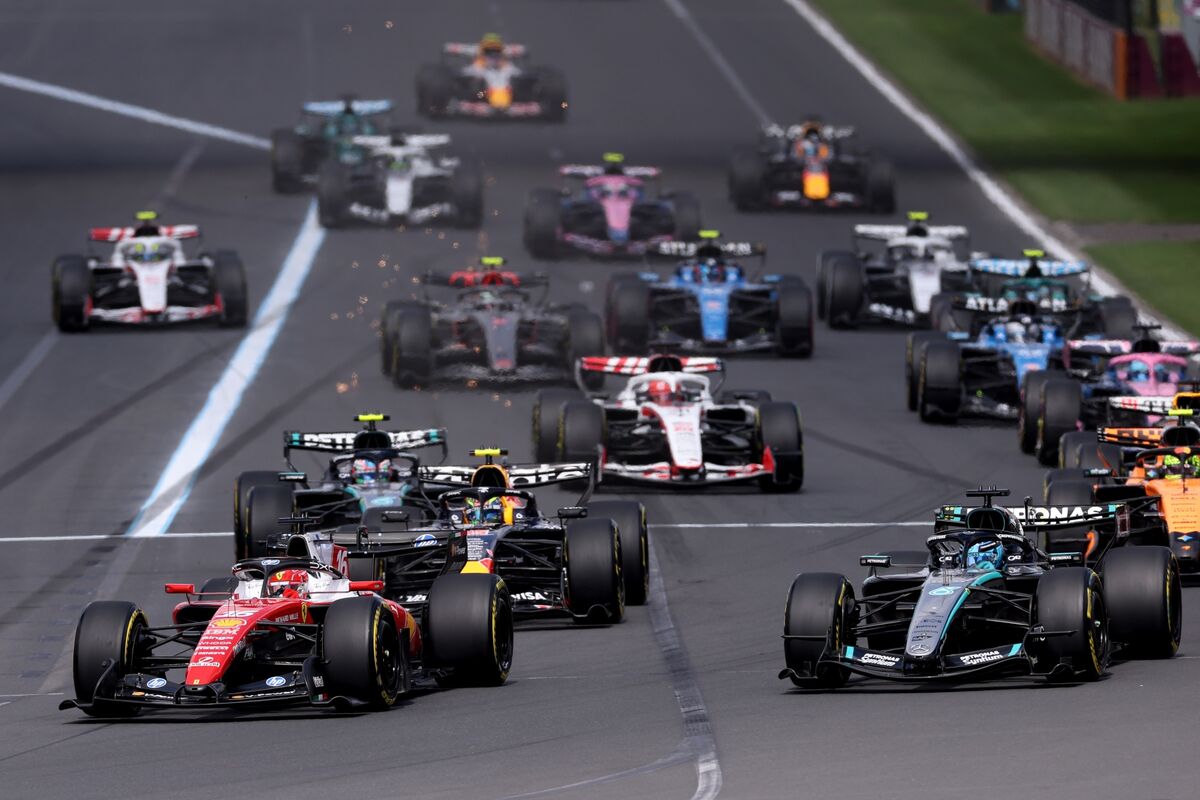
In Europe, in the Middle East, in Southeast Asia, the cars are competitively priced and increasingly well-built. What they lack is the cultural cachet that Ferrari, Mercedes, and even Aston Martin carry into showrooms on the back of decades of racing heritage. F1 solves that problem faster than any billboard campaign ever could.
The cheaper route would be the World Endurance Championship and a crack at the 24 Hours of Le Mans. Alpine spends roughly $35 million annually on its two-car Le Mans Hypercar effort — a rounding error compared to F1 budgets. But Alpine is also pulling out of WEC after this season, which tells you something about how the economics pencil out even at that level.
The smarter play might be acquisition. BYD wouldn’t have to start from zero. Alpine’s parent company Renault has been retreating from F1 for years, shutting down its legendary Viry-Châtillon engine facility and converting the team into a Mercedes customer operation.
Private equity firm Otro Capital is actively shopping its 24 percent stake in the team. Toto Wolff and Christian Horner have both been linked to bids.
A Chinese automaker buying a French racing institution would generate headlines that no amount of prize money could buy. It would also generate political friction in Brussels, where European regulators are already wrestling with tariffs on Chinese EVs. F1 has always been as much about geopolitics as it is about lap times.
BYD’s rise mirrors what Hyundai and Toyota went through decades earlier — the slow, grinding process of convincing Western consumers that a car from an unfamiliar country is worth their money. Both of those companies used motorsport to accelerate that transition. Toyota spent billions on F1 between 2002 and 2009 with little on-track success but enormous brand uplift.
Hyundai poured resources into WRC. BYD has clearly studied the playbook.
The shift toward hybrid power units in F1’s 2026 regulations plays directly into BYD’s core strength. The company started as a battery manufacturer. It builds its own cells, its own motors, its own power electronics — few potential entrants would arrive with a deeper understanding of electrified powertrains.
Whether BYD actually commits or quietly shelves the idea, the exploration itself marks a threshold moment. The world’s largest EV maker is no longer content to win on price. It wants to win on prestige, and the most exclusive paddock in global sport just became the next battleground.
Share this Story