
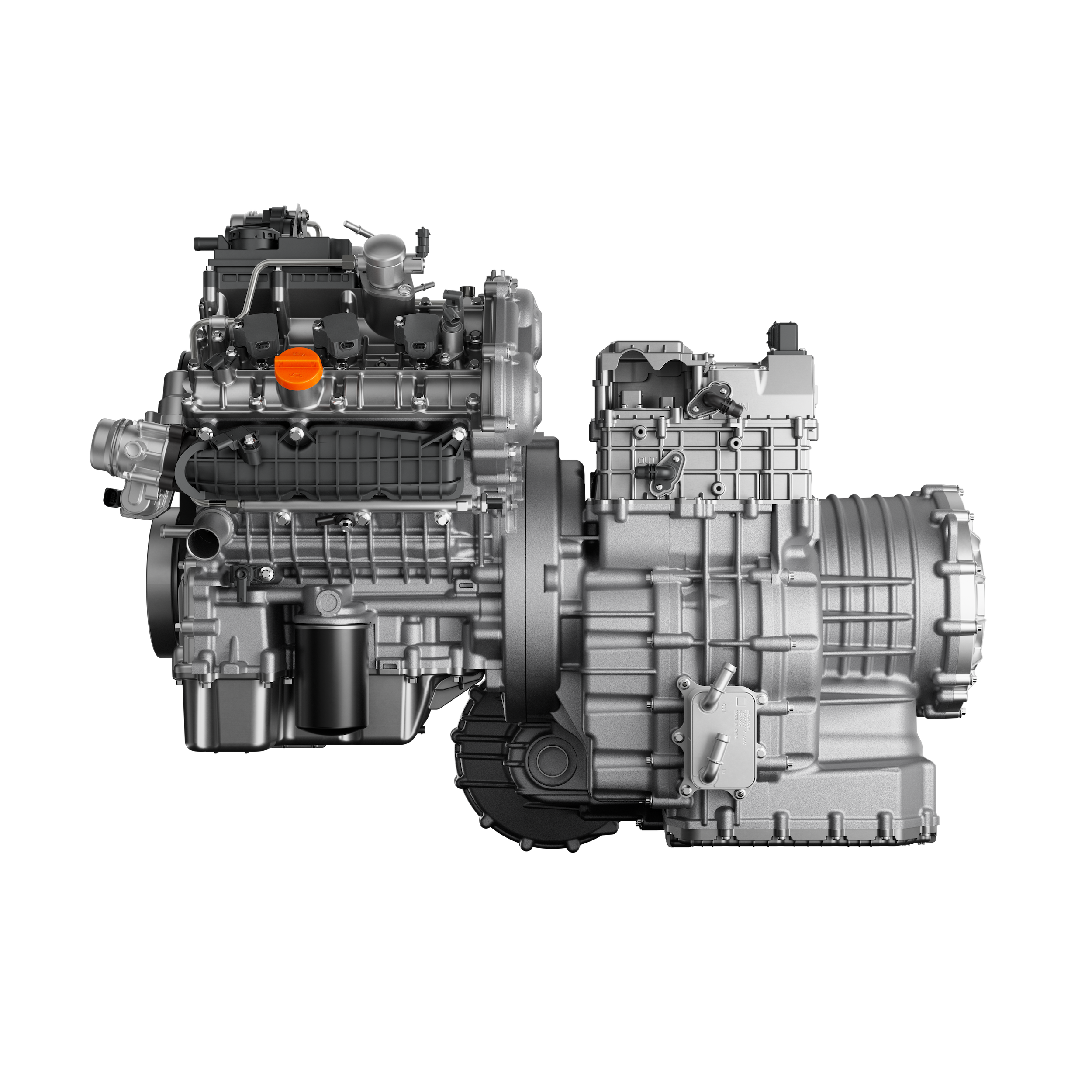


A joint venture most people have never heard of just dropped a twin-turbo V6 that could reshape the performance car landscape for half a dozen automakers. Horse Powertrain, the combustion engine company co-owned by Renault, Geely, and Saudi Aramco, unveiled its W30 engine at the 2026 Beijing Auto Show. It’s a 3.0-liter unit claiming up to 536 horsepower, 516 pound-feet of torque, and an 8,000-rpm redline.
Those are not typos. And the engine is only part of the story.
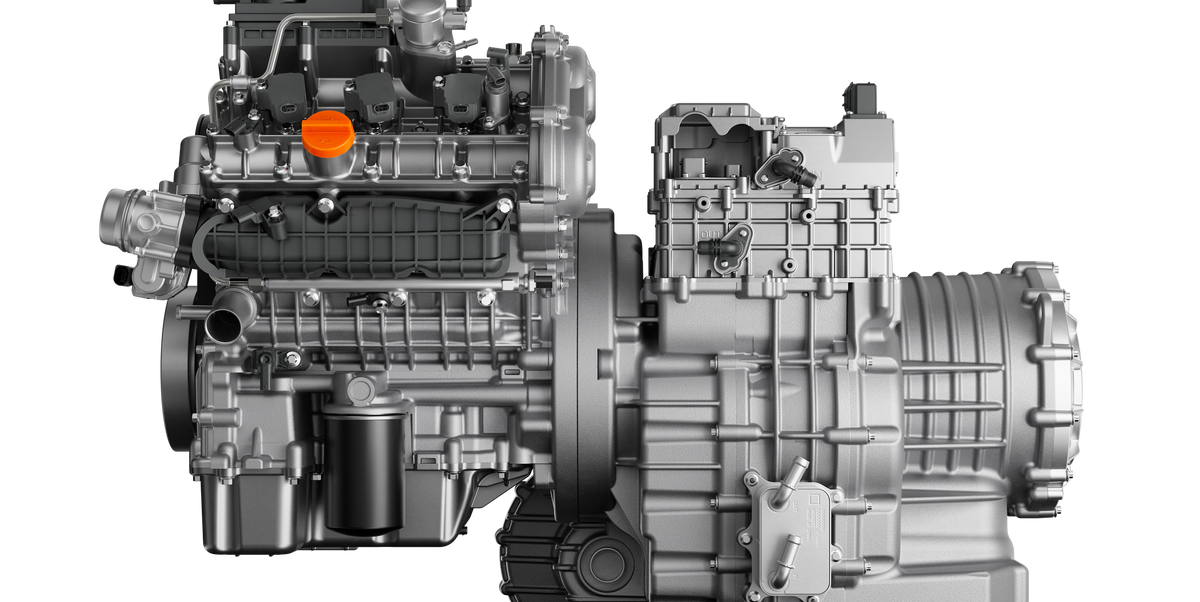
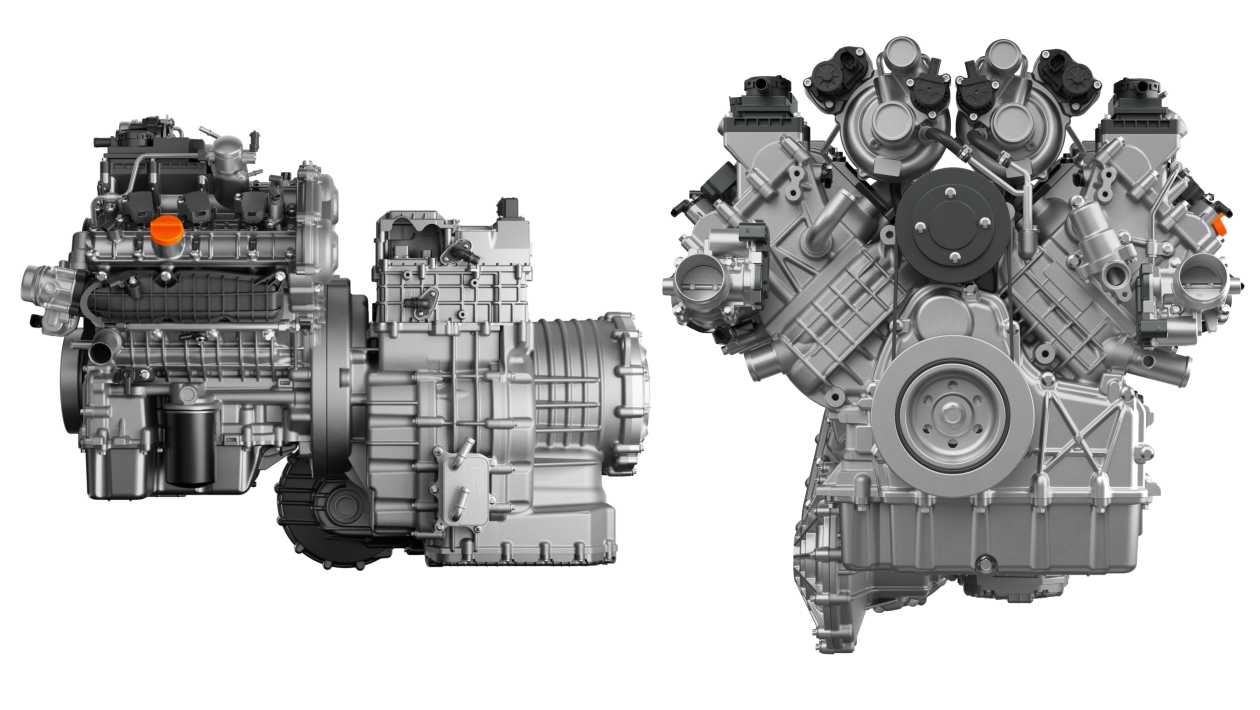
Horse is pairing the V6 with a new four-speed hybrid transmission and two electric motors. One motor sits at the crankshaft, contributing up to 402 horsepower while charging the battery. The second, an external unit, can deliver up to 603 horsepower for driving duties.
No combined system output has been disclosed, but the individual numbers are staggering.
The engine itself weighs just 353 pounds, which Horse claims is ten kilograms lighter than any production V6 currently on the market. Its 90-degree cylinder bank offset lowers the center of gravity, and the turbochargers are mounted directly to the cylinder heads inside the V, keeping the package compact. Integrated exhaust manifolds round out an architecture that screams modern performance engineering despite being, at its core, a combustion motor.
Here is where things get genuinely interesting. Horse says this powertrain will appear in production vehicles debuting in 2028. But it won’t say which ones.
Renault and Geely are the obvious parent brands. Trace the corporate tentacles, though, and the W30 could land under the hoods of Nissan, Mitsubishi, Volvo, Alpine, or Lotus vehicles. Horse already supplies turbocharged engines for the Caterham Seven.
Alpine CEO Philippe Kriefe has publicly stated that combustion power is back on the table for the brand’s halo cars. Nissan has signaled the same for a potential next-generation GT-R. A high-revving, lightweight, twin-turbo V6 designed for both transverse and longitudinal mounting, paired with a hybrid system capable of absurd combined output — that is a powertrain tailored for flagship sports cars, not crossovers.
The four-speed gearbox sounds anachronistic until you remember Renault already uses a similar ratio count in its E-Tech hybrid system, where a four-speed works the combustion side while a two-speed manages the electric motor. The architecture is proven, if unconventional by traditional standards.
Horse Powertrain was announced in 2022, and until now its portfolio consisted of three- and four-cylinder engines — workaday stuff for mass-market vehicles. The W30 represents a dramatic escalation in ambition. The company pulled engineering talent from both Renault and Geely to build it, and the Aramco backing ensures the funding isn’t going anywhere.
The timing is no accident. Across the industry, automakers that bet everything on battery-electric futures are quietly hedging. Hybrid systems are suddenly fashionable again. Combustion development, once considered a dead-end career, is back in demand.
Horse exists precisely because Renault and Geely recognized that ICE wasn’t dying — it was evolving.
Whether this V6 ends up in a GT-R, an Alpine supercar, or something nobody has predicted yet, the W30 announces that a company most enthusiasts couldn’t name six months ago is now building the kind of engine that commands attention. Five hundred thirty-six horsepower, eight thousand rpm, and a hybrid system on top of it. From a startup, arriving in two years.
The old guard should be paying attention.

Share this Story