
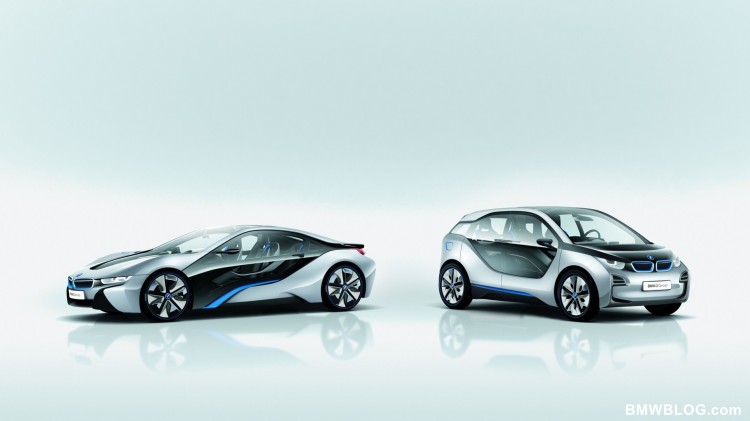


A pair of full-size BMW display models, fiberglass shells with no engines, no interiors, and no batteries, are back on Bring a Trailer. This time, they’re being sold separately.
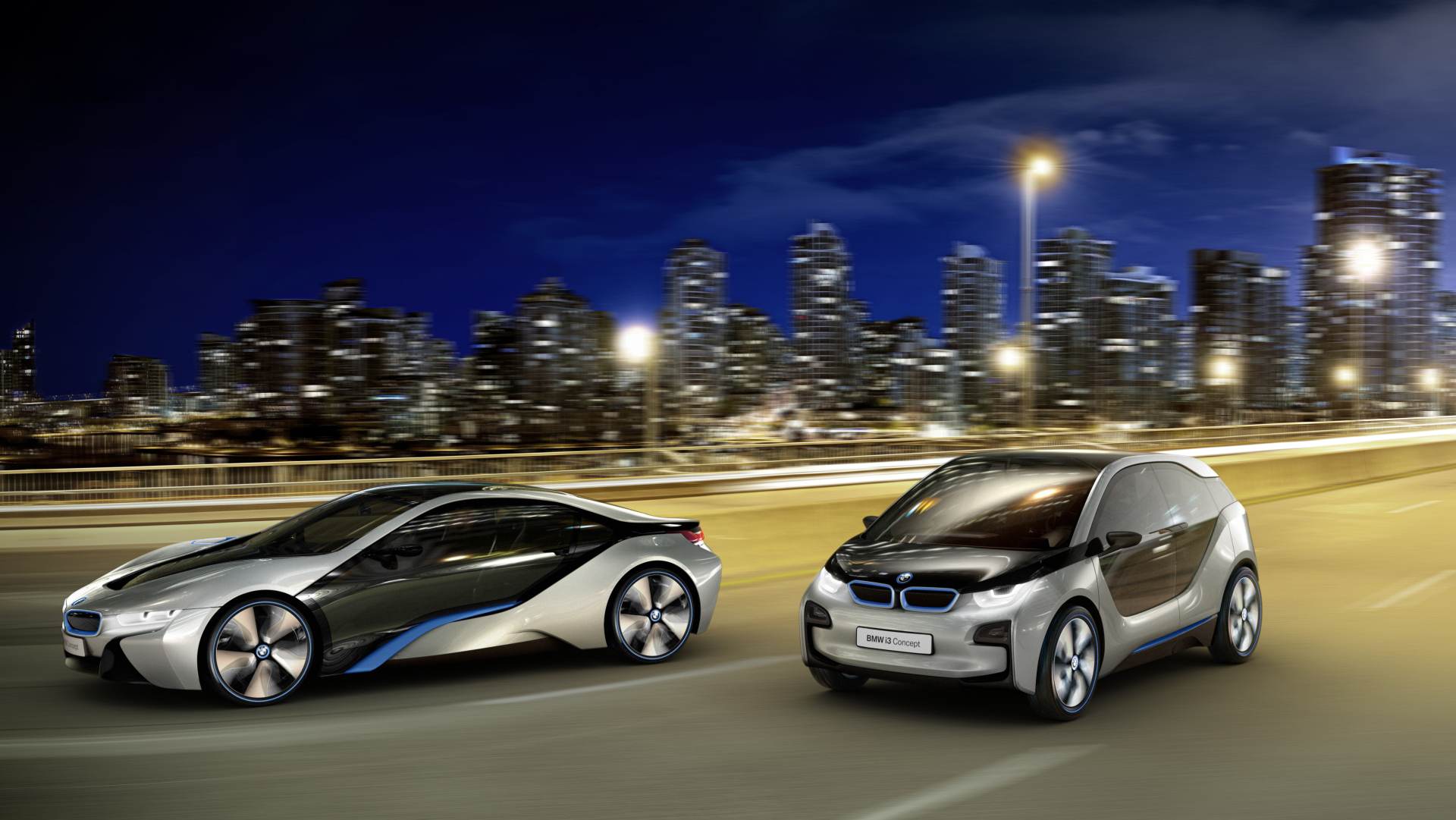
Both the i3 and i8 replicas were built by BMW for dealership promotional use. They sit on steel frames with swivel caster wheels, wrapped in Ionic Silver Metallic paint with Frozen Blue accents. They look like cars. They are not cars.
Last December, the pair sold together for $8,951. The DFW Car & Toy Museum, apparently thinning the herd, has split them up for individual no-reserve auctions ending August 20.
The details are equal parts fascinating and absurd. Both wear genuine BMW alloy wheels. The i3 rolls on 19-inch Bridgestones, with black panels behind the spokes mimicking brake components.
The i8 gets 20-inch Bridgestones and silver-painted calipers with cross-drilled rotors that have developed rust, because even a stationary BMW finds a way to need maintenance.
The i8 is the better-preserved specimen. Its LED headlight surrounds and taillights actually function via a 120-volt circuit, though the left taillight is reportedly out. The i3 has fared worse. Its lighting system is dead, the headlight lenses are fogged, and the left fog light and door handle are missing.
Apparently, years of dealership visitors couldn’t resist poking and prodding.
What makes these hollow props interesting has less to do with the fiberglass and more to do with what they represent. The production i3 and i8 were BMW’s opening salvo in electrification, and they were genuinely weird. The i3 debuted as a concept in 2011 and entered production in 2013 with a carbon-fiber-reinforced-plastic passenger cell, a rear-mounted electric motor, and an optional gasoline range extender.
More than 250,000 were built before production ended in 2022. That’s a strong run for a car that looked like nothing else in any BMW showroom, ever.
The i8 went the other direction. A turbocharged 1.5-liter three-cylinder drove the rear wheels while an electric motor handled the fronts. The plug-in hybrid made 357 horsepower, later bumped to 369, and it looked like a concept car that escaped the auto show stand. A Roadster followed the Coupe before the whole thing wrapped up in 2020.
Neither got a direct successor. BMW’s current EV lineup is competent but far more conservative. The iX, i4, i5, and i7 all look like the combustion cars they sit alongside. The original i division promised something deliberately alien, and these dealership props were the physical embodiment of that pitch.
Now they’re curiosities. Display pieces for a display piece era. Someone will pay real money for a car-shaped object that cannot move, cannot be driven, and cannot even keep its fog lights attached.
The split auction format raises a natural question: will they fetch more apart than together? The $8,951 combined sale last year wasn’t exactly eye-watering. But nostalgia has a way of inflating prices, and the i sub-brand’s original identity feels further away with every new BMW electric sedan that looks like a 3 Series with a closed grille.
Bidding is live. Both auctions close Thursday morning Pacific time, the i8 at 10:27 and the i3 three minutes later.

Share this Story